
Meru, Samburu, and Ol Pejeta Safari
Rhino conservation at Ol Pejeta, river and dry-country wildlife in Samburu, then Meru’s palms and wide, often quiet roads. This is a real eleven-day journey, not three park names squeezed onto a map.
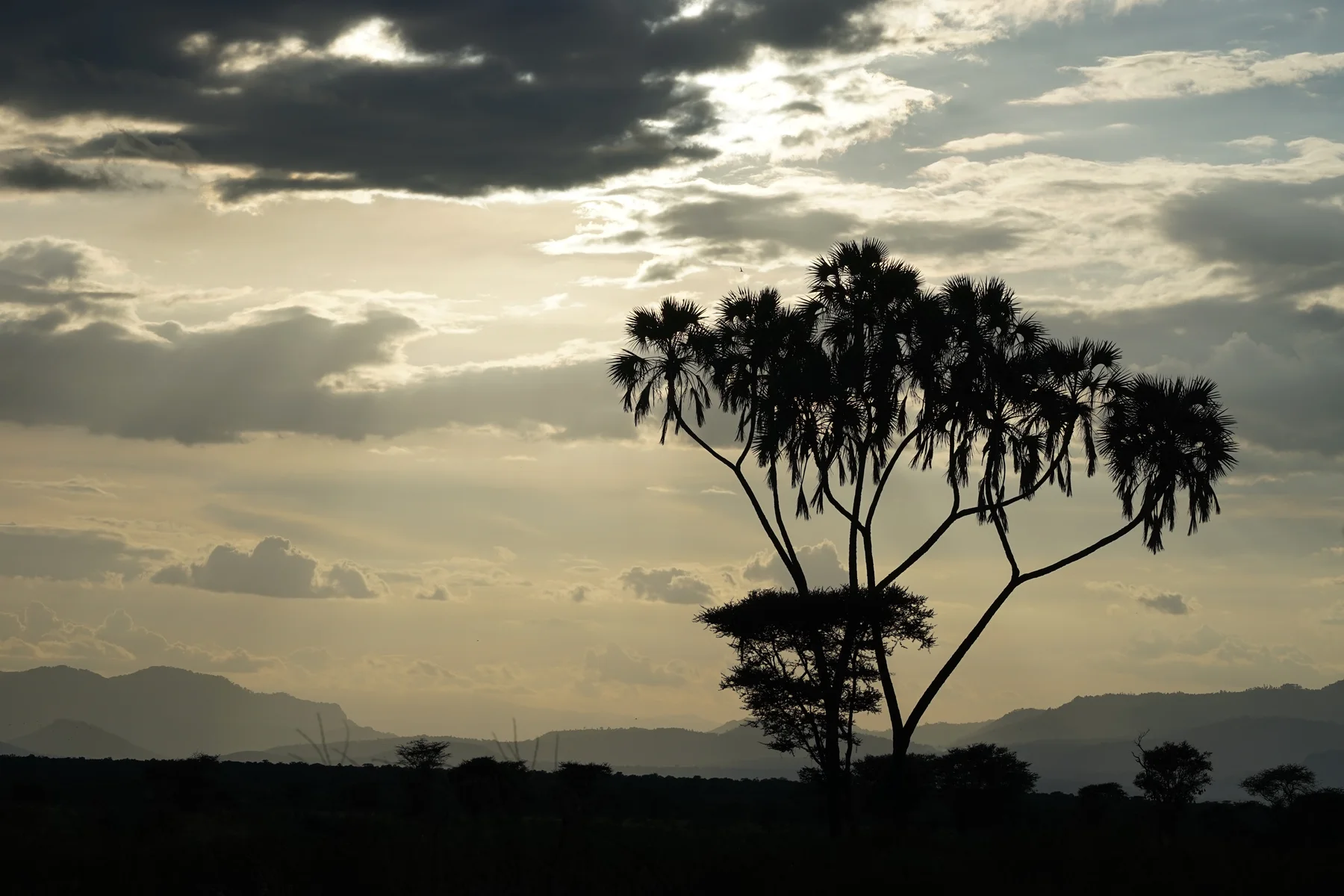
By the time you reach Meru, the images from the first days already feel far away. Ol Pejeta’s rhino country sits west of Mount Kenya. Samburu draws the eye along the Ewaso Nyiro and into dry thorn country. Meru opens out into palms, rivers and the story of Elsa the lioness. The three places reward travellers who want Kenya beyond the familiar Mara circuit.
They are not interchangeable and they are not next door to one another. Ol Pejeta is a conservancy, Samburu a county-managed reserve, and Meru a KWS national park. Each has a different fee system, wildlife emphasis and way of spending the day. Treating all three as one-night stops would spend too much of the holiday in transit. This itinerary uses three nights in each wildlife area, with a Nairobi arrival night and a proper departure day.
Why put these three together?
Ol Pejeta is the conservation-led start. Its black and white rhinos, Sweetwaters Chimpanzee Sanctuary and booked specialist experiences bring you close to the work that protects wildlife. The chimps are rescued animals in a managed sanctuary, not a wild Kenyan species. The northern white rhino encounter is separate from a normal drive and subject to booking. Read our Ol Pejeta Conservancy guide if rhinos are the reason you are coming.
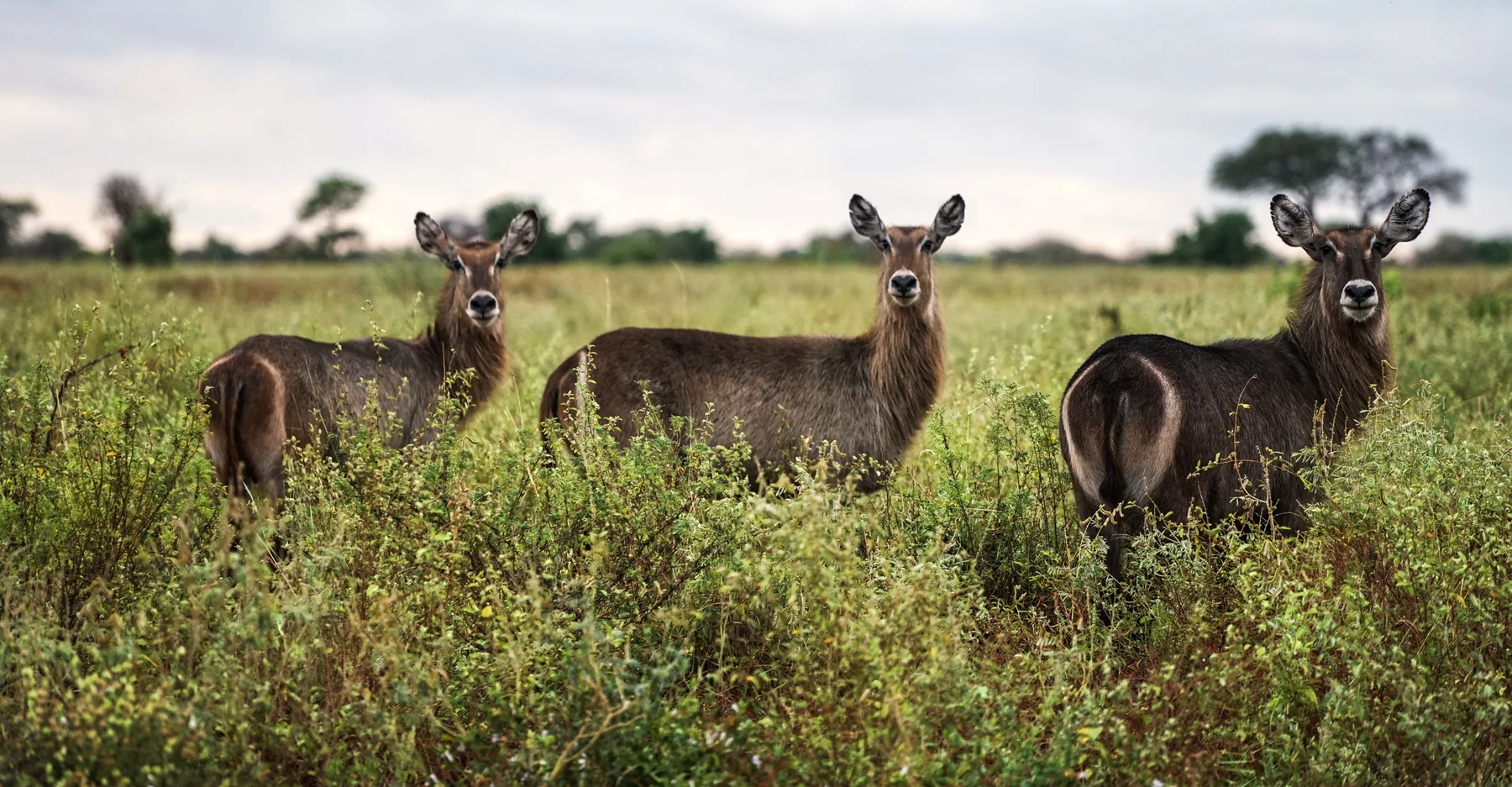
Farther north, Samburu changes the species list. The Samburu County Government identifies Grevy’s zebra, reticulated giraffe, gerenuk, beisa oryx and Somali ostrich as the northern set often called the Samburu Five. Elephants use the river corridor, and cats may be found, but none is a scheduled appointment. The dry-country colours and the way animals move around water are the point.
Meru brings a different scale. KWS describes the park’s rhino sanctuary, birdlife and Born Free connection, as well as its access by road and air. A river or palm grove can replace Samburu’s thorn scrub within a single drive. It is worth three nights so the final destination does not become merely the long road back to Nairobi.
| Area | The character of the stay | Strongest reason to go | Do not confuse it with |
|---|---|---|---|
| Ol Pejeta Conservancy | Working Laikipia conservation landscape, game drives and bookable education. | Rhinos, sanctuary story and structured conservation encounters. | A national park with one all-inclusive gate fee. |
| Samburu National Reserve | Ewaso Nyiro river, dry country and northern species. | Wildlife and habitats you will not get from a standard Mara circuit. | Buffalo Springs across the river or neighbouring Kalama conservancy. |
| Meru National Park | Large, green-in-parts river country with palms, rhino sanctuary and history. | Space, contrast and slower exploration. | A quick roadside stop on the way south. |
An eleven-day route that accounts for every night
The road order below starts with Ol Pejeta, then goes to Samburu, then bends east and south to Meru. It avoids doubling back to Nairobi between parks. The drive times should be set using the chosen lodge’s gate and current roads, not a town-to-town estimate. In wet conditions, local roads can slow a transfer considerably. Flights can change the best order if the departure is from Meru.
| Day | What the day holds | Night |
|---|---|---|
| 1 | Arrive in Nairobi, recover from the international journey and meet the safari guide. | Nairobi |
| 2 | Private road transfer through central Kenya to Ol Pejeta, with an afternoon drive only if arrival leaves time. | Ol Pejeta |
| 3 | Morning rhino-focused drive, then the chimpanzee sanctuary or another prebooked experience. | Ol Pejeta |
| 4 | Keep a full wildlife day open, or book one conservation experience and give the rest of the time to the guide. | Ol Pejeta |
| 5 | Travel north via Isiolo and Archer’s Post towards the named Samburu gate or lodge. A late drive depends on arrival. | Samburu area |
| 6 | Explore the Ewaso Nyiro corridor and dry-country habitats with an early start and a midday pause. | Samburu area |
| 7 | Another full Samburu day for a different sector, birds, elephants or an appropriate private-land activity. | Samburu area |
| 8 | Travel south and east towards Meru’s correct gate. This is a road day, not a promised full game-drive day. | Meru |
| 9 | Explore Meru’s riverine and open habitats, perhaps with a visit to Elsa’s story locations. | Meru |
| 10 | Another unhurried park day, with rhino sanctuary access or birding subject to the guide and park conditions. | Meru |
| 11 | Road return to Nairobi or a flight from an available Meru airstrip. A same-day long-haul connection must allow a safe margin. | Departure or onward stay |
This is ten nights: one in Nairobi and three in each wildlife area. If you have fewer days, drop a destination rather than cut all three to two nights. If you have more, a Mount Kenya highland stay can break the first transfer or a Lewa add-on can deepen the conservation comparison. We can tailor the route to your dates and comfort level.
Ol Pejeta: give the rhinos more than an afternoon
Ol Pejeta can feel surprisingly varied for an area commonly reduced to a single rhino photograph. Open grassland, woodland and the Ewaso Nyiro create different game-drive moods. The conservancy’s experience programme includes opportunities linked to the last two northern white rhinos, but these require separate booking and are not the same as spotting a wild rhino from a vehicle. The visit should explain the conservation work without turning endangered animals into a guaranteed close encounter.
Sweetwaters Chimpanzee Sanctuary provides lifelong care for rescued chimpanzees. Visitors learn their histories within a managed sanctuary setting. If this interests children, explain beforehand that the animals were rescued and may choose to stay away from the viewing area. If you want a quieter wildlife day, omit a booked experience and spend it on a long morning drive, a relaxed lunch and a later outing.
Stay inside Ol Pejeta if the budget allows and the conservancy days are important. Repeated entry from an outside hotel can introduce extra cost and travel time. Sweetwaters Serena Camp is an established larger tented option within the conservancy. Kicheche Laikipia has just six tents and offers a smaller, guide-led stay. Our Ol Pejeta accommodation guide compares the positions rather than only the room photographs.

Samburu: follow the river, not just a checklist
The Ewaso Nyiro shapes the reserve. Doum palms and green riverine strips stand against stony, sunlit country. Wildlife may be concentrated near water, but the guide still has to read the day. A Grevy’s zebra has narrow stripes and large ears; the reticulated giraffe has a crisp polygonal pattern. Gerenuk may stand on its hind legs to browse. These are distinctive animals, but the experience is richer than ticking each name off once.
Accommodation location changes your drive. Elephant Bedroom Camp sits along the river inside Samburu National Reserve. Other properties may be across the river in Buffalo Springs or in community conservancies such as Kalama. Those are not merely different hotel addresses. Reserve or conservancy entry, bridge crossings and permitted activities can differ. The Samburu County site names gates including Archer’s Gate, Kalama Gate and Waso Bridge Gate, making a precise lodge map useful.
Take a midday break. The heat and bright light can be tiring, especially for families. A private vehicle lets an early drive end when it should, then returns when the river becomes active again. If you want a visit with Samburu hosts, agree its purpose, consent for photographs and payment before the day. A community visit should not be added without the people involved having a voice. See our Samburu National Reserve guide for the reserve and neighbouring area.

Meru: the destination that should not be hurried
The transfer from Samburu to Meru brings a real change. KWS describes Meru’s approach via Murera and other gates, plus airstrips including Mughwongo near Elsa’s Kopje. The gate you use depends on the exact lodge and road. A line on a map may cut through areas that are not suitable public transfer routes. We plan the road with local conditions and a daylight arrival in mind.
Meru’s park story includes Elsa the lioness, made famous by Born Free, but it is not a theme park built around one animal. There are river crossings, doum palms, birding, open plains and a managed rhino sanctuary. Drive with curiosity and allow the final full day to follow what has actually been seen. An elephant under palms or a bird along a watercourse may become the memory you could not have predicted.
Elsa’s Kopje is a well-known lodge within the park, with views from the rock and a strong connection to the Born Free history. Other camps near the park’s gates may be more practical for a different budget. Confirm whether a lodge is inside the park or outside its boundary, and what the daily fee arrangement means for repeated entry. Our Meru National Park guide covers gates, habitats and lodging in detail.
Where should you stay on this route?
A three-stop circuit can be comfortable if each base serves the actual daily area. For Ol Pejeta, choose a conservancy property if you want the earliest drives and easy access to prebooked experiences. For Samburu, decide whether the river and reserve are the focus or a community-conservancy camp is the purpose of the stay. For Meru, match the lodge to the gate, room style and departure route. A lower nightly price can be swallowed by repeated entry fees and long gate drives.
| Area and example | Position and style | Who it often suits | Confirm first |
|---|---|---|---|
| Sweetwaters Serena Camp, Ol Pejeta | Large tented camp inside the conservancy. | Families or couples wanting facilities and straightforward access. | Exact tent, guiding basis and separate activity charges. |
| Kicheche Laikipia, Ol Pejeta | Six-tent camp within the conservancy. | Travellers prioritising quiet and safari atmosphere. | Vehicle sharing, child rules and how far the camp is from booked activities. |
| Elephant Bedroom Camp, Samburu | Riverside tented camp inside the reserve. | Guests wanting a small-camp feel and river-focused drives. | Room type, private-vehicle option and reserve fees. |
| Saruni Samburu | Kalama Conservancy beyond the main reserve. | Guests seeking a rocky-ridge lodge and private-land activities. | Reserve-entry arrangements, hilltop access and transfer time. |
| Elsa’s Kopje, Meru | Rocky viewpoint base inside Meru National Park. | Couples and families wanting a distinctive Meru stay. | Room category, guide package and airstrip or road departure. |
These are examples, not a promise that only these properties can be arranged. We can select different camps by dates, accessibility, budget or the kind of guiding the group wants. If mobility is a concern, tell us before selecting a hillside lodge. If children are travelling, confirm room configuration, pool rules and the age limits for any specialist activity.
What travellers noticed after staying in the north
One guest’s detailed independent lodge report called Saruni Samburu This place is magical
, while warning that the hilltop position is not ideal for every traveller with mobility difficulties. Another visitor replying to that report found Meru’s game drives more challenging, but also more rewarding when you found something!
These are individual experiences, not a promise that wildlife or lodge conditions will match them. They do show why this route should balance access, comfort and the pleasure of looking longer.
The road and air choices that shape the trip
A private road vehicle is a strong way to do this loop. You keep the same guide and have room for luggage, food stops and changes to the day. But it is not a short-road holiday. Samburu to Meru and Meru to Nairobi take meaningful time, even when the line looks neat on a map. A vehicle built for both highway transfer and wildlife viewing matters. So do breaks and a lodge check-in before dark.
Airstrips serve parts of the wider circuit, but do not assume there is a convenient direct scheduled flight between each pair. A multi-stop air plan can route through Nairobi or require a charter. In Meru, KWS lists Kinna, Mulika and Mughwongo airstrips; the one near the chosen lodge may not have the service you want on your dates. For the final day, a road return can be sensible if the international departure is later or after a Nairobi night. A flight may save energy but needs a safe airport connection and baggage check.
What a complete quote should include
Each area charges differently. Ol Pejeta conservancy access and specialist experiences are not Meru park entry. Samburu reserve entry does not necessarily cover Buffalo Springs across the river. A small camp may bundle guiding and meals, while a larger lodge offers a separate game package. Compare the whole stay, not a room price copied beside three place names.
| Cost element | Why it changes here | What to see in the trip total |
|---|---|---|
| Accommodation | Three different locations, room types and seasonal terms. | Named property, exact room, board basis and nine wildlife-area nights. |
| Conservation and entry | Conservancy, reserve and national park use different systems. | Ol Pejeta, Samburu and Meru fees, plus Buffalo Springs if used. |
| Special experiences | Northern white rhino, sanctuary, night drive or guided walk may need booking. | Which are included, separately charged and age-limited. |
| Vehicle and guide | Long transfers and private wildlife drives use the same or different vehicles. | 4×4 type, private/shared arrangement and guide continuity. |
| Air and transfer | A light-aircraft leg may save time but needs ground pickups. | Actual route, airstrip, baggage allowance and both transfers. |
We will not promise a price without dates, occupancy and property availability. We can, however, make every component understandable before you commit. Our Kenya safari cost guide explains the broader fee picture, while Ol Pejeta fees and activities deserves its own closer look.
Ways to make the journey yours
If rhinos are your main interest, give Ol Pejeta a fourth night and consider a specialist conservation day. If you are drawn to northern birdlife, keep Samburu for longer and ask for a guide who enjoys birds rather than only cats. If Meru is the emotional centre because of Born Free or the appeal of quiet country, start there and build the road route back towards Ol Pejeta. A family may need a pool and shorter afternoon drives; a photographer may want a private vehicle and fewer camp changes.
What should not change is the truth of the geography. This is a three-area northern Kenya safari with real distances, separate access rules and a beautiful progression of landscape. Each stop needs a reason, a comfortable base and enough time to become more than a stamp in the passport.
Meru, Samburu and Ol Pejeta questions
Can Meru, Samburu and Ol Pejeta fit in one trip?
Yes. They form a viable northern and eastern Kenya road circuit, but they are distinct protected areas with separate entry rules and enough distance between them to warrant genuine transfer days.
How many nights should each area have?
Three nights in each gives two full days per area. A shorter trip can work with two nights in one stop, but one-night stays reduce the journey to packing and road time.
What is the best order?
A practical road order from Nairobi is Ol Pejeta, Samburu, then Meru. The reverse can also work. The right order depends on the final flight or road return and the chosen lodge locations.
Is Ol Pejeta a national park?
No. It is a conservancy with its own access and experience rules. Meru is a Kenya Wildlife Service national park, while Samburu is a county-managed national reserve.
Can we meet the northern white rhinos?
Ol Pejeta offers a separately booked educational encounter with Najin and Fatu when available. It should not be represented as a guaranteed part of a standard game drive.
Are the chimpanzees wild in Ol Pejeta?
No. Sweetwaters is a managed sanctuary for rescued chimpanzees. Chimpanzees are not indigenous wild animals in Kenya.
What wildlife is Samburu known for?
The county highlights Grevy’s zebra, reticulated giraffe, gerenuk, beisa oryx and Somali ostrich, alongside elephants, birds and possible predators. No species sighting is guaranteed.
What is special about Meru National Park?
Meru combines riverine woodland, palms, open country, a rhino sanctuary and the Born Free history of Elsa the lioness. Its wide roads and lower visitor volume make it feel different from Samburu.
Can we fly between the three areas?
Air access exists to some of the areas, but scheduled point-to-point connections are not a safe assumption. A combination of private road transfers and one flight may be more coherent.
Should we include Buffalo Springs too?
Possibly, if the Samburu-area base and permit arrangement suit it. Buffalo Springs lies across the Ewaso Nyiro in Isiolo County and may need a separate entry ticket.
Is this trip suitable for children?
It can be, with a private vehicle, three-night bases, pool time and child-appropriate lodge rules. The road days and heat around Samburu deserve honest discussion before booking.
Do the lodges include all conservation fees?
Not necessarily. Meru park entry, Samburu reserve entry, Ol Pejeta entry, booked experiences and any extra Buffalo Springs access should appear clearly in the trip total.
Can we see rhinos in both Ol Pejeta and Meru?
Both areas have rhino conservation, but encounters depend on location, access and animal movement. Do not treat a sanctuary mention as a guaranteed close sighting.
How should the trip end?
A road return to Nairobi from Meru is possible but substantial. A flight from a suitable Meru airstrip may work on the travel date; confirm schedule, baggage and onward airport connection first.
Explore each destination
Tell us how you like to travel
Share dates, group size, preferred lodges, wildlife interests and whether a private road vehicle or a flight at the end sounds better.