
Mombasa Diving and Snorkelling Guide
Plan snorkelling, a glass-bottom boat, first scuba or certified diving around real sea conditions, responsible operators and the people in your group.
- Choose the experience before choosing the boat
- Know what Mombasa Marine National Park protects
- Understand the north-coast setting
- Choose the correct KWS access gate
- Pick snorkelling when simplicity matters
- Choose a glass-bottom boat for a mixed group
- Treat discover scuba as a lesson, not a thrill ride
- Plan certified dives around the diver, not the brochure
- Verify the dive centre before comparing price
- Use named operators as examples, not guarantees
- Read wind, waves and tide separately
- Do not book visibility as if it were a room feature
- Use seasons as guidance, not a promise
- Expect warm water but pack for personal comfort
- Choose the time of day around the sea
- Fit the mask before leaving the beach
- Ask for fins that help rather than hurt
- Give non-swimmers a real choice
- Make children’s safety specific
- Plan for older travellers without making assumptions
- Check accessibility from vehicle to water
- Take seasickness seriously before boarding
- Respect medical screening for scuba
- Equalise early and never push through pain
- Keep flying and altitude plans separate from dive time
- Insure the activity you are actually doing
- Ask where emergency oxygen is kept
- Inspect the boat with your own eyes
- Learn the entry and exit before the boat moves
- Keep the group small enough to supervise
- Understand what wildlife may appear
- Let the guide point, not touch
- Never feed fish, even if an old review celebrates it
- Keep hands, fins and feet off coral
- Use sunscreen without turning it into the whole solution
- Bring water without bringing disposable plastic into the park
- Protect prescription glasses and solve vision early
- Treat cameras as secondary to control
- Bring only equipment you can maintain
- Check cylinders and weights without pretending to be a technician
- Ask about nitrox only if it serves the plan
- Give freediving its own safety plan
- Separate reef walking from snorkelling
- Avoid coral cuts rather than planning to treat them
- Do not collect shells, coral or living souvenirs
- Understand the separate parts of the price
- Verify current KWS fees at the time of booking
- Price a private boat for the right reason
- Decide whether hotel booking is worth it
- Handle beach selling firmly and respectfully
- Get every promise onto one written booking
- Refuse vague substitute activities
- Use reviews to find questions, not certainty
- Read praise and disappointment together
- Compare Mombasa with Diani honestly
- Compare Mombasa with Malindi and Watamu
- Compare Mombasa with Kisite Mpunguti
- Choose a hotel by launch logistics, not only the beach view
- Connect a safari to the sea without exhausting everyone
- Plan a simple half-day snorkelling itinerary
- Plan a two-dive day for certified divers
- Plan a first-scuba morning without rushing it
- Give a non-swimmer a satisfying marine morning
- Build a family decision tree
- Build a honeymoon marine day around privacy
- Keep a rainy-day alternative ready
- Pack a dry change for the return
- Leave jewellery and loose valuables behind
- Know when to stop the activity
- Ask the guide these ten questions
- Compare two proposals on the complete experience
- Complete the booking brief
- Run the final evening check
- Use the final morning check to protect the day
- Make the marine day part of Mombasa, not the whole story
- Frequently asked questions about diving and snorkelling in Mombasa
- Check local water conditions without guessing from colour
- Plan the day you will actually enjoy
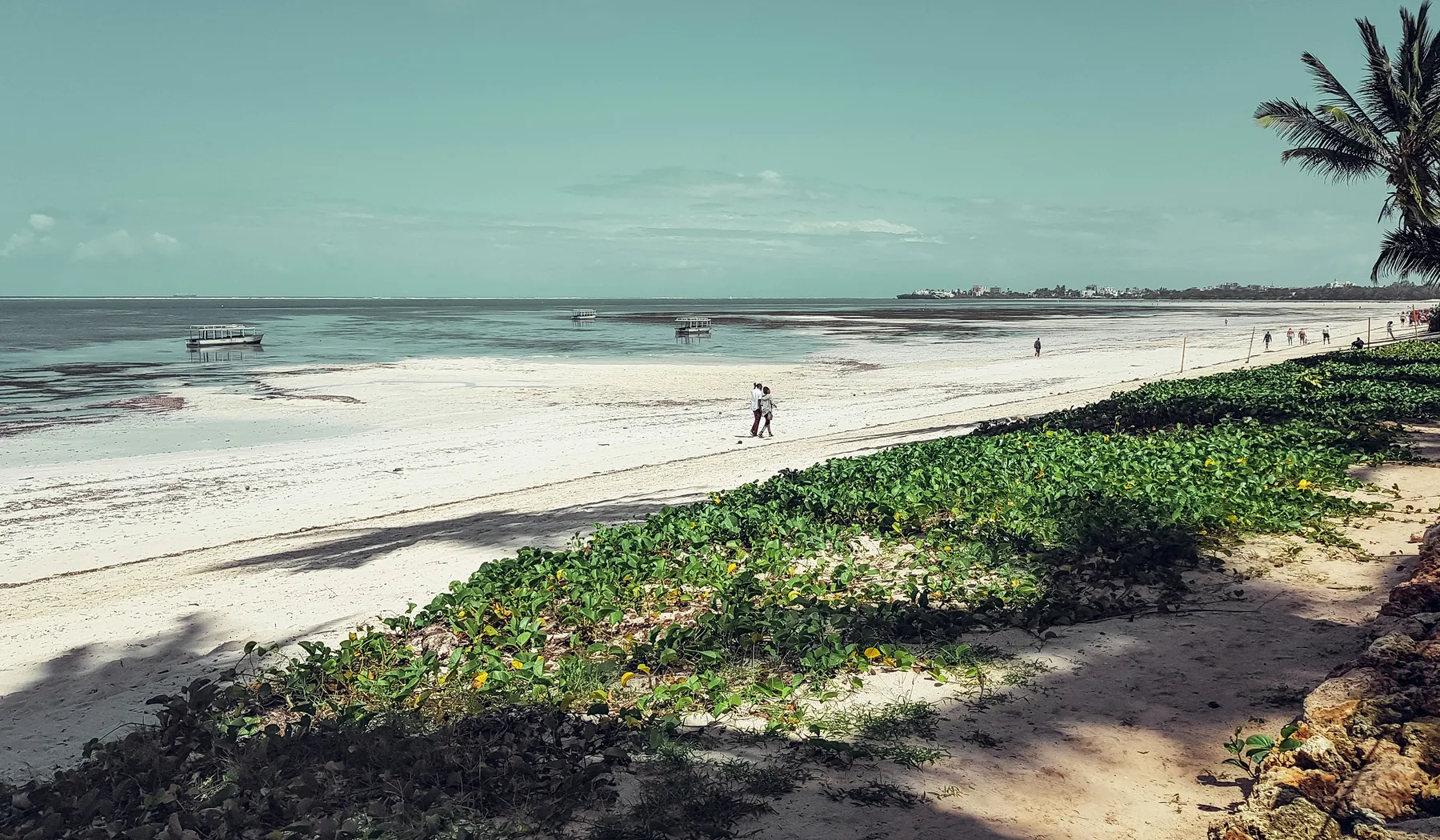
The first surprise is how close the reef feels to the city. One moment you are passing hotels and beach roads, and the next the boat is moving across pale shallows towards a darker line of coral. Mombasa is not a single dive site or one guaranteed underwater show. It is a protected marine landscape whose mood changes with wind, tide, rain, launch point and the experience of the crew.
A useful Mombasa diving and snorkelling guide must therefore do more than name fish and show blue-water photographs. It should help you recognise a well-run trip, understand the limits of a forecast and choose an experience that still feels worthwhile when the sea is less than perfect.
This Mombasa diving and snorkelling guide helps you choose between a simple reef snorkel, a glass-bottom boat, a first scuba experience and a certified dive. It also explains the questions that matter before you pay: who is supervising, what the sea is doing, which fees are separate, where the boat launches, and what happens if conditions are poor.
Choose the experience before choosing the boat
Start with what each person genuinely wants. A family does not need to force every traveller into the water. A certified diver should not assume that a general glass-bottom excursion includes a proper two-tank dive. A nervous swimmer may have a much happier morning with a flotation aid and an attentive guide than on a crowded boat built around confident snorkellers.
| Experience | Best for | Training | Time in water | Main check |
|---|---|---|---|---|
| Glass-bottom boat | Non-swimmers and mixed groups | None | Optional | Clarity of viewing panel and route |
| Guided snorkelling | Comfortable swimmers and beginners | Briefing | Usually one or more short sessions | In-water guide and flotation |
| Discover scuba | Healthy first-timers | Theory and confined-water skills | Controlled introductory dive | Instructor, medical screen and depth |
| Certified diving | Qualified divers | Certification and recent skills | Site-dependent | Centre, guide ratio and emergency plan |
| Private mixed trip | Families with different confidence | Activity-specific | Flexible | Boat, timing and supervision for each person |
Know what Mombasa Marine National Park protects
The Kenya Wildlife Service park page describes a marine park core of about 10 square kilometres within a much larger reserve of about 200 square kilometres. It was gazetted in 1986. Coral reef, seagrass, open water, beaches and tidal areas form one connected habitat.
| Protected area term | Practical meaning for a visitor |
|---|---|
| Marine national park | More tightly protected core where conservation rules shape use |
| Marine reserve | Wider managed area around the core |
| Reef | Living structure that must not be stood on, touched or broken |
| Seagrass | Important shallow habitat, not an empty patch of sea |
| Tidal sandbar | Temporary exposed area that changes as water returns |
Treat the whole trip as a wildlife visit, not a swimming pool with fish added.
Understand the north-coast setting
Mombasa Marine National Park lies off the north-coast hotel belt. Nyali, Bamburi, Shanzu and the Serena end are useful names, but they are not interchangeable launch points. The road transfer, beach access and boat route depend on where you stay and which operator you use.
| Base | What it can change | Ask before booking |
|---|---|---|
| Nyali | Shorter transfer to some southern launch points | Exact gate and beach meeting point |
| Bamburi | Convenient for several hotel-based water-sports desks | Walk from room to boat and departure time |
| Shanzu | Northern position and different transfer pattern | Whether pickup or beach departure is included |
| Serena area | Access to a named KWS gate | Which operator uses it and where fees are paid |
| Mombasa Island | Road transfer across to north coast | Pickup time with traffic allowance |
Use the wider Mombasa guide to place the marine day inside a city and coast stay.
Choose the correct KWS access gate
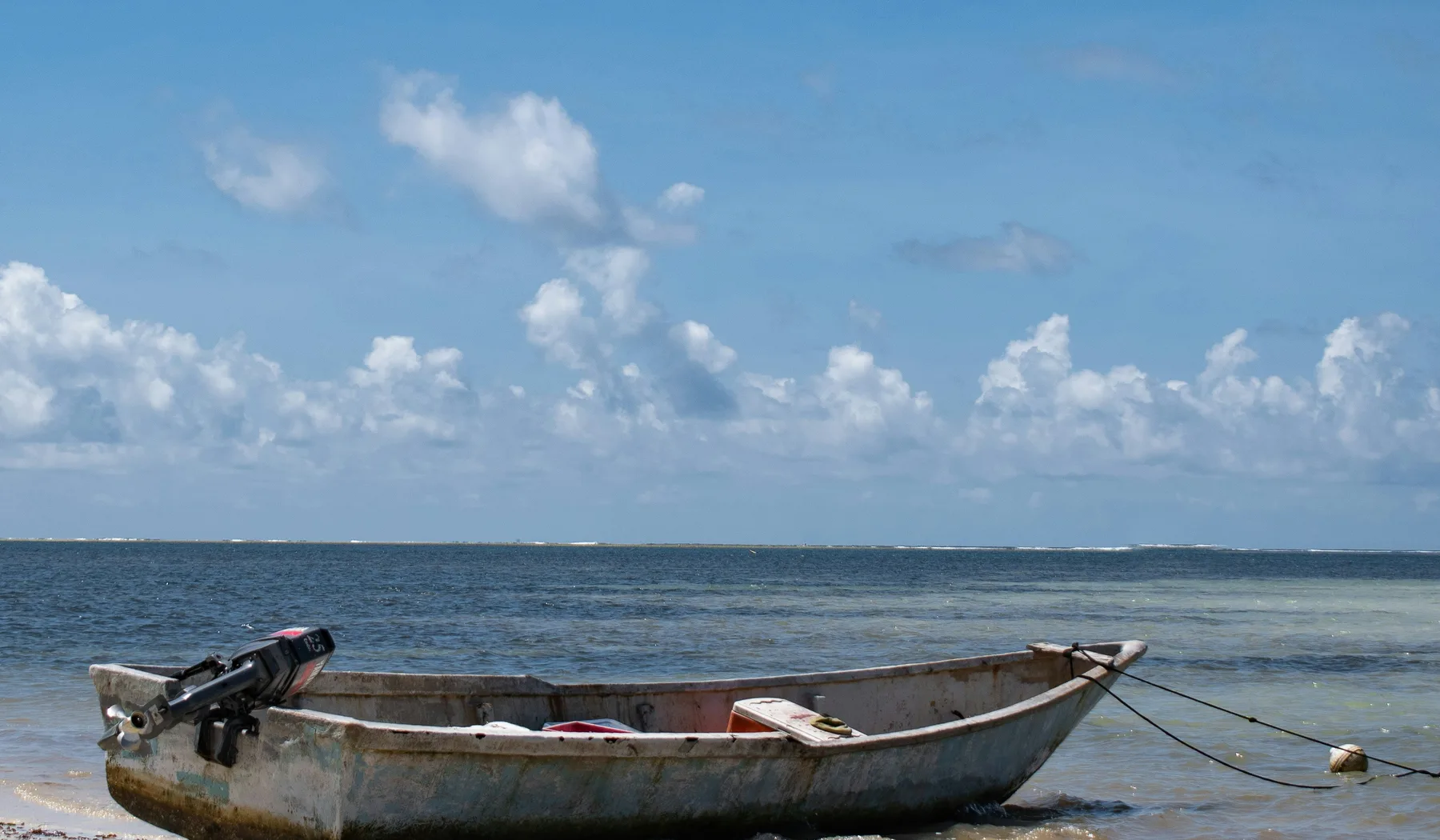
KWS currently names Serena Gate, Severin Gate, Travellers Gate, Nyali Gate at marine park headquarters and Voyager Gate as boat-access points. The useful question is not simply “Does the trip go to the park?” It is “Where do we meet, who handles entry, and where does the boat actually leave?”
| Gate detail | Put in writing |
|---|---|
| Name | Exact KWS gate or hotel departure point |
| Meeting point | Pin, landmark and contact person |
| Time | Hotel pickup, check-in and boat departure |
| Entry | Who pays and what proof is issued |
| Return | Same beach, different beach or vehicle pickup |
Pick snorkelling when simplicity matters
Snorkelling removes tanks and heavy equipment, but it still demands a calm briefing and a sensible sea. The best version is not the longest swim. It is the session in which the mask fits, breathing settles, the guide keeps the group together and nobody has to kick coral to stay afloat.
| Snorkelling strength | Limitation to understand |
|---|---|
| Quick to learn | Mask breathing can feel strange at first |
| Light equipment | Poor fit can ruin the session |
| Easy to share with family | Confidence levels may differ widely |
| Good surface view in clear water | Waves and glare can reduce comfort |
| Can be combined with a boat trip | Boat quality still matters |
Choose a glass-bottom boat for a mixed group
A glass panel gives non-swimmers a way to look down without entering the sea. It is not a cinema screen. The view depends on water clarity, sun angle, the cleanliness of the panel, the boat’s position and how many people crowd around it.
| Glass-bottom question | Why it matters |
|---|---|
| How large is the viewing panel? | A small panel creates crowding |
| Is there shade? | Midday sun can be intense |
| Are seats fixed and stable? | Useful for older travellers and children |
| Are life jackets fitted before departure? | Basic boat safety |
| Is snorkelling optional? | Mixed groups keep their choices |
| What happens if visibility is poor? | Expectations and cancellation terms |
One traveller called their view from the boat good, while another described a different outing as “wasted time and money.” Both comments appear on the Mombasa Marine National Park review page. The boat, timing and conditions matter.
Treat discover scuba as a lesson, not a thrill ride
An introductory scuba experience is for a first controlled look underwater. It should include a medical questionnaire, clear theory, equipment fitting, confined-water skills and close instructor supervision. If the conversation begins with depth and photographs before health and skills, pause.
| Introductory stage | What should happen |
|---|---|
| Medical screen | Honest answers and referral when required |
| Briefing | Breathing, pressure, signals and buoyancy |
| Equipment fit | Mask, fins, exposure protection and buoyancy device |
| Confined-water practice | Regulator recovery, mask skill and comfort check |
| Open-water portion | Controlled route within programme limits |
| Debrief | Questions, log and next training option |
Plan certified dives around the diver, not the brochure
Certification opens more choices, but recent experience still matters. A diver who qualified years ago and has not been underwater since may need a refresher. A newly qualified diver may want a gentle site and a small group. An experienced diver may care more about site selection, current, wreck protocol and whether the centre can support nitrox.
| Diver detail | Share with the centre |
|---|---|
| Agency and level | Card or digital proof |
| Last dive | Month, year and conditions |
| Total logged dives | Honest approximate number |
| Deepest recent dive | Helps site matching |
| Equipment familiarity | Rental or own kit |
| Medical changes | Current health, medication and pregnancy status |
| Goal | Reef, photography, refresher or training |
Verify the dive centre before comparing price
PADI’s Mombasa dive-centre directory is one place to check current listings. A listing is a starting point, not a substitute for a conversation. Ask who will actually lead your day, which boat is operating and what emergency equipment will be carried.
| Centre check | Evidence to request |
|---|---|
| Current training affiliation | Searchable centre listing |
| Instructor or divemaster | Name and current professional status |
| Cylinder care | Filling and inspection procedures |
| Oxygen | Working unit, amount and trained user |
| First aid | Current kit and trained staff |
| Communication | Phone or radio from the boat |
| Evacuation | Named landing point and medical route |
| Insurance | Operator cover and diver’s own policy needs |
Use named operators as examples, not guarantees
The current PADI listing for Tropical Diving and Watersports places it at Bamburi Beach Hotel and lists scuba, freediving, snorkelling, conservation and glass-bottom activities. Dive Kenya also publishes coast-location information. Verify what is operating on your exact date because boats, staff and seasonal schedules can change.
| Compare | Operator A | Operator B |
|---|---|---|
| Exact meeting point | Write it | Write it |
| Activity and duration | Write it | Write it |
| Group size | Write it | Write it |
| Guide qualification | Write it | Write it |
| Equipment | Write it | Write it |
| KWS entry | Included or separate | Included or separate |
| Weather policy | Write it | Write it |
| Total price | All travellers | All travellers |
Read wind, waves and tide separately
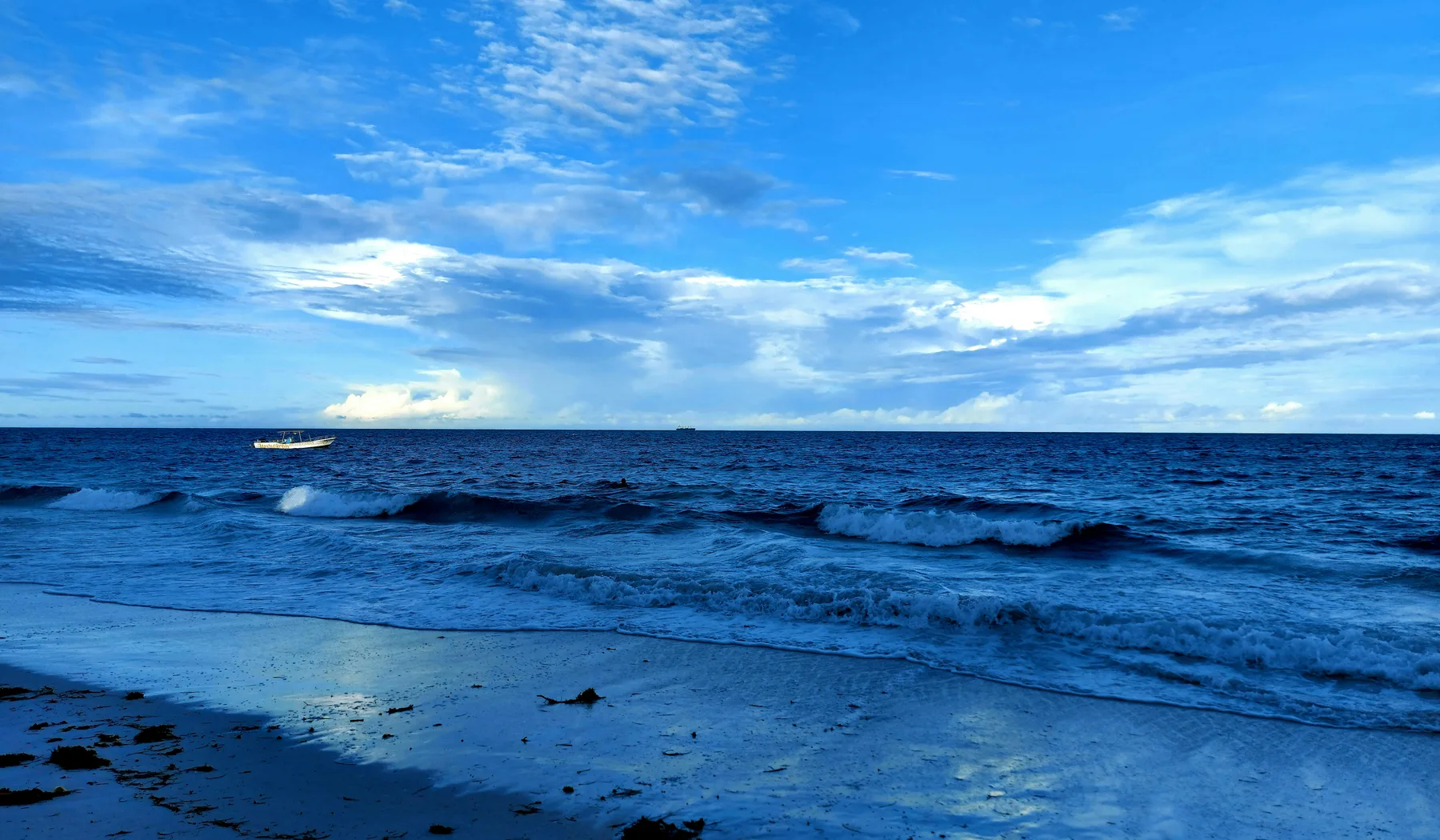
“Good weather” is too vague for a marine day. It can be sunny and still too windy for a comfortable beginner snorkel. Low tide may expose reef flats and sandbars. Rising water can cover them quickly. Current can move in a different direction from surface chop.
| Condition | What you may notice | Planning response |
|---|---|---|
| Wind | Choppy surface and boat spray | Choose shelter, timing or another day |
| Swell | Rolling movement even without local wind | Review seasickness and entry method |
| Tide | Changing depth and exposed reef | Match route and departure |
| Current | Drift while swimming | Guide, route and exit point |
| Rain | Runoff, cloud and reduced light | Ask about visibility and comfort |
| Sun | Glare and rapid burning | Rash vest, shade and secure sunscreen |
Do not book visibility as if it were a room feature
Visibility can change between days and sites. Rain, suspended sand, plankton, tide, wind and boat traffic all play a part. Ask for the morning assessment, but do not demand a guaranteed number that nobody can control.
| Visibility question | Useful answer |
|---|---|
| What has it been like this week? | Recent observation, not a promise |
| Which site is clearest today? | Site choice based on conditions |
| Is the trip suitable for beginners? | Honest match to sea state |
| Can we move the booking? | Written flexibility |
| What if the boat leaves but the water is poor? | Clear operator policy |
One diver wrote that Mombasa “visibility is often bad and there is not a lot of maritime life.” That is one person’s experience on Reddit’s Kenya comparison discussion, not a universal verdict. It is a reason to ask about current conditions.
Use seasons as guidance, not a promise
PADI’s Mombasa overview describes warm water and points to October through March and July through September as commonly favourable periods, with April through June monsoon conditions able to affect plans. Weather does not follow a marketing calendar perfectly.
| Planning period | General expectation | Still verify |
|---|---|---|
| October to March | Often warmer, calmer planning window | Wind, tide and visibility |
| April to June | Rain and monsoon influence may be stronger | Whether the centre is operating |
| July to September | Often used for diving and snorkelling | Wind, swell and personal warmth |
| Any month | Water can remain warm | Daily sea assessment |
The best time to visit the Kenyan coast guide helps connect marine plans to the rest of the holiday.
Expect warm water but pack for personal comfort
PADI gives a broad water-temperature range of about 25 to 29°C for Mombasa. A long snorkel in wind can still feel cool, especially for a child or a small adult. Ask what exposure protection is supplied.
| Person | Useful option |
|---|---|
| Short casual snorkel | Rash vest and swimsuit |
| Longer surface session | Thin wetsuit or thermal top |
| Repetitive dives | Full suitable wetsuit |
| Child | Correctly sized thermal protection |
| Sun-sensitive traveller | Long sleeves and neck coverage |
Choose the time of day around the sea
An early departure can bring gentler wind and a calmer beach, but tide may be the bigger influence. A later trip may offer a different water depth. The operator should explain why a particular time suits the chosen route.
| Time choice | Possible advantage | Possible drawback |
|---|---|---|
| Early morning | Cooler deck, often lighter wind | Early pickup and cooler start |
| Mid-morning | Convenient and bright | More glare and boat activity |
| Midday | Strong overhead light | Heat and sun exposure |
| Afternoon | Fits a relaxed morning | Wind or tide may be less suitable |
Fit the mask before leaving the beach
A leaking mask turns a beautiful reef into twenty minutes of clearing water. Place it gently against the face without the strap, inhale through the nose and check whether it seals. Hair, facial hair, a folded skirt or an overtight strap can all cause leaks.
| Mask problem | Likely fix |
|---|---|
| Water enters at temples | Try another shape |
| Leak beneath nose | Re-seat skirt and relax face |
| Hair caught in seal | Clear hair before tightening |
| Fogging | Use approved defog and rinse correctly |
| Pressure discomfort | Equalise gently and early |
Ask for fins that help rather than hurt
Fins should be secure without cutting circulation. Full-foot fins suit bare feet when sizing is right. Open-heel fins need appropriate boots. Very stiff fins can tire a beginner, while loose fins disappear during the first kick.
| Fin check | Good sign |
|---|---|
| Heel | Secure without rubbing |
| Toes | Not crushed |
| Blade | Manageable for the swimmer |
| Strap | Intact and adjusted before entry |
| Spare | Operator carries replacements or straps |
Give non-swimmers a real choice
Non-swimmer does not mean non-participant. It also does not mean someone should be persuaded into deep water. A glass-bottom view, correctly fitted life jacket or supported surface session can work, but consent and comfort come first.
| Option | What must be present |
|---|---|
| Stay in boat | Shade, seat and safe supervision |
| Float at surface | Buoyancy aid and dedicated guide |
| Hold a line or float | Calm water and controlled group |
| Try from beach shallows | Safe bottom and guide permission |
| Decline water entry | No pressure or penalty beyond clear terms |
A traveller wrote, “I am not a swimmer yet I did get into the warm ocean,” on the marine-park review page. Their guide and flotation mattered. Another non-swimmer may prefer the boat.
Make children’s safety specific
“Child friendly” says very little. Ask for the minimum age, child-size life jacket, mask and fins, adult-to-child supervision, boat sides, shade, toilet arrangements and the plan if one parent returns early.
| Child question | Why it matters |
|---|---|
| Age and water confidence | Determines suitable activity |
| Jacket size and type | Adult jackets do not fit small bodies |
| Guide responsibility | Parent and guide roles stay clear |
| Boat rail and floor | Reduces falls and slipping |
| Shade and drinking water | Prevents heat stress |
| Session length | Shorter is often happier |
| Exit plan | Child can stop without ending in chaos |
Link the marine day to the wider Kenya safari with children plan so transfers, sleep and sun exposure remain realistic.
Plan for older travellers without making assumptions
Age alone does not decide suitability. The hard part may be walking soft sand, climbing into the boat, balancing during a wet entry or sitting without back support. Ask about the complete movement sequence.
| Stage | Accessibility detail |
|---|---|
| Hotel pickup | Vehicle height and step |
| Beach approach | Sand depth and distance |
| Boat boarding | Ladder, stool, rail and assistance |
| Seating | Back support and shade |
| Water entry | Ladder, platform, giant stride or beach walk |
| Return | Wet ladder and moving boat |
Check accessibility from vehicle to water
A property may call itself accessible while the excursion crosses loose sand and uses a narrow boat ladder. The accessible Kenya travel guide explains why the whole route matters.
| Access need | Ask for |
|---|---|
| Wheelchair | Surface, width, transfer method and secure storage |
| Limited walking | Distance, rest points and beach vehicle availability |
| Reduced grip | Rails, ladder shape and staff assistance |
| Hearing | Written briefing and visual signals |
| Vision | Verbal orientation and guide support |
| Hidden disability | Quiet briefing and flexible pace |
Take seasickness seriously before boarding
Short trips can still be uncomfortable. Eat a light familiar meal, hydrate, face the horizon and choose a stable seat. Anyone considering medication should ask a pharmacist or doctor about timing, drowsiness and interactions, especially if diving.
| Before the trip | On the boat |
|---|---|
| Discuss suitable medication early | Look at the horizon |
| Sleep properly | Stay in fresh air |
| Eat lightly | Avoid reading a phone |
| Hydrate | Tell crew at the first sign |
| Avoid excess alcohol | Use the most stable seat offered |
Respect medical screening for scuba
Scuba changes pressure and breathing conditions. Do not hide asthma, heart conditions, ear trouble, recent surgery, pregnancy, medication or a recent illness to avoid losing a booking. The correct outcome may be medical clearance, a modified plan or snorkelling instead.
| Medical topic | Correct response |
|---|---|
| Positive questionnaire answer | Follow referral instructions |
| Congestion | Do not force equalisation |
| Ear pain | Stop descent and signal |
| New medication | Discuss with a qualified clinician |
| Pregnancy | Follow current medical and agency guidance |
| Recent surgery | Obtain appropriate clearance |
Equalise early and never push through pain
Pressure discomfort is not a test of courage. Divers equalise before pain, descend slowly and stop if the ears or sinuses do not clear. Snorkellers who duck-dive also experience pressure changes.
| Signal | Action |
|---|---|
| Mild pressure | Stop and equalise gently |
| Sharp pain | Ascend slightly and end if unresolved |
| Vertigo | Hold position, signal and surface with support |
| Ear symptoms after dive | Seek appropriate medical advice |
Keep flying and altitude plans separate from dive time
A beach holiday often ends with a flight to Nairobi or a road climb inland. Certified divers should follow their training agency, dive computer and operator guidance for surface intervals before flying or going to altitude. Build a generous buffer rather than squeezing in a final dive.
| Next journey | Planning issue |
|---|---|
| Domestic flight | Cabin altitude after diving |
| International flight | Same decompression concern plus check-in time |
| Drive to high ground | Altitude can matter even without a flight |
| Train journey | Generally low-altitude route, still follow personal guidance |
| No-dive final day | Gives a clean buffer and relaxed packing |
The Nairobi to Mombasa flights guide helps place the no-dive interval beside the real departure time.
Insure the activity you are actually doing
General travel insurance may cover snorkelling but exclude scuba, deeper diving, training or evacuation. A certification card is not insurance. Read the activity definitions and the geographic and depth limits.
| Policy check | Confirm |
|---|---|
| Scuba covered | Yes, with level and depth stated |
| Training dives | Included or excluded |
| Search and rescue | Limit and conditions |
| Hyperbaric treatment | Cover and authorisation process |
| Medical evacuation | Destination and transport |
| Equipment | Rental and personal kit |
| Missed activity | Weather and operator cancellation |
Ask where emergency oxygen is kept
“We have safety equipment” is not enough. Ask whether oxygen is on the boat, whether it is working and sufficient for the route, and who is trained to use it. The answer should be calm and specific.
| Emergency element | Clear answer includes |
|---|---|
| Oxygen | Unit location, capacity and checks |
| First aid | Kit and trained person |
| Communication | Charged phone or radio coverage |
| Position | Crew’s site and route knowledge |
| Landing | Fastest practical return point |
| Medical care | Named initial facility and escalation route |
| Incident record | Responsible reporting process |
Inspect the boat with your own eyes
A bright paint job does not prove seaworthiness. Look for enough life jackets, a clear deck, working engine, fuel, shade, ladder, communication and a crew that gives a briefing before departure.
| Boat feature | What to see |
|---|---|
| Life jackets | Correct sizes for everyone |
| Engine | Maintained and started reliably |
| Fuel | Sufficient for route and reserve |
| Ladder | Secure and usable from water |
| Shade | Meaningful deck coverage |
| Deck | No loose lines or sharp hazards |
| Communication | Protected and charged device |
Learn the entry and exit before the boat moves
Some snorkellers step from a beach. Others slide over the side or use a ladder. Divers may use a seated entry, giant stride or backward roll. The return ladder can be harder than the entry.
| Method | Ask |
|---|---|
| Beach entry | Footwear, waves and reef surface |
| Side entry | Handholds and guide position |
| Ladder | Fins-off procedure and weight support |
| Backward roll | Clear count and surface regrouping |
| Giant stride | Water depth and equipment check |
Keep the group small enough to supervise
The right ratio depends on activity, conditions and experience. A beginner snorkel group with children needs closer support than certified buddies on a calm familiar site. Count guides in the water, not people wearing operator shirts on the beach.
| Group question | Why it matters |
|---|---|
| Maximum guests on boat | Space and life-saving capacity |
| Guests per in-water guide | Real supervision |
| Children or non-swimmers | Extra support may be needed |
| Certified and beginner divers mixed | Site and pace can conflict |
| Private guide option | Useful for anxiety, photography or access needs |
Understand what wildlife may appear
Reef fish, invertebrates, corals and seagrass life can reward a patient look. Turtles, rays, dolphins and other larger animals may occur along the Kenyan coast, but no responsible guide should promise a particular wild animal on a specific Mombasa outing.
| Wildlife interest | Better question |
|---|---|
| Colourful reef fish | Which habitat and depth will we visit? |
| Turtles | Are sightings occasional or common lately? |
| Rays | What bottom habitat suits them? |
| Dolphins | Is this route appropriate without chasing? |
| Coral | Is it living, healthy and viewable without contact? |
| Macro life | Does the guide enjoy slow, close observation? |
Let the guide point, not touch
The most memorable guide is often the one who slows the group down and helps people notice what was already there. Touching, lifting or chasing animals for a photograph changes behaviour and can injure both animal and visitor.
| Responsible guiding | Avoid |
|---|---|
| Point from a safe distance | Picking up creatures |
| Explain behaviour | Blocking an animal’s route |
| Keep fins above reef | Standing on coral |
| Control the group | Surrounding a turtle or ray |
| Leave the site intact | Taking shells or coral |
Never feed fish, even if an old review celebrates it
Several older traveller accounts mention bread used to attract fish. KWS’s current wildlife code says visitors should not feed or interfere with wildlife. Feeding changes behaviour, adds unsuitable food and creates a false spectacle.
| If someone offers food | Say or do |
|---|---|
| Guide proposes feeding | Decline and refer to park rules |
| Other guests begin | Keep distance and alert responsible crew |
| Fish gather around boat | Observe without adding food |
| Photograph desired | Wait for natural behaviour |
The KWS marine excursions guidance should outrank an old anecdote.
Keep hands, fins and feet off coral
Coral is living habitat and can be damaged by a single careless kick. Some organisms can also cut or sting. Good buoyancy, a horizontal position and enough space from the bottom protect both traveller and reef.
| Situation | Reef-safe response |
|---|---|
| Rest needed | Use flotation or return to boat |
| Mask adjustment | Float on back away from coral |
| Current pushes | Signal guide, do not grab reef |
| Photograph | Stabilise with breathing, not hands |
| Shallow reef walk | Follow current KWS and guide instructions; never trample living coral |
Use sunscreen without turning it into the whole solution
Covering skin with a rash vest, hat and shade reduces the amount of product entering the water. Where sunscreen is needed, follow current local and product guidance and allow it to settle before entering.
| Sun measure | Best use |
|---|---|
| Long-sleeve rash vest | Snorkelling and boat time |
| Leg coverage | Long surface sessions |
| Broad hat | Boat and beach |
| Sunglasses with strap | Boat, not underwater |
| Shade | Breaks and non-swimmers |
| Sunscreen | Exposed skin, applied correctly |
Bring water without bringing disposable plastic into the park
KWS promotes plastic-free protected areas. Carry water in an accepted reusable bottle and ask the operator how drinking water is provided. Hydration matters because sea breeze can hide how much fluid you are losing.
| Packing item | Better choice |
|---|---|
| Water | Refillable bottle |
| Snack | Reusable container |
| Wet clothes | Reusable dry bag |
| Rubbish | Take-back pouch |
| Tissues | Small secured packet |
The complete Kenya packing guide covers the coast and safari legs together.
Protect prescription glasses and solve vision early
Ordinary glasses do not fit under a mask. Contact lenses may work for some people with appropriate care, while prescription masks can be rented or brought from home. Do not wait until the boat is leaving to discover the guide cannot read your required strength.
| Vision need | Planning option |
|---|---|
| Mild distance correction | Ask whether standard mask is sufficient |
| Strong prescription | Reserve a prescription mask |
| Contact lenses | Follow personal eye-care advice and carry spares |
| Bifocal need | Consider stick-on or specialist mask solution |
| Glasses on boat | Hard case and dry storage |
Treat cameras as secondary to control
A camera increases task load. New snorkellers should learn to breathe and float before trying to film. New divers should establish buoyancy and buddy awareness before composing a shot.
| Camera choice | Main risk | Better habit |
|---|---|---|
| Phone pouch | Leak or dropped phone | Test seal and use secure lanyard |
| Action camera | Tunnel vision | Look up and check group |
| Compact housing | Flood from bad seal | Inspect O-ring dry and clean |
| Large rig | Poor buoyancy | Use only with suitable experience |
| Rental camera | Unfamiliar controls | Practise on boat before entry |
Bring only equipment you can maintain
Own masks and computers can improve familiarity. Travelling with full dive gear adds baggage, drying and maintenance. Rental kit removes luggage but must be fitted and checked.
| Equipment | Bring your own when | Rent when |
|---|---|---|
| Mask | Fit is difficult or prescription needed | Standard masks fit easily |
| Fins | You know the model and have baggage | Casual snorkel or limited luggage |
| Regulator | Service and familiarity matter | Centre quality is trusted |
| BCD | Fit is unusual or technical needs | Simple recreational diving |
| Computer | You know its history and settings | Only with full briefing and clear responsibility |
| Wetsuit | Personal fit and hygiene matter | Correct size is confirmed |
Check cylinders and weights without pretending to be a technician
A diver should receive a cylinder in appropriate condition, with a working valve and a gas check where applicable. Weight should be adjusted for exposure suit, body, cylinder and water conditions, not copied blindly from another diver.
| Check | Diver action |
|---|---|
| Cylinder marking | Follow centre and training protocols |
| Valve and O-ring | Watch setup and listen for leaks |
| Gas | Analyse when required and label correctly |
| Weight | Complete a sensible check |
| Release | Know how the system drops or removes weight |
Ask about nitrox only if it serves the plan
Enriched air can change allowable exposure but does not make someone a better diver or remove decompression risk. Use it only with appropriate certification, analysis and computer settings.
| Nitrox question | Required answer |
|---|---|
| Is it available? | Current fill and cylinder availability |
| Who analyses? | Diver follows training procedure |
| What percentage? | Measured, recorded and labelled |
| Computer setting? | Confirmed before entry |
| Maximum operating depth? | Understood for that mix |
Give freediving its own safety plan
Freediving is not simply snorkelling with a deeper duck-dive. Breath-hold training, equalisation, weighting, recovery breathing and direct buddy supervision matter. Never practise long breath holds alone, in a hotel pool or while a buddy is looking elsewhere.
| Freediving element | Safe planning question |
|---|---|
| Instructor | What current qualification do they hold? |
| Buddy | Who watches each complete dive and recovery? |
| Weight | How will neutral buoyancy be checked? |
| Depth | How is progression limited? |
| Surface interval | What method is taught and enforced? |
| Rescue | What oxygen and emergency plan are present? |
Separate reef walking from snorkelling
At low tide, parts of the reef flat or a sandbar may be exposed. A walk can reveal small tidal life, but it can also cause trampling and cuts. Follow current KWS instructions and use a qualified guide who keeps the group on permitted, durable routes.
| Reef-walk detail | Confirm |
|---|---|
| Tide window | Start, turnaround and return time |
| Surface | Sand, dead substrate or living reef |
| Footwear | Secure hard-soled water shoes if allowed |
| Wildlife | Observe without handling |
| Children | Hand supervision and clear boundaries |
| Heat | Hat, water and short duration |
One recent traveller wrote that the tide “comes in pretty fast” in a detailed Mombasa marine-park account. That is why the guide, tide window and turnaround matter.
Avoid coral cuts rather than planning to treat them
The reef can contain sharp, fragile and stinging life. Wear permitted footwear only where walking is allowed, maintain buoyancy in deeper water and keep hands to yourself. Clean any wound promptly and seek medical care when pain, swelling, retained material or infection is possible.
| Prevention | Response if injured |
|---|---|
| Do not stand on coral | Leave water safely |
| Keep fins up | Rinse and assess properly |
| Wear suitable footwear for permitted walks | Tell crew what caused the injury |
| Follow guide’s path | Seek professional care when needed |
Do not collect shells, coral or living souvenirs
An empty-looking shell may still shelter an animal. Coral fragments are part of the protected ecosystem, and wildlife products can create legal and conservation problems. Take photographs and leave the shore as you found it.
| Temptation | Better memory |
|---|---|
| Shell | Photograph it in place |
| Coral fragment | Record colour and shape without moving it |
| Starfish | Watch natural movement |
| Sand in bottle | Leave the beach intact |
| Fish feeding photo | Photograph natural behaviour instead |
Understand the separate parts of the price
A low boat figure may exclude KWS entry, equipment, guide, hotel transfer, food, photographs and tips. A higher quote may include some of them. Compare the same complete experience for the same people.
| Cost line | Ask whether included |
|---|---|
| Marine-park entry | Adult, child and residency category |
| Boat | Private or shared, route and duration |
| Snorkel equipment | Mask, snorkel, fins and flotation |
| Dive equipment | Full kit or selected items |
| Instructor or guide | Private or shared supervision |
| Transfer | Hotel, city or cruise pickup |
| Food and water | Quantity and packaging |
| Photographs | Included, optional or unavailable |
Verify current KWS fees at the time of booking
Protected-area fees can change. Use the current official KWS page or fee notice for your visit date, and confirm the category and payment method. An old review that names a dollar amount is not a current price list.
| Fee detail | Why it changes the total |
|---|---|
| Citizenship or residency | Different category may apply |
| Adult or child | Age definition matters |
| Park or reserve activity | Charge can differ by access |
| Boat or excursion fee | May sit outside personal entry |
| Payment channel | Cash, card or digital process |
| Exchange rate | Affects converted quote |
Price a private boat for the right reason
A private boat can help a family with children, a photographer, a traveller needing a slower boarding process or a mixed group that wants different water times. It is not automatically safer or more comfortable. Crew, capacity and sea state still decide that.
| Private-boat benefit | Confirm it is real |
|---|---|
| Flexible pace | Written departure and return window |
| Smaller group | Maximum passengers stays sensible |
| Personal guide | Guide is actually dedicated |
| Special access | Boarding route has been checked |
| Photography | Wildlife rules remain unchanged |
Decide whether hotel booking is worth it
A hotel water-sports desk can simplify meeting, payment and accountability. A direct operator may offer more specialist diving knowledge or a different route. A beach seller may be legitimate, but a conversation on sand is not proof of credentials, insurance or the promised boat.
| Booking route | Strength | Check |
|---|---|---|
| Hotel desk | Convenient and traceable | Actual operator and markup |
| Dive centre | Specialist equipment and staff | Transfer and seasonal operation |
| Travel planner | Connects the whole itinerary | Named operating partner |
| Beach approach | Immediate and negotiable | Identity, licence, boat and written receipt |
| Online marketplace | Reviews and card payment | Actual supplier and cancellation |
Handle beach selling firmly and respectfully
Mombasa beaches support many livelihoods, and visitors can still set clear boundaries. One recent traveller wrote, “I was not ready for the beach boys,” in a first-time Mombasa discussion. Decide before the walk whether you want to browse or be left alone.
| Situation | Calm response |
|---|---|
| Not interested | Say no clearly and keep moving |
| Want information | Ask for written operator details |
| Asked for WhatsApp | Share only if you genuinely want follow-up |
| Feeling surrounded | Return to hotel security or a staffed area |
| Ready to book | Verify identity, boat, fees and receipt first |
Another coast traveller found that “a firm no was sufficient” in Kilifi and Ukunda, while describing Nyali as more persistent in a Kenyan beach discussion. Experiences vary, but boundaries help.
Get every promise onto one written booking
The booking should say what the activity is, who supplies it, where it begins, how long it lasts and what happens when weather changes it. “Marine park trip” is not enough.
| Booking field | Exact detail |
|---|---|
| Operator | Registered name and contact |
| Date | Day and local time |
| Meeting | Pin and person |
| Guests | Adults, children, swimmers and divers |
| Activity | Boat, snorkel, discover scuba or certified dive |
| Inclusions | Fees, gear, guide, transfer, food and water |
| Exclusions | Every likely extra |
| Weather terms | Cancel, move, shorten or substitute |
| Payment | Amount, currency and receipt |
Refuse vague substitute activities
If conditions prevent diving, an operator may offer snorkelling, a boat ride or a new date. That can be fair only when the alternative, price difference and refund terms were clear. A traveller who wanted a dive should not discover after departure that the booking was always just a general excursion.
| Change | Agree in advance |
|---|---|
| Dive becomes snorkel | New price and consent |
| Reef stop is removed | Remaining route and refund |
| Private becomes shared | Group size and price |
| Morning becomes afternoon | Tide and transfer effect |
| Park becomes beach swim | Entry-fee treatment and choice to decline |
Use reviews to find questions, not certainty
Reviews are useful when they reveal repeated patterns: crowding, equipment fit, guide care, timing, seller pressure or weather handling. They are weak when they promise wildlife or treat one clear day as the normal view.
| Review detail | Useful interpretation |
|---|---|
| Date and month | Suggests seasonal context |
| Activity named | Separates snorkel from scuba |
| Operator named | Connects praise or complaint correctly |
| Sea state described | Explains comfort and visibility |
| Equipment detail | Reveals fit and maintenance |
| Response to problem | Shows service under pressure |
Read praise and disappointment together
One older visitor called the park a “wonderful, easy place to snorkel.” A June visitor wrote, “Not the easiest to snorkel when it’s very wavy.” Both appear on the same traveller review page. The contrast is more useful than an average score because it points directly to sea state and confidence.
| Review pattern | Planning question |
|---|---|
| Easy and calm | Was the water similar to my date? |
| Wavy and tiring | Can we move to a calmer session? |
| Many fish | Which site and tide? |
| Few fish | Was visibility or route poor? |
| Helpful guide | How many guests did they supervise? |
| Short trip | What duration was actually booked? |
Compare Mombasa with Diani honestly
Diani is south of Mombasa and requires a road journey that can be slow because of traffic and the Likoni crossing route, unless a flight or another arrangement makes sense. It has its own operators and sites. Do not book a Diani dive while staying in north-coast Mombasa without pricing the entire day.
| Choose Mombasa when | Consider Diani when |
|---|---|
| You stay in Nyali, Bamburi or Shanzu | You stay on the south coast |
| A Mombasa centre fits your experience | A particular Diani site or centre leads the trip |
| You want a shorter local marine morning | You accept the transfer or change hotels |
| City and marine plans share one base | Diani beach time is a main holiday chapter |
A diver described Diani as having “Decent visibility, nice reefs and a couple of wrecks” in a scuba discussion. That is a personal report, not a promise for either coast. Compare current conditions and logistics. The Diani hotels and resorts guide helps if moving base.
Compare Mombasa with Malindi and Watamu
Malindi and Watamu are separate coast bases north of Mombasa. They suit travellers who want their marine days tied to those towns and parks, not a rushed road excursion from Mombasa. The right answer may be two nights in the north rather than one very long transfer.
| Factor | Mombasa | Malindi or Watamu area |
|---|---|---|
| Base | City and north-coast resorts | Northern coast towns and resorts |
| Marine area | Mombasa park and reserve | Malindi or Watamu marine areas |
| Transfer | Shorter from Mombasa hotels | Better from a northern hotel |
| Trip style | City, beach and reef | Dedicated northern coast chapter |
| Planning link | Local hotel and gate | Airport, road and selected park |
Read the Malindi Marine National Park guide and Malindi hotels comparison before treating the towns as one excursion.
Compare Mombasa with Kisite Mpunguti
Kisite Mpunguti lies far to the south and is a different marine outing, often connected with the Shimoni and Wasini area. It should not be sold as though it were another site just off Mombasa. A day from Mombasa may involve a substantial road transfer before the boat.
| Question | Mombasa marine day | Kisite Mpunguti day |
|---|---|---|
| Road time | Shorter from north-coast hotels | Longer southern transfer |
| Boat start | Mombasa access point | Shimoni-area arrangement |
| Experience | Local reef, snorkel or dive | Separate protected-area itinerary |
| Wildlife | Never guaranteed | Never guaranteed |
| Best use | Half or full local day | Deliberate full-day plan or south-coast stay |
The planned Kisite Mpunguti Marine Park guide will carry the full route, operator and conservation detail.
Choose a hotel by launch logistics, not only the beach view
A north-coast hotel can reduce transfer time, but only if the chosen operator uses a nearby departure. A city hotel may be better for Old Town and meetings but add road time to the water.
| Hotel choice | Marine-day effect |
|---|---|
| Nyali beach hotel | Potentially easy local pickup |
| Bamburi resort | Convenient for some hotel-based operators |
| Shanzu or Serena end | Useful for northern gate access |
| Mombasa Island hotel | More city access, longer beach transfer |
| South-coast hotel | Different marine geography and route |
Compare exact locations in the Mombasa hotels and resorts guide and the Mombasa and Diani all-inclusive guide.
Connect a safari to the sea without exhausting everyone
After early game drives and a long transfer, the group may want one quiet beach day before an underwater activity. Flying from safari country can save time, while the train or road route changes the first and last day.
| Arrival pattern | Better marine timing |
|---|---|
| Late flight arrival | Rest next morning or book flexible afternoon only if suitable |
| Morning flight arrival | Check in and plan the following day |
| SGR arrival | Allow station transfer and recovery |
| Long road from safari | Keep next day light |
| Short local transfer | Still avoid a rushed first dive after fatigue |
The safari-to-beach guide compares flight, train and driving choices.
Plan a simple half-day snorkelling itinerary
A half day works when the hotel, gate and boat are close and the group does not need scuba training. Keep the schedule loose enough for briefing and sea assessment.
| Approximate sequence | What happens |
|---|---|
| Hotel departure | Pickup with swimwear already on |
| Gate or beach check-in | Entry, equipment and boat confirmation |
| Safety briefing | Life jackets, route, signals and rules |
| Boat ride | Calm orientation and conditions check |
| Snorkel session | Guided water time suited to confidence |
| Optional glass view | Non-swimmers remain included |
| Return | Rinse, dry clothes and unhurried transfer |
Plan a two-dive day for certified divers
A proper two-dive plan includes certification checks, equipment setup, site briefing, surface interval, hydration and a conservative finish. Do not build a tight airport transfer after it.
| Stage | Diver task |
|---|---|
| Centre check-in | Card, forms and medical updates |
| Equipment | Fit, assemble and buddy check |
| Dive one | Follow site plan and computer |
| Surface interval | Hydrate, log and reassess |
| Dive two | Adjust site to conditions and experience |
| Return | Log, rinse and confirm no-fly guidance |
Plan a first-scuba morning without rushing it
An introduction takes longer than the underwater portion suggests. Theory, fitting and confined skills are the experience, not delays around it.
| Time block | Purpose |
|---|---|
| Forms and medical | Establish eligibility |
| Theory | Understand pressure, breathing and signals |
| Equipment fitting | Remove preventable discomfort |
| Confined skills | Prove calm control |
| Open-water experience | Short supervised exploration |
| Debrief | Discuss comfort and next step |
Give a non-swimmer a satisfying marine morning
The non-swimmer’s day should not be built around waiting while everyone else disappears. Choose a stable shaded boat, a clean viewing panel, a guide who explains what is below and a route that remains worthwhile from the deck.
| Non-swimmer priority | Include |
|---|---|
| View | Glass panel and clear seating turn-taking |
| Comfort | Shade, water and stable seat |
| Information | Guide narration without handling wildlife |
| Choice | Optional flotation, never pressure |
| Return | Easy boarding and beach route |
Build a family decision tree
Start with the least confident person, then add options rather than forcing one activity on everyone.
| If the answer is yes | Choose |
|---|---|
| Everyone swims confidently | Guided snorkel with suitable conditions |
| One adult does not swim | Glass-bottom boat with optional snorkel |
| Children are very young | Short private or highly controlled trip |
| Teen wants scuba | Age-appropriate current programme and medical screen |
| Parent dives, family snorkels | Mixed operator with separate supervision |
| Anyone feels unwell | Move, shorten or skip without pressure |
Build a honeymoon marine day around privacy
Romance is not a crowded boat with a surprise sales pitch. A good honeymoon outing may be a private morning, a small shared boat, one unhurried snorkel and a quiet lunch afterwards.
| Honeymoon preference | Design choice |
|---|---|
| Privacy | Private boat or verified small group |
| Photography | Time without disturbing wildlife |
| Different confidence | Glass view plus guided snorkel |
| Luxury | Reliable transfer, shade and quality equipment |
| Celebration | Hotel meal after the activity, not alcohol before diving |
Keep a rainy-day alternative ready
Rain alone does not always cancel a marine trip, but storms, wind and poor visibility can. A strong coast itinerary has another useful day rather than pushing unsafe conditions.
| If the sea day moves | Consider |
|---|---|
| City culture | Fort Jesus and Old Town with a qualified guide |
| Nature on land | A suitable local conservation visit |
| Hotel day | Spa, pool, reading and family time |
| Food | Planned lunch or Swahili dining experience |
| Logistics | Move marine trip to the best remaining window |
Pack a dry change for the return
Wet swimwear becomes uncomfortable in an air-conditioned vehicle. Keep a dry bag with clothes, towel and protected electronics, and leave valuables at the hotel where possible.
| Pack | Keep dry or secure |
|---|---|
| Towel | Quick-dry if possible |
| Dry clothes | Full change, including underwear |
| Phone | Waterproof pouch inside dry bag |
| Medication | Original protected container |
| Card or cash | Small amount in sealed wallet |
| Room key | Secure pocket or operator system |
Leave jewellery and loose valuables behind
Rings can slip from cold wet fingers. Chains snag on equipment. Watches may not be rated for the planned depth. If an item would ruin the holiday when lost, keep it in the hotel safe.
| Item | Best plan |
|---|---|
| Wedding ring | Leave secured or use a tested keeper system |
| Necklace | Remove before equipment fitting |
| Loose earrings | Leave behind |
| Smartwatch | Verify water and depth rating |
| Passport | Carry only if specifically required and protect it |
Know when to stop the activity
Stop for breathing distress, chest pain, severe ear pain, panic, confusion, unusual weakness, equipment failure, dangerous weather or an instruction from the responsible professional. Missing a snorkel is better than turning a problem into an emergency.
| Warning sign | Immediate response |
|---|---|
| Panic | Establish flotation, signal and exit |
| Breathing difficulty | End activity and seek care |
| Ear or sinus pain | Stop descent and do not force |
| Lost group | Follow briefing and surface procedures |
| Lightning or dangerous sea | Follow crew evacuation direction |
| Equipment fault | Signal, secure and end or replace safely |
Ask the guide these ten questions
The answers should sound specific to tomorrow’s sea, not copied from a sales message.
| Question | What a useful answer contains |
|---|---|
| Where exactly do we meet? | Pin and contact |
| Which park gate do we use? | Named access point |
| What is the current sea forecast? | Wind, waves and tide |
| Who supervises in the water? | Name, role and ratio |
| What equipment is supplied? | Sizes and condition |
| Are KWS fees included? | Category and receipt |
| What boat will operate? | Capacity, shade and ladder |
| What wildlife is realistic? | Possibilities without promises |
| What if conditions are poor? | Written alternatives and refund |
| What is the emergency plan? | Oxygen, communication and landing |
Compare two proposals on the complete experience
Do not choose by one bold total. Put the same facts side by side and circle every blank.
| Comparison line | Proposal one | Proposal two |
|---|---|---|
| Operator and centre | ||
| Activity | ||
| Gate and meeting point | ||
| Boat and capacity | ||
| In-water ratio | ||
| Equipment | ||
| Park fees | ||
| Transfer | ||
| Duration | ||
| Weather terms | ||
| Total for group |
Complete the booking brief
Send the operator one clear message so the right boat, sizes and staff are prepared.
| Brief field | Your detail |
|---|---|
| Date and flexibility | |
| Hotel and room name | |
| Adults and children’s ages | |
| Swimming confidence | |
| Certifications and last dives | |
| Medical or access needs | |
| Glass boat, snorkel or scuba | |
| Private or shared preference | |
| Equipment sizes | |
| Transport needs | |
| Budget and currency |
Run the final evening check
Conditions and people can change. Confirm the trip the evening before without turning the holiday into a military exercise.
| Confirm | Ready when |
|---|---|
| Pickup | Time and driver contact received |
| Sea assessment | Operator has reviewed conditions |
| Guests | Nobody is ill or pressured |
| Equipment | Sizes and prescriptions reconfirmed |
| Payment | Balance and method clear |
| Bags | Water, sun cover and dry change packed |
| Flight plan | No-dive interval protected |
Use the final morning check to protect the day
Look at the sea, listen to the briefing and be willing to change the plan. Confidence is not the refusal to cancel. It is the ability to make a sensible decision before leaving shore.
| Morning signal | Decision |
|---|---|
| Calm and suitable | Continue with briefing |
| Wind stronger than planned | Ask for site or time reassessment |
| Child is frightened | Switch to boat-only or stop |
| Diver is congested | Do not dive |
| Boat or gear differs materially | Recheck before payment or departure |
| Safety answers are vague | Do not board |
Make the marine day part of Mombasa, not the whole story
The reef is one chapter. Mombasa also holds Swahili history, food, city life, beaches and a working port. A thoughtful itinerary gives the water enough time without pretending every day should be spent on a boat.
| Stay length | Possible rhythm |
|---|---|
| Two nights | One marine morning and one city or beach chapter |
| Three nights | Marine day, city day and rest |
| Four nights | Add a dive day or flexible weather buffer |
| Five or more | Slow pace, northern or southern coast extension |
The Kilifi hotels guide offers a quieter creek-and-coast comparison if you are building a longer northern route. The Kenya safari cost guide helps keep the marine activities inside the whole-trip budget.
Frequently asked questions about diving and snorkelling in Mombasa
| Question | Short answer |
|---|---|
| Can non-swimmers join? | Yes, with a suitable glass-bottom boat or supported option, but water entry should remain voluntary. |
| Is Mombasa good for first-time snorkelling? | It can be, when conditions, equipment and guide support suit the person. |
| Can I try scuba without certification? | Only through a structured introductory programme with screening, training and close supervision. |
| Are fish sightings guaranteed? | No. Site, weather, tide and wild behaviour change. |
| Should I feed fish? | No. KWS guidance says not to feed or interfere with wildlife. |
| Are park fees included? | Sometimes. Confirm the current KWS category, amount and receipt separately. |
| Can children snorkel? | It depends on age, confidence, conditions, equipment and operator policy. |
| Can I dive before flying? | Follow your training agency, dive computer and operator, and protect a conservative surface interval. |
| Is a glass-bottom boat worthwhile? | It can be for mixed groups, but view quality depends on the boat and conditions. |
| What is the best month? | Seasonal patterns help, but the actual day’s wind, tide and visibility matter more. |
Check local water conditions without guessing from colour
Blue water in a photograph does not prove that today’s water is clear, calm or suitable. Brown or green water does not automatically identify pollution either. Sediment, plankton, cloud, tide and reflected light all change appearance. If there has been heavy rain, a visible discharge, unusual smell, floating waste or an official warning, ask the operator and KWS for a direct assessment rather than relying on the hotel view.
| What you notice | Sensible next step |
|---|---|
| Recent heavy rain | Ask about runoff, visibility and site choice |
| Floating rubbish | Tell the crew and avoid entering until assessed |
| Fuel smell or sheen | Do not enter and report it |
| Unusual irritation | Leave the water, rinse and seek advice if needed |
| Jellyfish or stinging organisms | Ask about current presence and suitable protection |
| Official closure or warning | Follow it without attempting another unofficial entry |
Water-quality questions belong in the booking conversation, especially for young children, people with broken skin and anyone with a health concern. The operator should be willing to move, change or cancel a site when there is a credible problem. A reassuring answer should describe the actual area checked that morning, not simply say that the ocean is always safe.
This is also why the Mombasa diving and snorkelling guide keeps returning to one idea: use seasonal knowledge to prepare, then make the final choice with current local evidence.
Plan the day you will actually enjoy
The best Mombasa marine trip is not the one with the longest list of promised animals. It is the one that matches the people on the boat. The diver gets a properly run dive. The beginner gets time to breathe. The child has a jacket that fits. The non-swimmer still sees and understands the reef. The crew is willing to say no when the sea says no.
| Your final priority | Put it first |
|---|---|
| Safety | Centre, boat, conditions and emergency plan |
| Comfort | Group size, equipment and shade |
| Wildlife | Responsible observation without promises |
| Value | Complete cost and written inclusions |
| Conservation | No feeding, touching, collecting or litter |
| Memory | Enough time to look rather than rush |
Plan your Mombasa marine day
Share dates, hotel, travellers, confidence, certifications, activity, access, transfer and budget.