
Tailor-Made Kenya Safaris Designed Around the People Travelling
Build the journey around your pace, interests and non-negotiables, then use the map, camps and transport choices to make those priorities work together.
Two travellers ask for seven nights in Kenya.
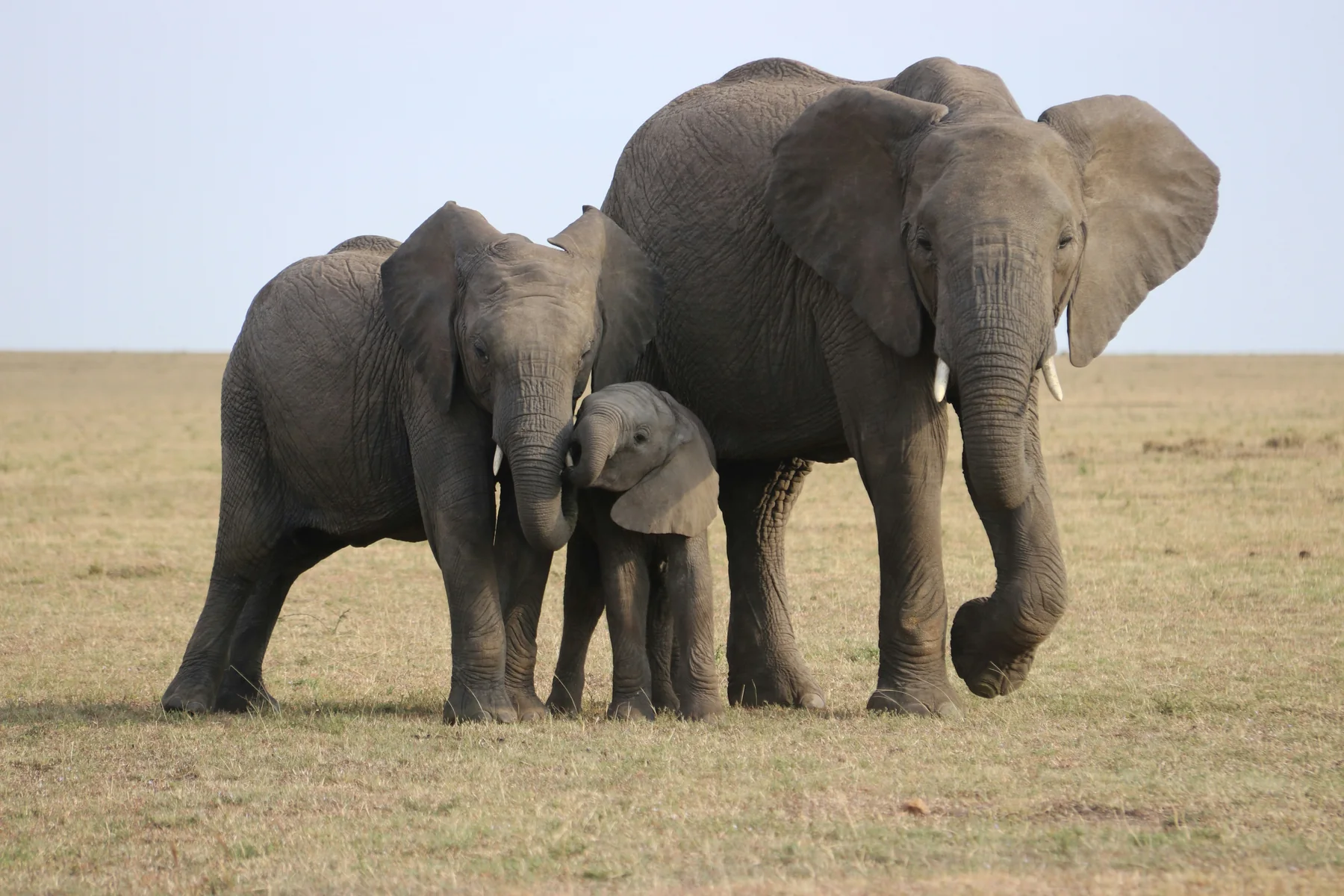
The first couple has spent years dreaming about big cats. They carry long lenses, enjoy dawn starts and would happily wait beside a sleeping leopard for an hour. The second party is a family with two children. Elephants are the great hope, but so are a swimming pool, connected rooms and enough time at the coast for the holiday to feel like a holiday.
Both could be handed the same list of famous parks. Only one might come home happy.
Tailor-made Kenya safaris begin with the people inside the journey, not the number of names on the map. The route should reflect energy, interests, budget, sleep, appetite for road travel and the moments that would make the trip feel worthwhile. A seven-night photographer's safari can be intense and still feel generous. A seven-night family safari with the same timetable can feel punishing.
Tailoring does not mean every request is possible. Camps fill, flight schedules change, park rules apply and a budget still has edges. It means those constraints are used to build one coherent trip rather than hide the awkward parts of a fixed package.
What tailor-made Kenya safaris really change
A fixed itinerary starts with a product and asks whether you fit it. A tailor-made itinerary starts with your non-negotiables and tests the map against them.
That can change almost every part of the trip:
- Which wildlife areas belong together
- How many nights each area deserves
- Whether a road journey adds meaning or only fatigue
- Which sector is worth flying
- Whether game drives are private or shared
- Whether the lodge is inside a park, outside a gate or in a conservancy
- Room layout for children, friends or several generations
- The balance between wildlife, culture, rest and the coast
- How early the days begin
- What the budget protects and where it can bend
It does not mean changing plans carelessly after services are booked. Flights, rooms, private vehicles and permits have conditions. Good tailoring creates flexibility where flexibility is useful and locks the pieces that would be costly or difficult to lose.
Start with people and priorities, not park collecting
The planning conversation becomes clearer when each traveller answers three questions.
- What would make this trip feel extraordinary?
- What would make it tiring or uncomfortable?
- What are you willing to leave out?
The third question is often the most valuable. Kenya is large. The Mara, Amboseli, Samburu, Meru, Tsavo, Laikipia, the central highlands and the coast cannot all be enjoyed properly in one short visit.
Instead of listing every animal, rank experiences. Perhaps you want elephant families in open country, quiet predator viewing, dry-country species, a conservancy walk, a private vehicle or three nights without packing. Those priorities reveal the right ecosystems.
First-time visitors often feel pressure to include the Mara because it is famous. The Mara is extraordinary, but fame alone is not a reason to build the rest of the trip badly. A traveller focused on rhinos, northern scenery or birding may place more weight on Ol Pejeta, Solio, Samburu, Meru or the Rift Valley.
The journey becomes stronger when every destination has a job.
Duration and pace: count moving days, not only nights
Seven nights can look generous until four are spent in different lodges.
Each move has hidden time: packing, checking out, loading bags, reaching the gate or airstrip, travelling, checking in and learning a new property. A flight can shorten distance but still uses part of the day. A one-night stay gives little margin if weather changes or wildlife is quiet.
A simple pace test
| Trip length | Usually comfortable | Often feels rushed |
|---|---|---|
| 4 to 5 nights | One wildlife area, or two that connect simply | Three distant parks |
| 6 to 8 nights | Two strong areas, sometimes a gentle bridge | Four bases with repeated single-night stays |
| 9 to 12 nights | Three areas with real contrast, or safari plus coast | Collecting parks in opposite directions |
| 13 nights or more | A broader circuit with rest built in | Treating extra nights as permission to move every day |
This is not a law. Some travellers love being on the road. Others find one full transfer day exhausting. The right pace depends on the person, which is why private Kenya safaris should protect the rhythm of the party rather than imitate someone else's trip.
Spend the budget where it changes the experience
A safari budget is a set of trade-offs. The most expensive room is not always the most important purchase.
A photographer may gain more from a private vehicle than from a plunge pool. A family may value a two-bedroom unit, a pool and fewer transfer days. A honeymoon couple may protect one beautiful conservancy camp and use a simpler Nairobi hotel. A birder may spend on a specialist guide and stay at a modest lodge close to the right habitat.
Choices with the greatest effect
| Choice | What extra spending can buy | Where a simpler option may work |
|---|---|---|
| Location | Less driving to useful habitat, quieter conservancy access or better airstrip position | A good lodge outside the gate when the daily transfer is genuinely short |
| Vehicle | Private timing, more seat space and specialist focus | Shared camp drives when the group size and schedule suit you |
| Access | More time in camp and fewer tiring road sectors | A scenic road journey that belongs in the route |
| Room | Family layout, privacy, view and comfort | A standard room when most waking hours will be outside |
| Nights | More chances for behaviour, weather and rest | Fewer nights only if the route remains calm |
| Guide | Language, photography, birding or accessibility knowledge | An excellent general guide for a first safari |
Season also changes value. Peak migration dates and festive periods cost more and fill earlier. Travelling outside the busiest weeks can make a stronger camp, longer stay or private vehicle possible within the same total budget.
Our Kenya safari cost guide explains the major price components. The practical rule is simpler: protect the pieces you will feel every day.
Use my budget where it matters most
Tell us who is travelling, what matters most, the pace you enjoy and the choices you would rather not compromise.
Mid-range, luxury and highly private stays
These labels overlap, so the property itself matters more than the category name.
Mid-range done well
A good mid-range camp provides a comfortable bed, reliable meals, strong guiding and a sensible location. It may have more rooms, a buffet and fewer elaborate private meals. It can be the right choice when wildlife time and route matter more than design.
Luxury with purpose
Luxury should buy something you value: a beautiful setting, small guest numbers, a larger room, attentive service, excellent food, a private plunge pool or included activities. It should not be chosen only because the word appears in the name.
Highly private or exclusive-use
A villa, private house or small camp taken on exclusive use can suit families, friends and celebrations. It may include a dedicated vehicle, host or chef, but inclusions vary. Exclusive accommodation still does not make a national park private.
The best itinerary can mix levels. Spend more in the area where you will stay longest, where location changes the viewing or where privacy is part of the occasion. Use a simpler property on a transit night.
Road, air or a thoughtful mixture
Road travel reveals Kenya. You see the Rift Valley, towns, farms and the gradual change between ecosystems. A private Land Cruiser gives luggage freedom and one guide across the route. It also asks you to sit through the full distance.
Flying protects time. It can turn an awkward cross-country sector into a lighter day and make a short safari worthwhile. It brings baggage limits, airport transfers and lodge vehicle arrangements that need to fit.
A mixed journey often has the best shape. Drive Nairobi, Naivasha and the Mara so the Rift Valley becomes part of the story, then fly back rather than repeat the road. Drive Amboseli and Tsavo toward the coast, then use the railway or a domestic flight after the safari. Fly north to Samburu or Laikipia, then connect to the Mara when the date and route work.
Read the detailed Kenya road-safari guide and Kenya fly-in safari guide before deciding. The question is not which mode is superior. It is which kilometres deserve your holiday time.
Choose road, air or both
Tell us who is travelling, what matters most, the pace you enjoy and the choices you would rather not compromise.
Choose ecosystems that add contrast
The strongest combinations change the landscape and the wildlife story.
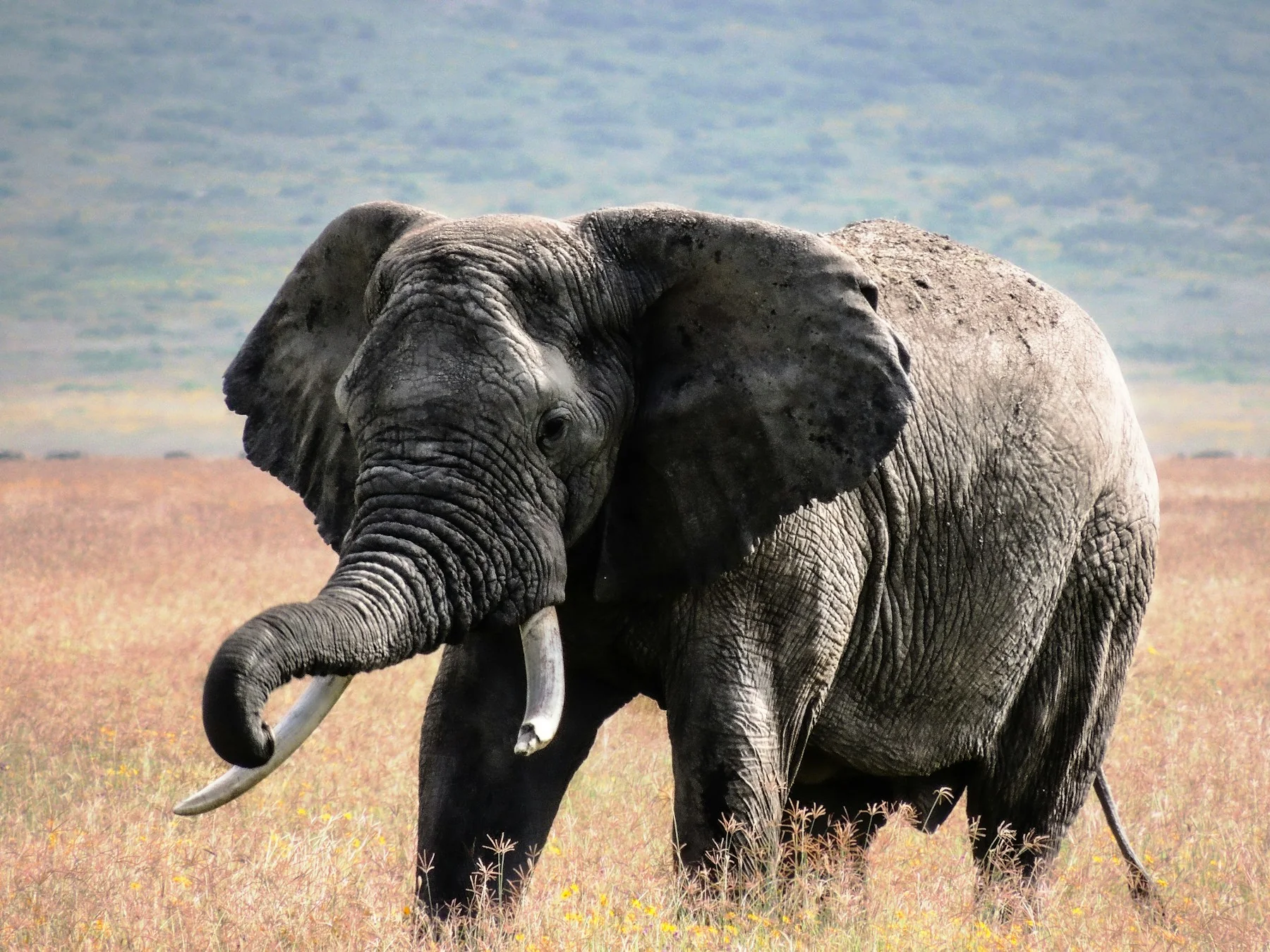
Amboseli brings wetlands, elephants and the possibility of Kilimanjaro views. The Mara offers broad grasslands, strong predator country and conservancy choices. Samburu and Buffalo Springs introduce dry-country species and the Ewaso Ng'iro river. Laikipia adds varied private conservancies, rhino experiences and activities beyond vehicle drives. Tsavo changes again, with immense scale, red earth and volcanic scenery in the west.
Contrast matters more than distance alone. Two Mara camps can be worthwhile when they offer different conservancy access or styles of guiding. Two parks with similar habitat may be less useful if the move costs a full day.
| Pairing | What changes | Planning caution |
|---|---|---|
| Amboseli and Mara | Elephant landscape, mountain possibility and major grassland ecosystem | Use a sensible transfer plan rather than treating the cross-country road as light |
| Samburu or Laikipia and Mara | Dry north, different species and a southern grassland finish | Check through-flight days and property airstrips |
| Amboseli and Tsavo | Wetlands, volcanic scenery and red-earth wilderness | Give each sector enough time and choose the coast or Nairobi exit logically |
| One Mara reserve camp and one conservancy camp | Different rules, activities and density without leaving the ecosystem | Make sure the two locations truly add contrast |
Different travellers need different designs
Families
Fewer moves, useful room layout, a pool and a private vehicle often matter more than a famous lodge name. Build around meals, rest, bathroom stops and the youngest traveller's attention span.
Honeymoons and anniversaries
Protect time together. Choose one or two beautiful settings, avoid constant packing and decide where private drives, meals or room position justify extra cost.
Photographers
Reserve seat space, match the guide to the subject, stay longer and remove transfers that consume good light. A mid-range camp with a private vehicle can outperform a luxury room with crowded shared drives.
Birders and repeat visitors
Look beyond the standard circuit. Samburu, Meru, the Aberdares, the Rift Valley lakes, Arabuko Sokoke and less-used conservancies can add habitats and species absent from a simple Mara itinerary.
First-time safari travellers
Build confidence without overloading the plan. Two contrasting areas, an excellent guide and enough nights to understand each place usually create more than four rushed parks.
Safari and beach without wasting the middle
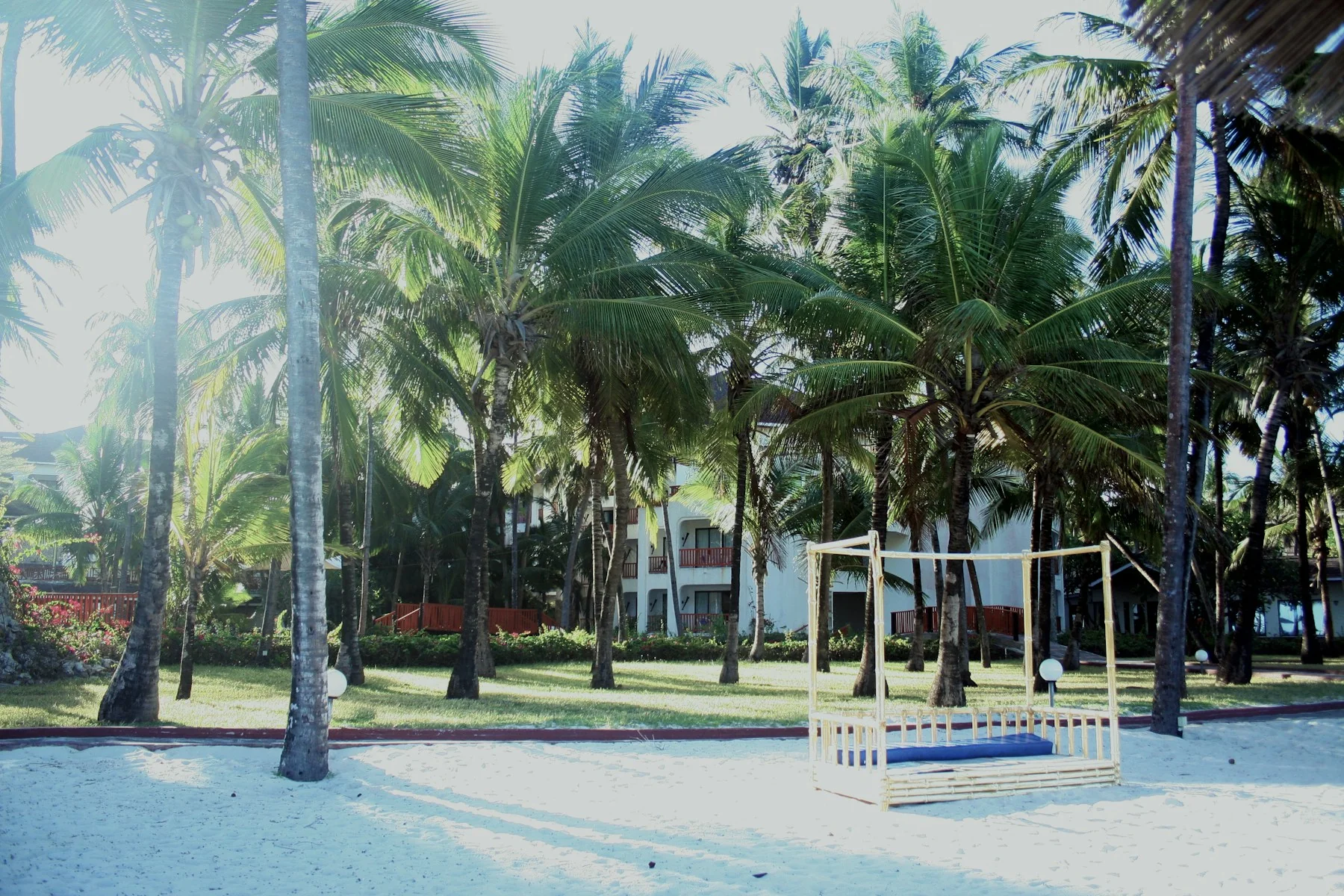
Kenya's coast can be a wonderful release after early mornings and dusty roads. The route still needs logic.
Amboseli and Tsavo flow naturally toward Mombasa, Diani or Watamu. The Mara can connect to the coast by selected flights or through Nairobi. A beach stay after a northern circuit may require Wilson, JKIA or a deliberate Nairobi night.
Choose the coast for the experience, not only the nearest airport. Diani offers resort choice and a long beach. Watamu adds marine activities and a different scale. Lamu brings Swahili history and a slower island rhythm, with more complex flight and transfer planning.
Keep enough beach nights to survive a late arrival or a tired first day. Two nights usually produce only one full day. Four or five can feel like a true second chapter.
Accessibility, food, sleep and motion sensitivity
Tailoring becomes real in the details people are sometimes reluctant to mention.
If climbing is difficult, explain the step height or distance that causes trouble. A ground-floor hotel room does not help if the safari tent sits at the end of a steep path. A private vehicle is not accessible by default. Aircraft doors, boat transfers, bathroom thresholds and night escorts also matter.
Food allergies need precise notice and a kitchen response, not a generic “dietary requirements accepted” label. Medicine storage needs a reliable temperature plan. A light sleeper may value a room away from generators or the dining area, while another traveller would rather be near the main building to reduce walking after dark.
Motion sensitivity changes route design. A rough final approach, small aircraft or boat can matter more than total kilometres. Talk to a qualified medical professional about medication and keep the itinerary loose enough for comfort stops.
Heat, dust, early mornings and several hours without a bathroom are part of safari life. They can usually be managed when they are discussed before the route is built.
Three seven-night safaris, three different answers
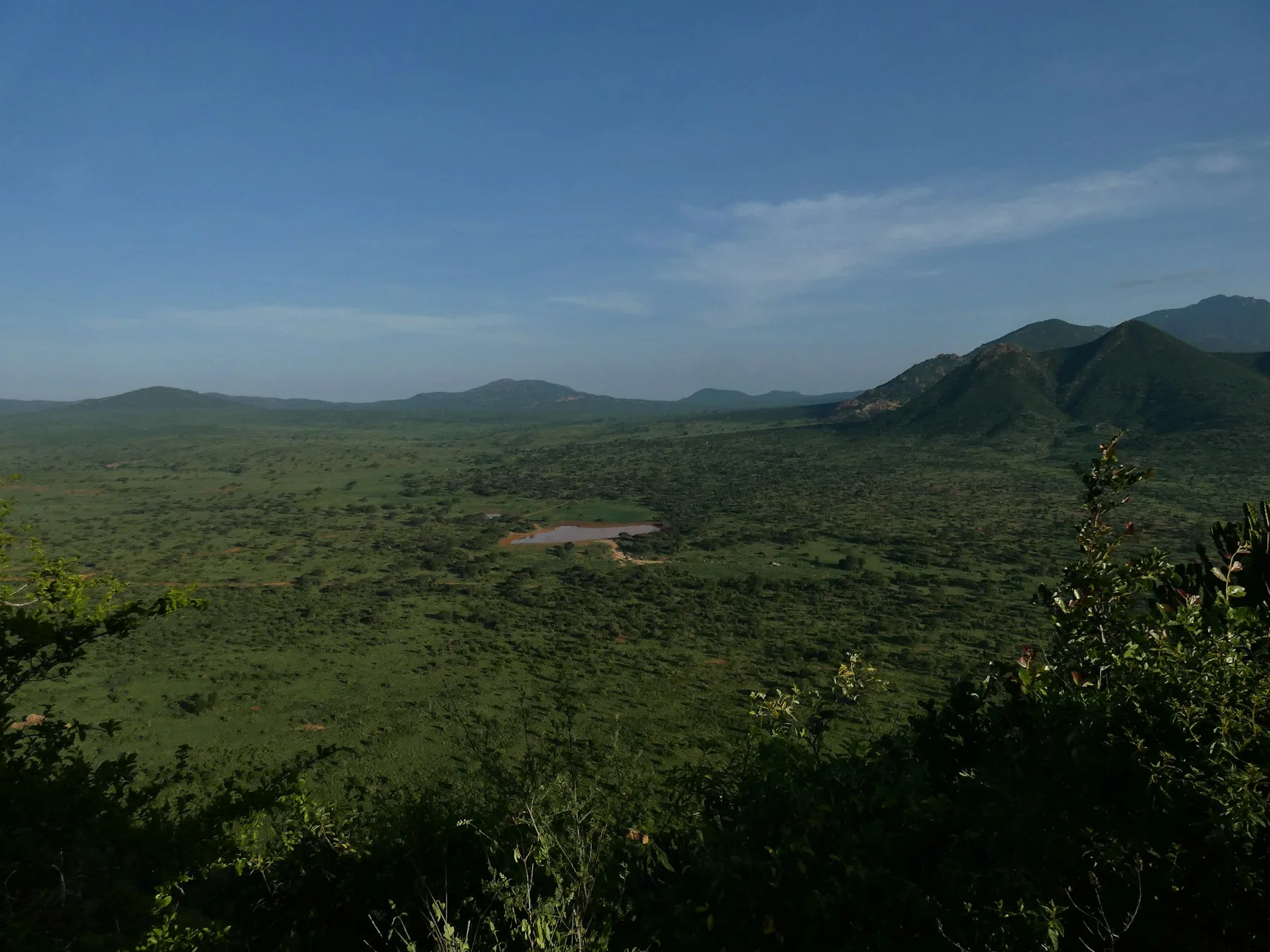
These examples are not packages. They show how the same number of nights can lead to different choices.
First-time couple: elephants and the Mara
Shape: Three nights in Amboseli, three nights in a Mara reserve or conservancy setting and one Nairobi night placed where the international flights require it.
Why: Amboseli and the Mara deliver a strong ecological contrast. Three nights in each protects two full viewing days. The Nairobi night can absorb an airport change or late international arrival.
Access: Road to one area and fly the awkward sector, or fly both when time matters more than countryside. A full road combination is possible but needs an honest transfer plan.
Left out: Naivasha and Nakuru. They are worthwhile, but adding both would change the safari from two substantial stays into a moving circuit.
Family: fewer moves and space to stop
Shape: One Nairobi recovery night, four nights at an Amboseli or Laikipia property with family rooms and a pool, then two nights in a second nearby experience or at the beginning of a longer coast stay.
Why: The family settles instead of repacking. A private vehicle provides snack, bathroom and return-time flexibility. The pool and lighter afternoon prevent wildlife viewing from becoming compulsory.
Access: A private road vehicle if luggage and stops matter, or one simple flight if the children enjoy flying and the baggage fits.
Left out: The pressure to include the Mara only because it is famous. The Mara can be the centre of a different family trip when room and vehicle arrangements fit.
Repeat visitor or photographer: dry north and quieter Mara
Shape: Three or four nights in Samburu or a Laikipia conservancy, followed by three or four nights in a quieter Mara conservancy.
Why: Northern species and landscapes provide true contrast. Longer stays improve chances for behaviour and allow photography to follow light rather than transfer timetables.
Access: Fly where schedules connect; reserve a private vehicle at the locations that matter most.
Left out: Amboseli, Tsavo and the coast. They belong in another journey rather than a seven-night compromise.
| Same seven nights | Couple | Family | Photographer or repeat visitor |
|---|---|---|---|
| Main priority | Two iconic but contrasting wildlife settings | Space, flexibility and low packing load | Distinct habitats and patient viewing |
| Number of bases | Two safari bases plus Nairobi if needed | One main base and one gentle extension | Two substantial safari bases |
| Best spend | Location and elegant transfer | Private vehicle and family room | Private vehicle, guide fit and more nights |
| Deliberate omission | Extra Rift Valley stops | Mandatory famous-park checklist | Southern and coastal additions |
Build a route around my priorities
Tell us who is travelling, what matters most, the pace you enjoy and the choices you would rather not compromise.
What can stay flexible and what should be secured early
Exact game-drive timing, picnic days and the balance between morning and afternoon viewing can often remain flexible. The guide can respond to weather, wildlife and energy.
Other pieces need commitment:
- Peak-season rooms in small camps
- Family units and interconnecting rooms
- Private vehicles at fly-in camps
- Specialist or language guides
- Scheduled safari flights with limited seats
- Private charters and aircraft type
- Festive dates and migration weeks
- Exclusive-use villas and houses
Booking early does not require locking every minute. It protects the scarce pieces while leaving daily life in the safari responsive.
What a useful proposal should make clear
A tailor-made proposal should let you understand the journey without decoding it.
For each day, look for the exact property, room type, meal plan, transfer mode, private or shared vehicle arrangement, park or conservancy access and included activities. It should state which flights, fees, drinks, laundry, tips, visas, insurance and optional experiences are excluded.
The price should match the traveller count and rooming. Payment and cancellation terms should be visible before the deposit. If a named camp is unavailable, the alternative should be discussed rather than quietly substituted.
Clear detail is not paperwork for its own sake. It is how a tailored promise survives the journey from conversation to booking.
A traveller’s reminder that pace is personal
One traveller returned to an itinerary discussion after completing the route and wrote: “Actually, itinerary was great, we had a great time.” Read the original discussion.
Others in the same discussion worried about too many hours in the vehicle. Both responses can be true. Some people enjoy the changing countryside and frequent stops. Others arrive at each lodge depleted. A tailor-made plan does not declare one pace correct. It makes the trade-off visible and lets the travellers choose it knowingly.
Talk to a Kenya safari planner
Tell us who is travelling, what matters most, the pace you enjoy and the choices you would rather not compromise.
Frequently asked questions
How far in advance should we plan a tailor-made Kenya safari?
Peak migration dates, festive periods, family rooms, private vehicles and small camps reward early planning. Outside the busiest periods, there may be more flexibility, but flights and preferred properties can still fill.
Is a tailor-made safari always private?
No. The route can be customised while scheduled flights and lodge game drives remain shared. Private vehicles, charters and exclusive-use accommodation should be identified separately.
Can we mix mid-range and luxury camps?
Yes. Mixing levels can place more budget in the location, vehicle or special stay that matters most while keeping transit nights simple.
How many parks should we visit in seven nights?
Two substantial wildlife areas usually create a comfortable shape. A third can work when it connects naturally, but repeated one-night stays often reduce useful safari time.
Can a Kenya safari include the beach?
Yes. Amboseli and Tsavo connect naturally toward the coast, while Mara and northern routes may use flights or Nairobi. Give the beach enough nights to feel like a stay rather than another transfer.
Can you plan for dietary or mobility needs?
Many needs can be accommodated when details are known early. Vehicle access, aircraft doors, room paths, bathroom layout, kitchen practice and medicine storage all need specific confirmation.
Is flying always better than driving?
No. Flying protects time, while driving adds landscape, guide continuity and luggage freedom. Many well-designed safaris use both.
Can the itinerary change after booking?
Some daily details remain flexible, but confirmed rooms, flights and private services have conditions. Material changes can affect availability and price.
Design your tailor-made Kenya safari
Tell us who is travelling, what you want to feel and see, the pace you enjoy and the budget choices you would like us to protect.