
Fly-In Masai Mara Safari: From Wilson Airport to the Wild
The city falls away, the Rift Valley opens below and, not long after, a dirt airstrip appears in the grass. The flight is short. Choosing the correct airstrip is where the planning lives.
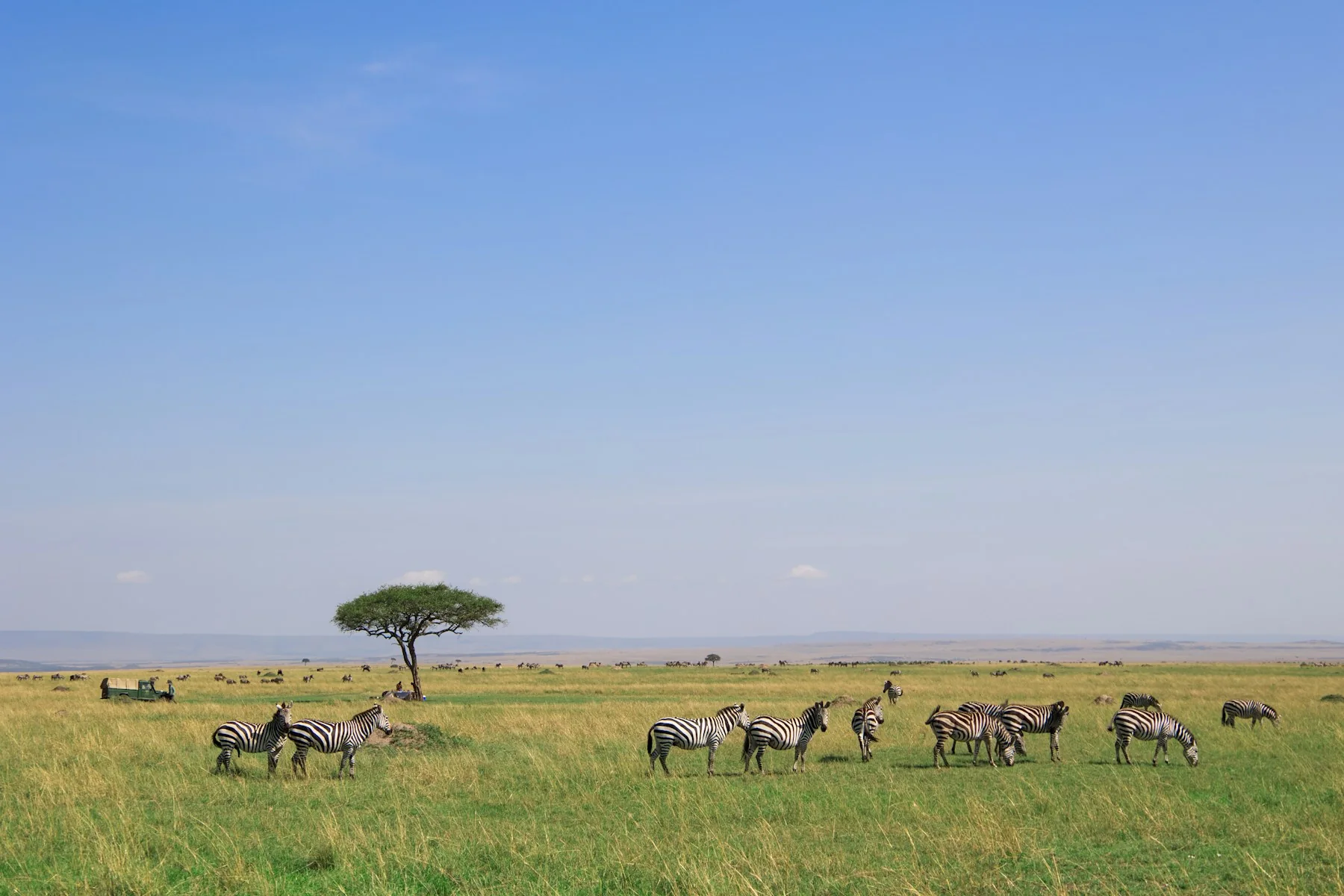
A fly-in Masai Mara safari protects time and energy, especially for a short stay, a honeymoon, a family journey or a safari followed by the coast. The best version connects the airport, aircraft, airstrip, camp and game-drive vehicle as one smooth route.
- How the Nairobi to Mara journey works
- Masai Mara airstrips and the areas they serve
- The 15 kg soft-bag rule
- Landing, transfer and the first afternoon
- Shared camp drives versus a private vehicle
- Two, three or four nights by air
- International flights and coast connections
- Families, honeymooners, older travellers and photographers
- How fly-in safari pricing works
- A fly-in arrival day compared with the road
- Traveller opinions
- FAQs
How the Nairobi to Mara journey works
Most international travellers arrive through Jomo Kenyatta International Airport, while scheduled safari aircraft generally depart from Wilson Airport. The two airports are on different sides of Nairobi traffic. A same-day connection can work when the international arrival is early and the buffer is generous, but one Nairobi night is often kinder after a long-haul flight.
At Wilson, check-in is simpler than a large international terminal, yet baggage and reporting times still matter. The aircraft may be a small turboprop. Seating can be assigned by the crew for weight and balance. Once airborne, the city gives way to escarpments, farms and open rangeland before the pilot begins a sequence of bush airstrips.
| Stage | What happens | Planning detail |
|---|---|---|
| JKIA to Wilson | Private road transfer across Nairobi | Allow for immigration, bags and traffic |
| Wilson check-in | Baggage weighed and flight prepared | Soft bags and airline reporting time |
| Safari flight | Direct sector or several airstrip stops | Read the full routing |
| Airstrip to camp | Camp vehicle meets the aircraft | Confirm transfer length and drive type |
Masai Mara airstrips and the areas they serve
Keekorok and Ol Kiombo serve central and eastern reserve areas. Musiara is useful for the northern reserve and Governors’ camp region. Mara Serena serves the Triangle side, while Kichwa Tembo and Angama-area access suit western properties. Mara North, Naboisho, Ol Seki and other conservancy airstrips connect camps on community conservation land.
An airstrip is not an airport terminal. It may be a graded strip with a small shelter and several camp vehicles waiting. The same aircraft can drop guests at more than one strip. The camp, not a map search, should tell you where to land because local roads, river crossings and seasonal track conditions affect the real transfer.
| Area | Example strips | Useful for |
|---|---|---|
| Central and eastern reserve | Keekorok, Ol Kiombo | Reserve camps and central game areas |
| Northern reserve | Musiara | Musiara Marsh and northern camps |
| Western Mara | Mara Serena, Kichwa Tembo area | Triangle and escarpment properties |
| Conservancies | Mara North, Naboisho, Ol Seki and others | Camps with conservancy access |
The 15 kg soft-bag rule
AirKenya publishes a 15 kg total allowance per passenger in soft-sided bags, with hand luggage included in that figure. The reason is physical: safari aircraft have small, irregular holds. A hard suitcase that fits an airline conveyor may not fit the aircraft. Safarilink and other operators publish their own terms, so the ticketed carrier always has the final word.
Leave a hard case at the Nairobi hotel, pack one soft safari bag and carry medicine, documents and batteries where you can reach them. Photographers should discuss equipment weight before travel. Paid excess, freight or an additional seat may be possible on some services, but none should be assumed at the airstrip.
Landing, transfer and the first afternoon
A camp guide normally meets the aircraft and loads the soft bags into an open or enclosed safari vehicle. The transfer may take fifteen minutes or more than an hour, depending on the strip, property and wildlife stops. In good conditions it becomes the first game drive. In rain, black-cotton soil and river levels can change the route.
Ask whether lunch waits at camp, whether the vehicle is shared and when the afternoon drive leaves. A late arrival at a distant strip can mean choosing between a rushed meal and joining a fixed shared drive. Private guiding removes much of that pressure because the guide can read the arrival time and shape the afternoon around you.
Shared camp drives versus a private vehicle
Many fly-in camp rates include shared game drives. They can be sociable and well guided, but the departure time, picnic plan and length of each sighting belong to the group. Honeymooners, families with young children and serious photographers often value an exclusive vehicle even when it adds to the cost.
Confirm the maximum number of guests, seat layout, whether everyone has a window, and whether the same guide stays with you. In a conservancy, the vehicle may offer night drives and walks in addition to daytime drives. Reserve visits may require separate fees and a longer day from the conservancy.
| Drive plan | Advantage | Trade-off |
|---|---|---|
| Shared camp drives | Included value and camp guide knowledge | Fixed group pace |
| Private camp vehicle | Full control after landing | Additional cost |
| Private road safari | One guide from Nairobi and flexible luggage | Long road sectors |
| Fly one way, drive one way | Balance of time and landscape | More complex logistics |

Two, three or four nights by air
Two nights by air can provide an arrival-day drive, one full day and a final morning. It is a real safari, but weather or a delayed flight leaves little slack. Three nights creates two substantial wildlife days and feels much more settled. Four nights allows a balloon morning, a conservancy activity or a slow afternoon without stealing the only full day.
For a special journey, resist changing camps after one or two nights unless the second location changes the landscape or activity rules. Packing, flying and waiting at an airstrip can consume the very time you paid to save.
International flights and coast connections
Do not place a bush flight and an international departure back to back without a realistic road transfer and delay margin. An overnight near Wilson or JKIA can be the calmest ending. If Diani, Mombasa, Malindi or Zanzibar follows, check the operating day, intermediate stops and final airport rather than assuming every coast service runs daily.
The international ticket, bush ticket and ground transfer may be issued by different companies. Keep all contacts together and make one planner responsible for the chain. If a schedule changes, that person should know the camp departure time, airline booking and onward flight.
Families, honeymooners, older travellers and photographers
Families save children from a long, bumpy road and arrive with more energy, but small aircraft can be noisy and exciting. Explain the flight, carry ear protection if helpful and keep snacks within airline rules. Older travellers and anyone with back discomfort often prefer flying, though boarding steps and uneven airstrip ground should be discussed.
Photographers gain time but face the tightest luggage decisions. Honeymooners gain a cinematic arrival and can pair it with a private vehicle. Travellers who want to see rural Kenya, carry large luggage or keep one guide throughout may still prefer the road.

How fly-in safari pricing works
The total combines return or one-way air fares, Wilson transfers, camp transfers, room and meals, park or conservancy fees, game drives and perhaps an exclusive vehicle. Some high-end camps bundle drinks and laundry, while others price them separately. A package should say which parts are shared.
The flight can be good value when a two or three-night trip would otherwise spend two large days on the road. For four to six people, a private road Land Cruiser may cost less per person. Compare usable safari hours and energy, not only transport price.
A fly-in arrival day compared with the road
A road departure often leaves Nairobi before sunrise and reaches the Mara after lunch, depending on traffic, stops and the final road. The first drive may begin in the late afternoon. A morning flight from Wilson can place travellers at a Mara airstrip in time for a transfer drive and lunch, leaving the afternoon open. The exact advantage depends on flight time, intermediate stops and how far the camp is from the strip.
The flight does not eliminate every transfer. A hotel to Wilson journey, check-in, airstrip stops and camp vehicle transfer still belong to the day. What it usually removes is several hours of highway and rough road. That difference can be decisive for a two-night stay, less important for a longer trip, and especially valuable before or after an international flight when fatigue is already high.
For a family or honeymoon, the saved energy may matter more than the clock. For a group of five with generous luggage and a love of road travel, a private Land Cruiser may remain the better experience. Compare the whole day honestly: pickup, airport, flight, airstrip, camp and first drive versus one continuous guided road journey.
| Question | Fly-in answer to confirm | Road answer to confirm |
|---|---|---|
| When does the first drive begin? | After the nominated airstrip transfer | After gate entry and camp arrival |
| Who guides the safari? | Camp guide, shared or private | Usually the same private guide from Nairobi |
| What luggage works? | Soft bag within airline allowance | More generous vehicle space |
| Where can delays occur? | Airport, weather and airstrip sequence | Traffic, stops and road condition |
What travellers say after the trip
These are exact words from public reviews and discussions. Each person had their own route, budget and expectations, so the value is in the detail rather than treating one experience as a promise.
The flight will save you a significant amount of (bumpy road) travel time as an FYI… something to consider if you only have 3 days
A repeat safari traveller explaining why a short Mara visit can benefit from flying.
The third time I had the joy of doing a fly-in safari…it was an amazing experience.
A traveller comparing two road safaris with a later fly-in stay.
The flights were a great experience and really allowed us to not get tired.
A family of four reporting back after changing several long road sectors to domestic flights.
An independent aviation traveller flies from Wilson to the Mara
Aviation reviewer Sam Chui recorded the check-in, aircraft, cockpit, Mara approach and Keekorok landing on an AirKenya flight. The film is especially useful for first-time bush flyers who want to see the aircraft size and airstrip arrival before travelling.
Fly-in Masai Mara safari questions
Which Nairobi airport do Mara flights use?
Scheduled safari flights commonly use Wilson Airport. International flights usually use Jomo Kenyatta International Airport, so a road transfer and sensible buffer are needed.
How much luggage can I take?
AirKenya publishes a 15 kg total allowance in soft-sided bags, including hand luggage. Always check the operating airline because rules and paid excess options can differ.
How long is the flight?
A direct sector is often around an hour, but the aircraft may make several airstrip stops. The confirmed schedule matters more than a single advertised duration.
Which Mara airstrip should I choose?
Use the strip nominated by the camp. Keekorok, Ol Kiombo, Musiara, Mara Serena, Kichwa Tembo and conservancy strips serve different areas.
Are game drives included after landing?
They can be. Confirm whether transfers and drives are shared with other camp guests or private to your party.
Can children take safari flights?
Yes, subject to airline rules and fares. Families should also plan seats, baggage, car seats for Nairobi transfers and the camp drive schedule.
Can I fly directly to Diani after the Mara?
Some seasonal or connecting services can link safari regions and the coast. The exact date and operating schedule must be checked before the itinerary is built around it.
What happens if weather delays the flight?
Keep buffer before an international departure and make sure the ground team, camp and airline contacts are connected.
Is flying better than driving?
Flying saves energy and time. Driving costs less for a group, carries more luggage and shows more of rural Kenya. The right choice depends on days, budget and comfort.
Can I fly one way and drive the other?
Yes. A one-way flight can protect time while the road sector adds scenery and a continuous private guide.
Sources and further reading
Official park, heritage, tourism, aviation and regulatory sources support the practical details in this guide.
Let the flight make the safari easier
Share the international flights, camp style and number of Mara nights. We will connect the right airstrip, transfers and game-drive arrangement without loose ends.
Plan a fly-in Mara safari
Dates, Nairobi hotel or flight details, traveller count and preferred camp style are enough to begin.