
Masai Mara Big Five Guide: Where the Famous Five Fit Into the Mara
Lion tracks cross the road, buffalo disappear into dark grass and a leopard may be present long before anyone finds it. The Big Five are not a checklist with equal odds.
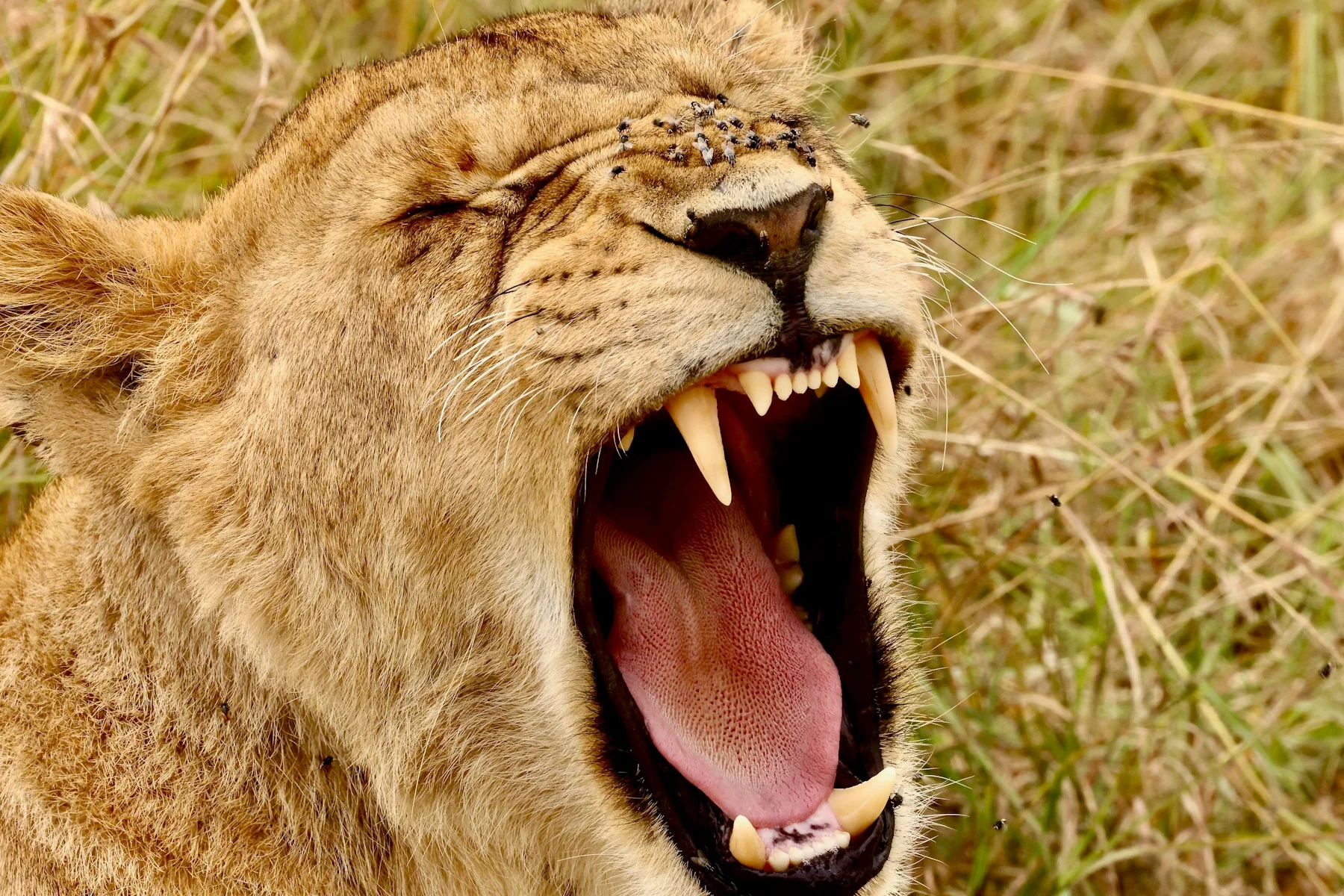
This Masai Mara Big Five guide explains lion, leopard, elephant, black rhino and African buffalo without pretending that one game drive can order them into view.
- What Big Five means
- Lion: the visible social predator
- Leopard: present, private and difficult to read
- Elephant: family life across the ecosystem
- Black rhino: rare, sensitive and never a promise
- African buffalo: herd power and old bulls
- Where and when to look
- What you miss when the list takes over
- Tracks, alarm calls and the clues behind a Big Five sighting
- Traveller opinions
- FAQs
What Big Five means
The Big Five label came from colonial-era hunting and referred to animals considered dangerous to pursue on foot. Today, tourism uses the term as a wildlife checklist. That history deserves acknowledgement, especially in a landscape where living animals, community land and conservation work matter more than collecting five names.
The Mara holds all five, but not in equal numbers or visibility. A safari becomes richer when the list opens the door to behaviour, habitat and conservation rather than ending the conversation. Cheetah, wild dog, giraffe, hyena and hundreds of birds are not lesser because they sit outside an old phrase.
| Big Five animal | General visibility | Habitat clue |
|---|---|---|
| Lion | Often seen | Plains, marsh edges and prey-rich sectors |
| Elephant | Often seen | Woodland, rivers, grassland and water |
| Buffalo | Often seen | Grassland, marsh and water access |
| Leopard | Elusive | Riverine woodland, thickets and trees |
| Black rhino | Rare and sensitive | Selected protected sectors and cover |
Lion: the visible social predator
Lions live in prides of related females and young, while males may form coalitions and hold territories for a period. The Mara’s open country makes resting, hunting and social behaviour visible, but lions still move with prey, water and territorial pressure. Dawn and evening often bring activity, while midday may be spent flat in grass.
Stay quiet around cubs, hunts and mating animals. Vehicles should not block movement or surround a pride. A famous individual can draw a crowd, yet an unknown lion doing something natural may be the better sighting. Ask the guide about territory and relationships instead of only the animal’s name.
Look for
Tracks, vultures, prey attention and tawny shapes at grass edges.
Watch for
Greeting, scent marking, cub play, hunting roles and pride tension.
Give space
Hunts, cubs, mating pairs and animals crossing roads.
Leopard: present, private and difficult to read
Leopards use cover, river lines, wooded drainage and trees. They are solitary and can disappear a few metres from a road. Guides search for tracks, alarm calls, baboon behaviour, impala attention and the silhouette of a tail or cached prey. Patience matters more than racing between reported locations.
A leopard may rest in a tree, walk a riverbank or remain hidden with cubs. Never pressure the guide to push into cover or crowd an exit. The moment it changes direction because of vehicles, the sighting has already become less valuable.
Elephant: family life across the ecosystem
Elephant herds are usually built around related females and calves, while mature bulls may travel alone or in loose association. The Mara is used for feeding, water, movement and social contact. Watch how calves remain protected, how trunks investigate scent and how the herd communicates through posture and low sound.
An elephant does not need to charge to show discomfort. Ear position, head posture, a changed walking line and a protective adult can be warnings. The guide should leave the animal an open route and avoid cutting between family members. Quiet distance often brings the herd closer on its own terms.
| Behaviour | Possible meaning | Vehicle response |
|---|---|---|
| Calves gathered inside herd | Adults protecting young | Hold distance and route |
| Head high, direct attention | Heightened awareness | Stop advancing |
| Feeding continues calmly | Vehicle is tolerated | Stay quiet and still |
| Animal changes path repeatedly | Pressure or uncertainty | Create more space |
Black rhino: rare, sensitive and never a promise
The Mara’s black rhinos are a conservation priority. Their locations can be sensitive because poaching remains a threat. Guides may avoid broadcasting exact positions, and responsible travellers should not post live coordinates or identifiable location details online.
A rhino sighting can be distant and brief. Thick cover, wind and animal movement influence visibility. Binoculars and a longer lens help without pressing closer. The rarity is part of the lesson: conservation success is not a reason to turn a vulnerable animal into a guarantee.
- Do not share live locations
- Avoid geotagging sensitive sightings
- Accept a distant view
- Keep the vehicle on permitted tracks
- Follow ranger and guide instructions

African buffalo: herd power and old bulls
Buffalo gather in herds that can hold many animals, while older bulls may form small groups or rest near water and cover. Oxpeckers work over their hides. Calves stay protected within the herd, and lions may test the edges. The interaction between buffalo and predators can be intense.
A resting buffalo may look placid but deserves distance. Thick grass can hide animals close to the road. On a walk, the guide’s wind awareness and instructions are essential. From a vehicle, watch herd movement instead of trying to split a path through it.
Where and when to look
Reserve, Triangle and conservancy landscapes all hold Big Five habitat. Lions may be visible across open prey-rich country. Leopards favour riverine cover. Elephants and buffalo move with forage and water. Rhino distribution is more restricted and sensitive. Rain changes grass height, water and road access.
Three nights give several dawn and evening chances. Four or five nights allow the guide to explore more than one habitat without turning every drive into a race. A split stay can add variety, but the move should connect neighbouring areas and preserve wildlife hours.
| Stay length | Big Five approach | Reality |
|---|---|---|
| 2 nights | One full day and local sectors | Strong introduction, limited range |
| 3 nights | Multiple cool-hour drives | Good balance for first visit |
| 4 to 5 nights | Different habitats and slower sightings | Best for depth and photography |
| 6+ nights | Reserve plus conservancy or Triangle | Broad experience, never a guarantee |
What you miss when the list takes over
Cheetahs scanning from a mound, hyenas greeting at a den, jackals pairing, giraffes browsing, topi standing sentinel and secretary birds hunting can become the memories that define a trip. The migration is built from wildebeest and zebra, neither of which belongs to the Big Five.
Tell the guide the list interests you, then give them freedom to interpret the day. A thoughtful safari returns with stories about relationships and decisions, not only five photographs that prove the vehicle arrived.

Tracks, alarm calls and the clues behind a Big Five sighting
A Big Five drive begins before an animal is visible. Fresh lion tracks show direction and whether a paw print belongs to a large male or smaller pride member. Hyena whoops, vultures descending and prey staring into one patch of grass can narrow the search. Leopards are often found through impala or baboon alarm calls, drag marks and the outline of a tail in riverine cover. The radio helps, but fieldcraft turns a reported location into understanding.
Elephants and buffalo leave obvious tracks, dung and feeding signs, yet the important skill is reading mood and movement. Broken branches show where elephants fed, while fresh wet dung can indicate recent passage. Buffalo herds raise dust and attract oxpeckers. A guide chooses a position that leaves the herd room to cross. Driving into its path may produce a closer photograph but poorer behaviour and more risk.
Black rhino tracking is different because security comes first. Exact locations may remain private, and responsible guides will not broadcast sensitive details. Wind, cover and distance can make the animal difficult to see. Accept binocular views and never post a live geotag. A safari has not failed if rhino remains unseen. The Mara’s conservation story is more important than completing a list.
The best strategy is to give the search several dawns and evenings. Cats often use cooler hours, while elephants and buffalo can be active throughout the day around food and water. Spend time with common species because their behaviour may reveal predators. Combine this guide with the complete Mara wildlife guide so the Big Five sit within the wider ecosystem rather than replacing it.
Photography should follow the animal rather than force it. A wider image can show a lion within grass, an elephant family’s spacing or a buffalo herd crossing dust. Use a longer lens, keep the engine quiet where practical and wait for behaviour. Repeated repositioning may block other vehicles and change an animal’s path. If the sighting becomes crowded, one calm minute on the outside often tells a better story than ten minutes in the centre.
Children can enjoy a Big Five theme when it becomes a detective game instead of a completion test. Let them identify tracks, compare herbivore horns, watch oxpeckers and record questions for the guide. Shorter drives, snacks and a private vehicle help. A family that misses a rhino but understands why its location is protected has learned something more valuable than a hurried tick on a list.
| Animal | Clues a guide may read | Responsible response |
|---|---|---|
| Lion | Tracks, roars, prey attention and vultures | Approach slowly and leave hunting space |
| Leopard | Alarm calls, river cover and cached prey | Wait quietly without pushing into thickets |
| Elephant | Dung, feeding damage and pathways | Leave family groups an open route |
| Black rhino | Protected local knowledge and habitat | Keep distance and never share a live location |
| Buffalo | Tracks, dust, oxpeckers and herd movement | Do not split or block the herd |
What travellers say after the trip
These are exact words from public reviews and discussions. Each person had their own route, budget and expectations, so the value is in the detail rather than treating one experience as a promise.
Nothing really prepares you for the sight.
A traveller remembering zebra herds and a lion pride during migration season.
It’s rough to be in a jeep for so long for so many days imo.
A traveller giving an honest warning about safari fatigue, followed by the observation that a quiet drive can turn extraordinary in a moment.
Having lions serenade me every night was an experience I will never forget.
A traveller describing a stay in Mara North Conservancy.
Masai Mara Big Five questions
What is the most important thing to know about the Masai Mara Big Five?
The Big Five are lion, leopard, elephant, rhinoceros and African buffalo. The old term came from hunting difficulty and is now used in wildlife tourism.
How many nights should I stay?
Three nights is a strong minimum. Four or five nights create more room for quiet sectors, weather and patient sightings.
Is wildlife guaranteed?
No. The Greater Mara is a wild ecosystem. A good guide improves understanding and positioning without turning animals into promises.
Should I stay in the reserve or a conservancy?
Different habitats favour different species. A longer stay or two complementary Mara settings improves range without guaranteeing the list.
Is a private vehicle worth it?
Yes for photographers, families and travellers who want control over pace. Shared drives cost less but follow group decisions.
What is the best time to visit?
The Mara has resident wildlife throughout the year. Migration months are famous, while green months bring fewer vehicles and beautiful landscapes.
Can children enjoy this?
Yes. Plan shorter drives, flexible meals, toilet breaks, safe rooms and age-appropriate explanations.
What lens should I bring?
A flexible telephoto zoom and a wider lens cover most situations. A beanbag is more practical than a tripod inside a vehicle.
How can I view wildlife responsibly?
Keep noise low, leave animal corridors open, follow park rules and never pressure a guide to crowd or chase an animal.
Can NLS Safaris customise the trip?
Yes. Route, camp, vehicle, activities and number of nights can be shaped around your interests and dates.
Sources and further reading
Official park, heritage, tourism, aviation and regulatory sources support the practical details in this guide.
Plan for habitats, not a rushed checklist
Tell us your wildlife interests and number of nights. We will match the guide, vehicle and Mara area to them.
Plan a wildlife-focused Mara safari
Share dates, group size and whether cats, elephants, rhino, photography or general diversity matters most.