
How to Avoid Crowds in the Masai Mara Without Missing the Wildlife
The Mara is famous, not empty. Yet a dawn with no other engine, one patient hour beside elephants or a quiet conservancy track is still entirely possible.
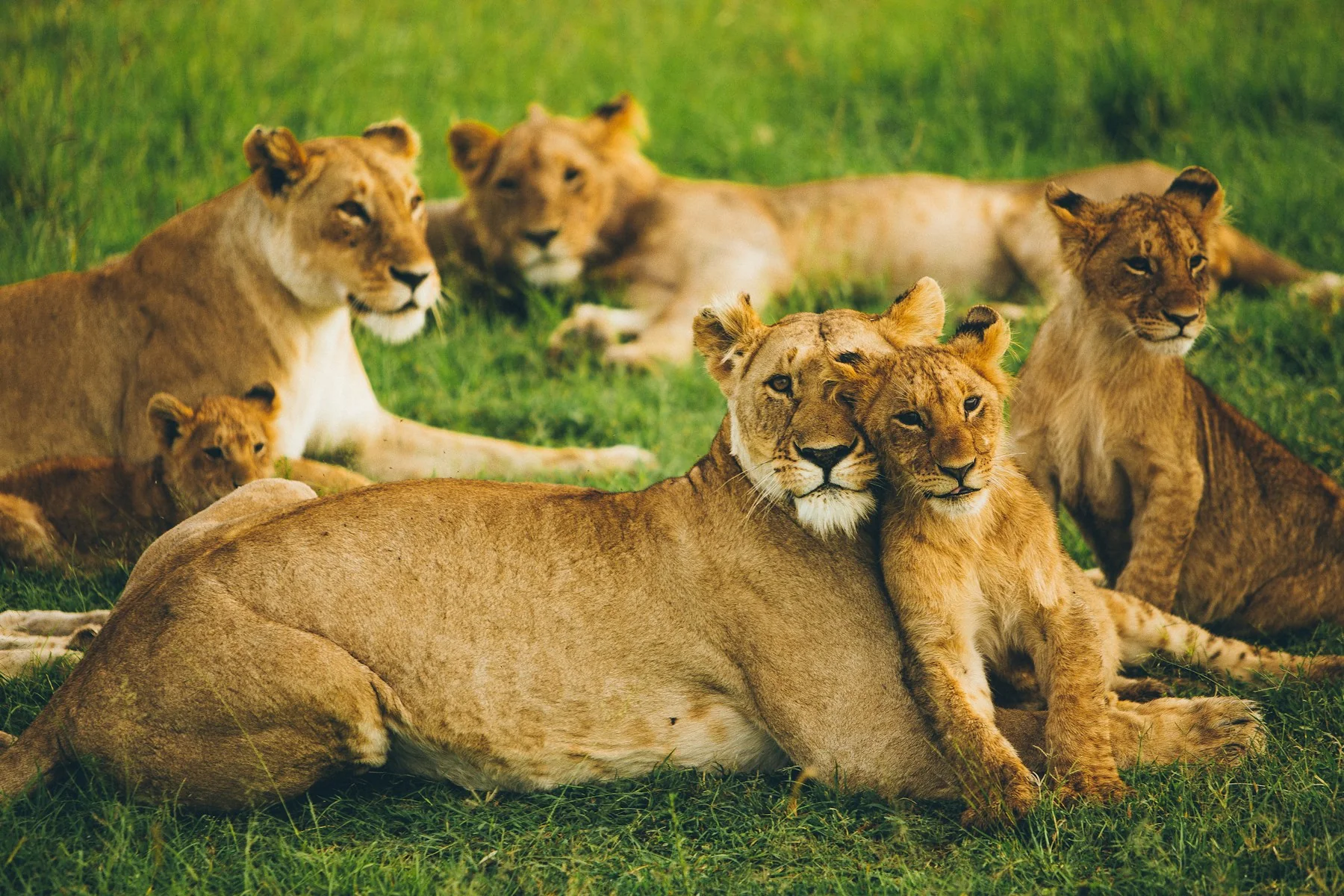
Learning how to avoid crowds in the Masai Mara begins by letting go of one idea: the busiest river crossing or most famous cat is not automatically the best moment of the safari.
- Why the Mara becomes crowded
- Travel when the Mara is green or in between peaks
- Stay in a private conservancy
- Use the Mara Triangle and western sectors thoughtfully
- Book a private vehicle and the right guide
- Leave before the convoy and eat later
- Know when to leave a sighting
- Sample itinerary for space and variety
- A practical crowd-avoidance plan for each safari day
- Traveller opinions
- FAQs
Why the Mara becomes crowded
The Mara is compact, accessible and rich in wildlife. In migration months, many camps, lodges and day visitors converge on the same reserve roads. Guides communicate about predators and river gatherings, so a single lion, leopard or cheetah can attract vehicles quickly. The crowd is not spread evenly across the ecosystem.
A vehicle cluster can still form outside high season when a famous animal appears near an easy road. Conversely, a July morning can feel empty in a less fashionable sector. Crowding is created by date, road network, camp density, animal location and human decisions. That gives the traveller several ways to change it.
| Crowd driver | What it looks like | Planning response |
|---|---|---|
| Peak migration demand | Many vehicles near rivers and central cats | Stay longer and mix reserve with conservancy |
| Famous individual animal | Guides converge on one known location | Value behaviour over names |
| Easy road access | Sightings close to gates draw day traffic | Start earlier or explore farther |
| Short itineraries | Everyone visits the same highlights | Use four nights and flexible sectors |
Travel when the Mara is green or in between peaks
April, May and parts of June bring greener plains, rain and fewer visitors. Roads can become muddy and some camps close, but a capable vehicle and flexible guide turn the season into an advantage. Skies are dramatic, young animals appear and the absence of dust can create beautiful photographs.
January to March often offers strong resident wildlife and drier conditions without the full migration-season rush. November and early December can be fresh after short rains, outside holiday peaks. If river crossings are the only dream, accept more people. If the Mara itself is the dream, consider the rest of the year.
| Period | Crowd tendency | Character |
|---|---|---|
| January to March | Moderate | Resident cats, warm days and cooler dawns |
| April to June | Low | Green landscape, rain and variable roads |
| July to October | High near migration action | Herds, river interest and peak demand |
| November to December | Variable | Short rains, fresh grass and holiday spikes |
Stay in a private conservancy
Conservancies such as Mara North, Naboisho, Olare Orok and Ol Kinyei work with member camps and landowners. Bed density and vehicles are managed through local agreements. That often creates quieter sightings, night drives, guided walks and a day that does not need to pass through a public gate.
A conservancy is not empty wilderness on demand. Wildlife moves and some mornings are slow. The advantage is space, guide freedom under conservancy rules and a smaller tourism footprint. Ask how many vehicles are allowed at one sighting, which camps share the land and how reserve visits are included.
Lower density
Fewer camp beds usually mean fewer vehicles working the same area.
More activities
Night drives and walks can shift attention beyond headline sightings.
Reserve option
Selected reserve days keep access to classic public sectors.
Use the Mara Triangle and western sectors thoughtfully
The Mara Triangle is the western part of the national reserve, separated from the eastern side by the Mara River and managed by the Mara Conservancy. Its western access and smaller number of inside accommodations can create a different traffic pattern from the eastern reserve. River areas still become busy during migration events.
Mara Serena and Little Governors’ are the only accommodations inside the Triangle. Other camps drive in under the appropriate arrangements. Check whether the quotation truly places you inside, how the Oloololo approach works and which river sectors are within a normal drive.
Book a private vehicle and the right guide
A private vehicle allows the guide to leave a crowded lion and spend an hour with elephants, birds or a quiet landscape. In a shared vehicle, one guest may want the famous sighting while another wants solitude. Neither preference is wrong, but the group must compromise.
Tell the guide early that you prefer respectful, uncrowded sightings even if that means seeing fewer headline animals. A confident guide will read tracks and behaviour rather than using the radio only. They will also keep a safe distance, leave animal corridors open and refuse the race when a crossing begins.
- Request private use in writing
- Agree on early departures
- Choose picnic or split drives flexibly
- Tell the guide that quiet matters
- Accept fewer checklist sightings
- Never reward rule breaking

Leave before the convoy and eat later
Dawn departures begin before many lodge breakfast services. Carry coffee and breakfast, or arrange a picnic. The first hour can feel spacious and animals may be active in cooler air. Late afternoon also improves when the vehicle stays out while others return for fixed dinner times.
A full-day drive can reach distant sectors after early traffic disperses, but it is not automatically quiet. Discuss current road and wildlife conditions with the guide. Sometimes the most private choice is a slow morning close to camp while everyone else drives across the reserve toward one rumour.
| Tactic | Benefit | Trade-off |
|---|---|---|
| Pre-breakfast departure | Quieter roads and cool-hour activity | Very early wake-up |
| Picnic breakfast or lunch | No need to follow lodge meal times | Simpler meal and longer vehicle day |
| Late return | Golden light after some vehicles leave | Later dinner or shower |
| Slow local drive | Time for tracks and behaviour | Fewer famous locations covered |
Know when to leave a sighting
A developing hunt, cub interaction or rare animal can justify patience even with several vehicles. The problem is not one shared sighting. It is when engines close every exit, vehicles jostle and the animal changes behaviour. Your guide should position once, keep space and leave if pressure grows.
Ask what else is nearby. A hyena den, elephant family, secretary bird or quiet riverbank may create a richer memory than the back of a famous leopard surrounded by roofs. Common species are only common until you stop long enough to see what they are doing.
Sample itinerary for space and variety
Spend three nights in a conservancy and one or two nights in the Triangle or reserve, or reverse the order. Use the conservancy days for local tracking, a walk, night drive and unhurried predator sightings. Use the reserve stay for a broad game-drive day and river country when seasonally relevant.
On a three-night trip, do not split camps unless the transfer is very short. One well-positioned conservancy base with a reserve day, or one western reserve base, protects more wildlife time. Quiet is lost quickly when every morning begins with luggage and checkout.
| Nights | Quiet-focused structure | Why |
|---|---|---|
| 3 | One conservancy or western reserve base | No camp move |
| 4 | One base plus one reserve day | Depth with broader access |
| 5 to 6 | Conservancy plus Triangle or reserve | Two distinct rule systems and landscapes |
| 7+ | Two Mara settings with rest time | Photography, activities and patience |
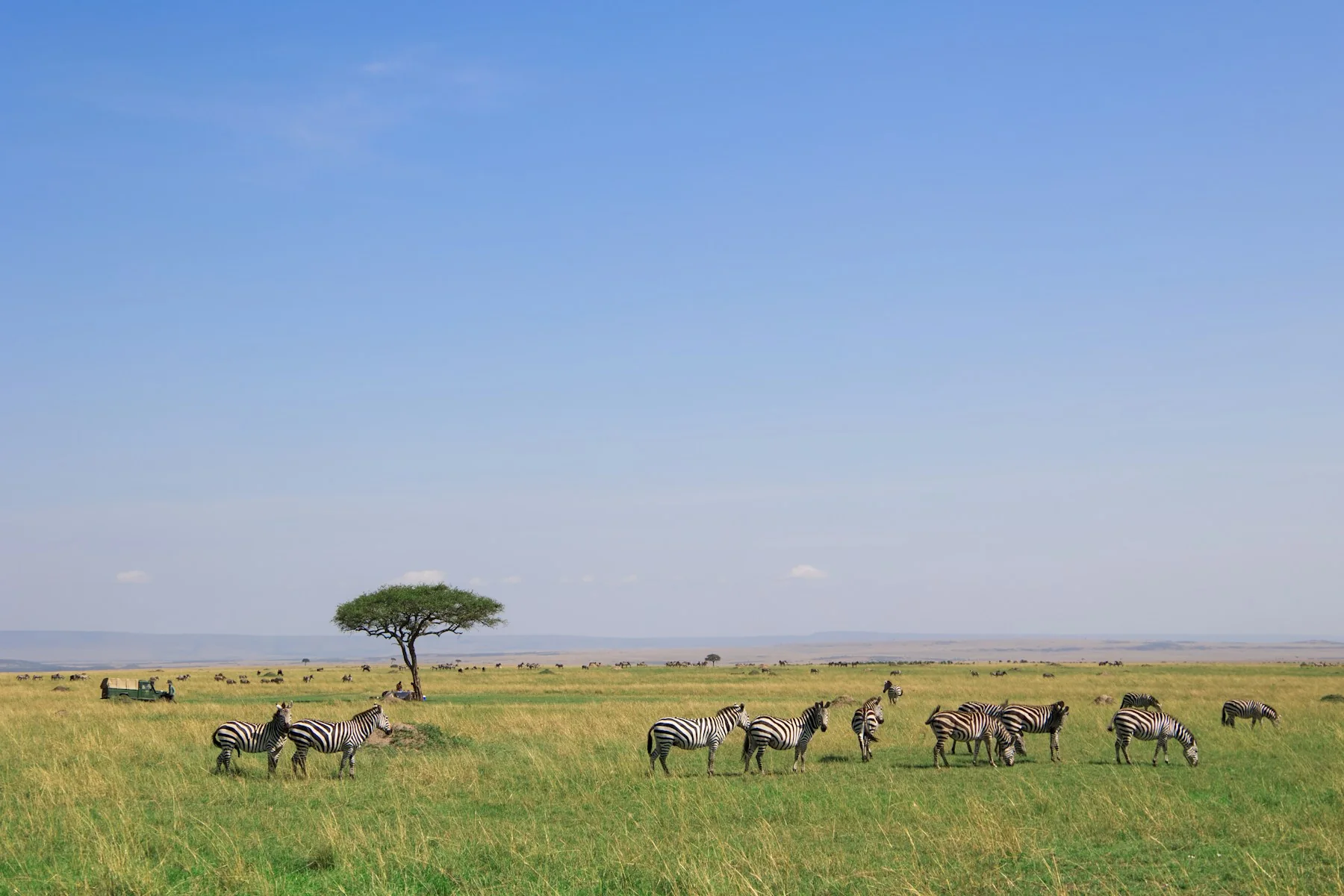
A practical crowd-avoidance plan for each safari day
On arrival day, resist the urge to chase the first radio call. Enter through the gate that belongs to the camp, explore the nearby habitat and learn where animals have been moving. The most congested first afternoon often comes from crossing the reserve simply because a famous pride was reported far away. A patient local drive can reveal elephants, plains game and cats while other vehicles race past. It also gives the guide information for the next morning.
On a full day, leave before the largest lodge groups if rules and the camp schedule allow. Carry breakfast or lunch when a distant sector genuinely deserves the time. At a crowded cat sighting, stay on the outer edge, keep an exit open and wait. Vehicles frequently leave after a few minutes. If pressure keeps building, ask the guide for another habitat rather than another famous name. Marshes, river bends and short-grass plains each hold different stories.
Split stays work only when the second base changes access. Two nights in a conservancy and two in the reserve can combine lower vehicle density, walks and night drives with public reserve river country. Moving between two camps that use the same gate adds packing without changing the day. Our private conservancy versus national reserve guide explains those activity and access differences.
During migration season, a private vehicle is the strongest tool because you can leave a crowded river bend, eat at a different time and spend a morning away from the crossing zones. No guide can promise solitude in peak weeks, but good decisions reduce the worst pressure. January, February, June and November can offer quieter combinations, depending on rain and holiday dates. The resident Mara remains rich even when the famous herds are elsewhere.
| Moment | Crowded choice | Quieter choice |
|---|---|---|
| First afternoon | Cross the reserve for one radio report | Read habitat close to camp |
| Dawn | Leave with the lodge convoy | Use a flexible private departure |
| Cat sighting | Push toward the centre | Wait at the edge or leave for another story |
| Lunch | Return to camp automatically | Carry a picnic when it unlocks a quieter sector |
| Camp move | Change rooms without changing access | Split reserve and conservancy for a real contrast |
What travellers say after the trip
These are exact words from public reviews and discussions. Each person had their own route, budget and expectations, so the value is in the detail rather than treating one experience as a promise.
The volume of vehicles watching the crossing will leave a bad taste in your mouth!
A traveller remembering the crowd around a major migration event.
That said we had a leopard all to ourselves.
The same traveller showing how a crowded migration trip can still contain a private, unexpected sighting.
a guide who knows where to go will have you at a sighting with no other vehicles anywhere near.
A traveller describing why local judgement mattered more than avoiding a famous park altogether.
Masai Mara crowd questions
What is the most important thing to know about avoiding Masai Mara crowds?
Choose the dates, land type, camp and guide for quiet rather than expecting every famous sighting to be private.
How many nights should I stay?
Three nights is a strong minimum. Four or five nights create more room for quiet sectors, weather and patient sightings.
Is wildlife guaranteed?
No. The Greater Mara is a wild ecosystem. A good guide improves understanding and positioning without turning animals into promises.
Should I stay in the reserve or a conservancy?
Conservancies are the clearest answer for lower vehicle density. Add selected reserve days when river country or public reserve sectors matter.
Is a private vehicle worth it?
Yes for photographers, families and travellers who want control over pace. Shared drives cost less but follow group decisions.
What is the best time to visit?
April to June and parts of November often feel quieter. January to March can also balance resident wildlife with lower demand than migration peaks.
Can children enjoy this?
Yes. Plan shorter drives, flexible meals, toilet breaks, safe rooms and age-appropriate explanations.
What lens should I bring?
A flexible telephoto zoom and a wider lens cover most situations. A beanbag is more practical than a tripod inside a vehicle.
How can I view wildlife responsibly?
Keep noise low, leave animal corridors open, follow park rules and never pressure a guide to crowd or chase an animal.
Can NLS Safaris customise the trip?
Yes. Route, camp, vehicle, activities and number of nights can be shaped around your interests and dates.
Sources and further reading
Official park, heritage, tourism, aviation and regulatory sources support the practical details in this guide.
Plan a Mara safari with room to breathe
Tell us your dates and tolerance for busy sightings. We will recommend areas, camps and drive arrangements that fit.
Plan a quieter Masai Mara safari
Share travel dates, number of nights and whether migration, cats, photography or simple solitude matters most.