
What to Pack for a Masai Mara Safari
A practical list built around cold dawns, strong sun, dust, rain, bush-flight limits, camera care and the things real travellers actually used.
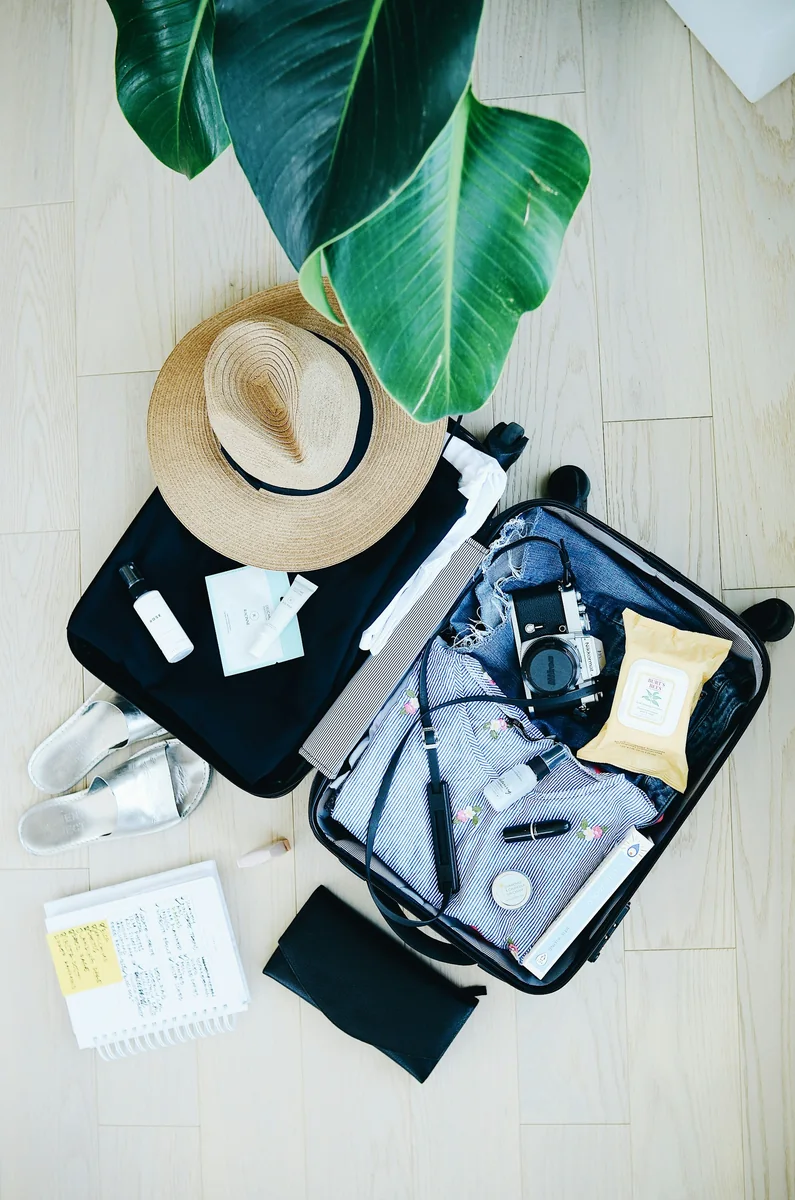
The alarm rings before sunrise. Outside the tent, the air is cool enough for a fleece. An hour later the roof is open, the dust is rising and the sun feels close. Deciding what to pack for a Masai Mara safari is really about dressing for all three moments without carrying a wardrobe between them.
You do not need to look like an old safari film. You need a soft bag if you fly, layers that peel off easily, comfortable shoes, sun protection, medicine, binoculars and a way to protect electronics from dust or a sudden shower. Everything else should earn its place.
What to pack for a Masai Mara safari: complete checklist
A four-night road safari and a fly-in safari followed by Diani Beach do not need identical bags. Check the smallest aircraft allowance, the expected weather, camp laundry, walking activities and whether Nairobi can store a larger suitcase. Then use this as the core list.
| Category | Pack | Why it earns space |
|---|---|---|
| Clothing | 3 to 4 light tops, 2 to 3 bottoms, fleece, waterproof shell, underwear and sleepwear | Layers handle cold wind before sunrise and warm afternoons |
| Footwear | Comfortable closed shoes, sandals or slides, socks | Most time is seated, but airstrips, camps and picnic areas are uneven |
| Sun and dust | Brimmed hat, sunglasses, sunscreen, SPF lip balm, buff or scarf | Open vehicles expose face, neck and lips for hours |
| Wildlife viewing | Binoculars, camera or phone, batteries, memory cards | Wildlife is often distant and the best action may be brief |
| Health | Prescription medicine, basic first aid, repellent, oral rehydration salts, insurance details | Bush camps are far from the pharmacy you know |
| Travel | Passport, eTA copy, tickets, payment cards, soft duffel, luggage scale | Documents and bag rules affect every transfer |
| Power | Type G adapter, charging cables, power bank, small torch | Charging hours and socket position vary by camp |
| Camp life | Swimwear if useful, simple evening outfit, reusable bottle, small wash bag | Mara camps are relaxed rather than formal |
Keep medicine, documents, valuables and one change of clothes in the personal bag. If an international suitcase is delayed, the first Mara morning should still be comfortable. Keep the bag compact enough to sit at your feet instead of taking a vehicle seat.
If you are also visiting Amboseli, Samburu, Laikipia or the coast, use our broader Kenya safari packing list to adjust for the full route.
A small safari wardrobe for 3, 5 or 7 nights
Muted colours such as olive, stone, khaki, grey, brown and dusty blue mix easily and hide red dust. There is no need to replace every ordinary shirt with purpose-built safari clothing. Breathable fabric, a comfortable waistband and pockets that close matter more than a matching beige outfit.
Long sleeves and trousers reduce sun, dust and insect exposure. A T-shirt underneath makes it easy to shed a layer when the day warms. Avoid heavy denim that holds dust, dries slowly and weighs down a bush-flight bag. Formal dinners are rare. Clean trousers, a shirt or a simple dress are enough at most camps.
| Item | 3 nights | 5 nights | 7 nights with laundry |
|---|---|---|---|
| Light tops | 3 | 4 | 4 or 5 |
| Long trousers | 2 | 2 or 3 | 3 |
| Shorts, skirt or light dress | 1 | 1 or 2 | 2 |
| Fleece or warm mid-layer | 1 | 1 | 1 |
| Waterproof wind shell | 1 | 1 | 1 |
| Closed shoes | 1 pair | 1 pair | 1 pair |
| Sandals or slides | 1 pair | 1 pair | 1 pair |
| Underwear and socks | For each day, or wash once | 4 to 5 sets | 4 to 5 sets and use laundry |
Many camps offer laundry, but the details matter. Underwear may not be accepted for cultural reasons and may need hand washing. Clothing is often air-dried, so wet-season laundry can take longer. Ask before relying on a same-day return.
Dawn drive
T-shirt, long sleeve, fleece, windproof shell, trousers, socks and a buff. Add a beanie if you feel the cold.
Midday at camp
Breathable shirt, shorts or trousers, sandals, hat and sunscreen. Keep shoulders protected from strong sun.
Evening
Long sleeves, comfortable shoes and the same fleece if the temperature drops. Dinner is usually casual.
What changes with the month and weather
The Mara sits at altitude, so a pre-dawn vehicle can feel cold even near the equator. Wind through an open roof lowers the apparent temperature further. June through August usually deserves the warmest version of the core bag. Wetter periods need quicker-drying clothing and better protection for cameras, but not a suitcase of rubber gear.
| Period | Add or emphasise | Usually unnecessary |
|---|---|---|
| January to February | Strong sun protection, breathable layers, fleece for dawn | Heavy winter coat |
| March to May | Waterproof shell, quick-dry trousers, spare socks, dry bag for electronics | Bulky wellington boots for a vehicle-only trip |
| June to August | Warmer fleece, beanie, light gloves for cold-sensitive travellers | Several bulky sweaters |
| September to October | Sun protection, dust buff, lens cloths, light layer | A separate outfit for every drive |
| November to December | Waterproof shell, quick-dry clothing, camera cover | Assuming every day will be continuous rain |
The season names describe a pattern, not a promise for a particular hour. Check the Masai Mara weather by month guide for temperatures, rain and road effects. The best-time guide connects those conditions to wildlife, crowds and price.
In dry spells, pack a buff or scarf for dust and avoid frequent lens changes in the vehicle. During wet spells, use a hooded shell and a simple dry bag or reusable waterproof pouch for electronics. A large umbrella is more useful at camp than on a game drive, where it blocks views and catches wind.
Soft bags and the 15 kg bush-flight limit
AirKenya allows 15 kg per passenger in soft-sided bags, and that total includes hand luggage. Its published guideline gives a checked-bag size of 60 by 45 by 33 cm and a hand-bag guideline of 30 by 53 by 23 cm. A personal item of up to 5 kg remains part of the 15 kg total, not an extra allowance.
Safarilink also states that the 15 kg allowance includes hand luggage. It explains that soft bags fit the limited, irregularly shaped luggage compartments more easily than rigid suitcases. Excess baggage is accepted only when the aircraft payload and space permit. Paying at check-in does not magically enlarge the hold.
This graphic is an example, not an airline entitlement. A photographer carrying two bodies and long lenses may need a freight seat or planned excess allowance. A phone photographer can use the spare capacity for beach clothing. AirKenya offers advance excess options and a freight-seat arrangement, while Safarilink has its own current process. Use the airline named on the confirmed ticket.
If you drive both ways, the aircraft rule disappears but vehicle space still matters. Several hard suitcases can block rear visibility, crowd passengers and make every lodge transfer slower. A soft duffel remains the easiest safari bag. Compare transport choices in our Nairobi to Masai Mara guide.
What belongs in your game-drive bag
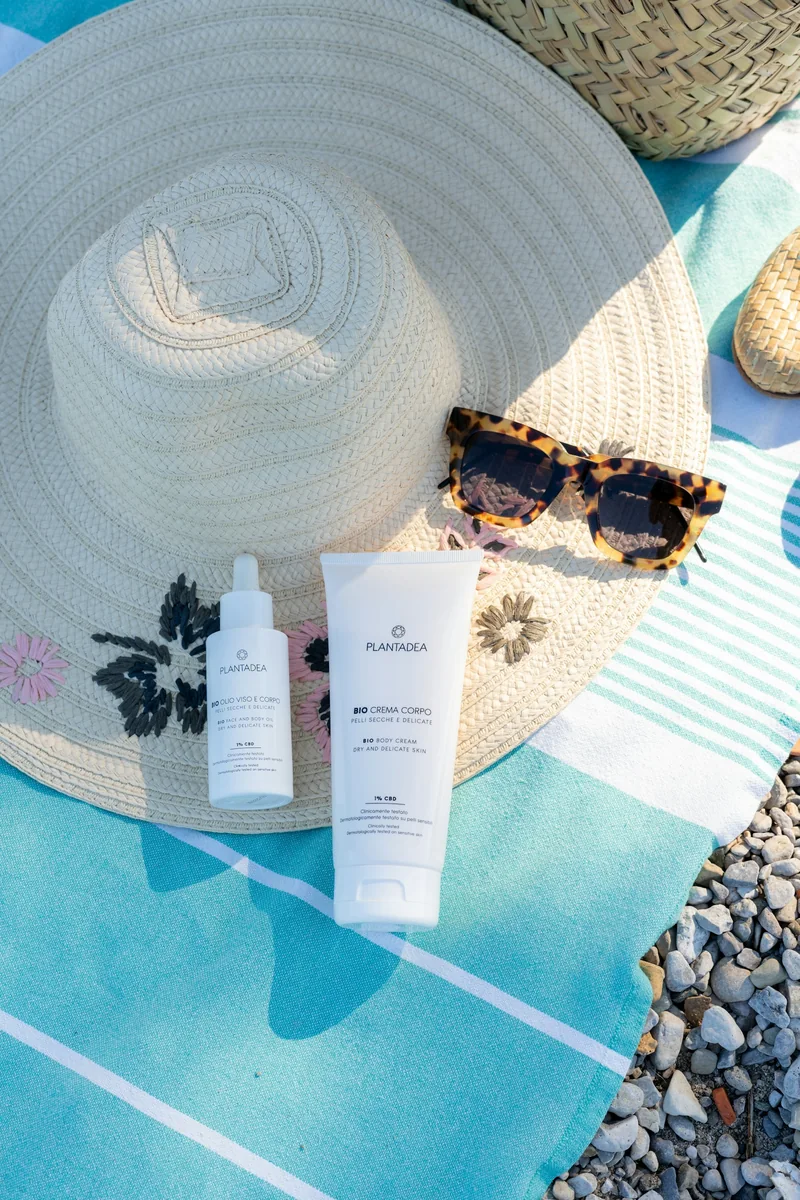
The daypack should stay small enough to sit at your feet. Put the fleece or waterproof shell on top, where it can be reached without emptying the bag. Add binoculars, camera, spare battery, phone, hat, sunglasses, sunscreen, SPF lip balm, tissues, sanitiser, personal medicine and a reusable water bottle.
| Drive | Carry | Why |
|---|---|---|
| Early morning | Fleece, shell, buff, binoculars, camera, sunscreen | The drive begins cold and often ends warm |
| Full day | All of the above, plus power bank, memory card, tissues and a quiet snack | There may be no return to camp until late afternoon |
| Rain possible | Hooded shell and waterproof pouch for electronics | A short shower should not end the drive or damage gear |
| Balloon morning | Secure layer, closed shoes, gloves if cold-sensitive, compact camera | Launch sites can be cold and landing areas uneven |
| Family drive | Child medicine, familiar snack, wipes, activity card, child binoculars | Small comforts prevent a long drive becoming a battle |
Avoid loose carrier bags, rustling snack packets and a huge camera case that rolls across the vehicle floor. Kenya’s NEMA states that plastic carrier bags and certain flat bags used for household or commercial packaging are banned. Reusable fabric packing cubes, dry bags and zipped pouches are better choices.
For picnic stops, carry valuables with you when you leave the vehicle. Do not leave an open snack bag where monkeys or baboons can reach it. Follow the guide’s instruction about where it is safe to stand, walk or use a bush toilet.
Camera, binoculars, charging and dust
Binoculars are not a backup for the camera. They are the fastest way to follow a cheetah moving across distant grass, study a bird or let another traveller enjoy a sighting while the photographer uses the lens. An 8×42 or 10×42 pair gives a useful balance between magnification, brightness and hand-held stability. If possible, give each adult their own pair.
A telephoto zoom around 100 to 400 mm covers many Mara situations on a full-frame camera, with a phone or wider lens for landscapes, camp and animals close to the vehicle. This is a practical range, not a requirement. A newer phone can produce excellent wide scenes and video. The most useful camera is the one you can operate quickly without learning the menu while a leopard walks away.
Power
Bring spare batteries, the right chargers, a Type G adapter and a power bank. Some camps switch power off overnight.
Dust
Carry a blower and lens cloth. Cover the camera between sightings and avoid changing lenses while the vehicle moves.
Storage
Use several memory cards rather than one enormous card. Back up when the lodge power and routine allow.
Power banks and spare lithium batteries belong in carry-on baggage under airline safety rules. Protect exposed battery terminals from short circuit. Check the international airline rules as well as the bush carrier, because the journey may involve different aircraft and restrictions.
Medicine, sun, insects and personal care
Speak with a qualified travel-health professional about your complete Kenya route, health history, vaccines and malaria prevention. The CDC’s Kenya traveller guidance includes game parks below 2,500 metres in malaria-risk areas and advises discussing prescription prevention with a clinician. The right medicine depends on the traveller, itinerary and medical history, so a generic packing list should not make that choice.
Carry prescription medicine in labelled packaging with a copy of the prescription, plus enough for delays. Keep it with you, not in a bag that may travel later. A compact kit can include plasters, pain relief you normally tolerate, oral rehydration salts, stomach medicine, allergy treatment and any personal emergency medication. Tell the guide or travel companion about a serious allergy or condition.
Use broad-spectrum sunscreen, SPF lip balm, sunglasses and a hat. Bring insect repellent even if one traveller encountered few mosquitoes, because weather, lodge position and personal attraction differ. Long sleeves and trousers provide another layer of protection. Pack the contact-lens solution, menstrual products and skin care you trust rather than expecting a small camp shop to stock them.
- Prescription medicine in hand luggage
- Copies of prescription and insurance details
- Personal allergy or emergency medication
- Broad-spectrum sunscreen and SPF lip balm
- Insect repellent selected for the traveller
- Oral rehydration salts and basic first aid
- Contact-lens or menstrual supplies
- Travel-health advice for the actual route
Children, older travellers and mobility needs
Children need layers that fit now, a sun hat that stays on, familiar snacks, a refillable bottle, wipes, prescribed medicine and something quiet for waiting. Child-sized binoculars or a simple wildlife notebook can turn a long drive into a search rather than a test of patience. Keep one complete outfit accessible for spills or luggage delay.
A baby or toddler may need nappies, feeding equipment, sterilising arrangements, sleep comforts and a car seat. Do not assume a safari vehicle can secure a seat brought from home. Share the child’s age, size and seat requirement before the vehicle is allocated.
Older travellers may value a small back cushion, compression socks for flights, easy-entry shoes, walking aid and medicine organised around the new time zone. AirKenya states that collapsible assistive devices for qualifying passengers are carried without using the normal allowance, but the airline must be told in advance and the exact equipment must fit the operating aircraft. Camp paths, steps and vehicle entry height matter as much as the bag.
For every age, put the vital items in one small pouch: name, allergies, medicine, emergency contact, travel insurance and the day’s essential dose. The pouch should remain with the person or responsible adult.
What to leave at home
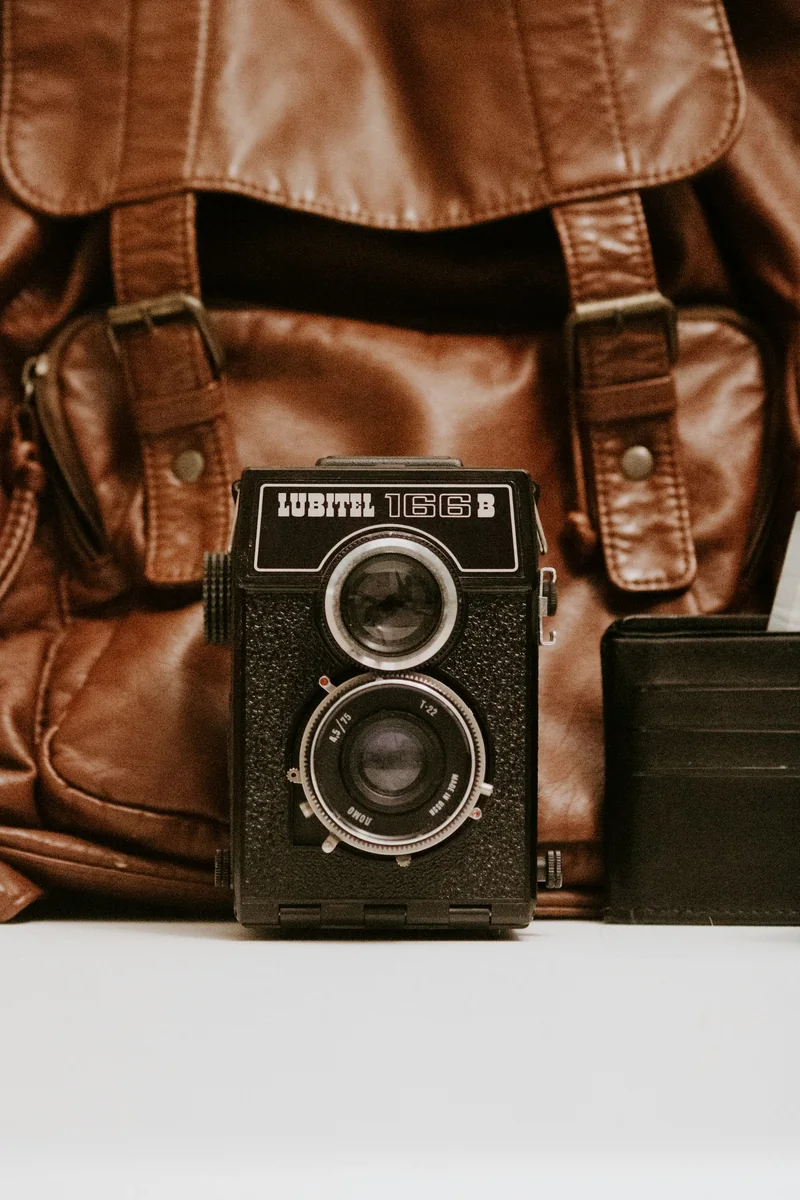
Leave a rigid suitcase in Nairobi if a bush flight is part of the route. Heavy hiking boots are unnecessary for a vehicle-only safari, though closed shoes make sense for airstrips, bush breakfasts, balloon landings and walks. Do not bring a drone unless every Kenyan aviation and protected-area permission has been secured before travel.
Skip expensive jewellery, speakers, several formal outfits, bulky hair appliances and a full shelf of toiletries. Avoid military-style camouflage because it is unnecessary and can be culturally awkward. White clothing is not forbidden, but Mara dust quickly explains why muted colours are easier.
- Hard-shell suitcase for a small-aircraft sector
- More than two pairs of safari shoes
- A separate beige outfit for every day
- Heavy boots without a walking itinerary
- Drone without all permissions
- Plastic carrier bags
- Expensive jewellery and loud speakers
- Bulky appliances the camp cannot power
A good test is simple: can the item be worn or used at least twice, does it protect health or equipment, or does it solve a confirmed route constraint? If not, it is probably stealing space from the bag rather than improving the trip.
What travellers actually used
These exact comments come from public discussions after or during safari travel. Personal comfort differs, but the repeated themes are useful: power, layers and fewer dinner clothes.
“Portable battery pack – game drives took up a lot of phone juice.”
A one-bag traveller named the power bank among the top winners after a Kenya and Tanzania trip.
“My wife brought several nicer items and didn’t wear them.”
A recent luxury-lodge guest found Mara dinners far more casual than expected.
“I’d take a fleece and both long and short-sleeved t-shirts, and maybe a packable rain coat.”
A Mara forum response captures the value of layers in one compact list.
The independent video above comes from a traveller who visited Amboseli, the Masai Mara and Lake Nakuru. Use it for outfit and comfort ideas, then use the confirmed airline policy and your own medical advice for the final bag.
Masai Mara packing questions
Do I need special safari clothes?
No. Comfortable, breathable layers in muted colours work well. Buy technical safari clothing only when its fit, pockets or fabric genuinely help you.
How cold are early Masai Mara game drives?
They can feel surprisingly cold in a moving open vehicle, especially from June through August. A fleece and windproof shell are useful, with a beanie or light gloves for cold-sensitive travellers.
Do I need hiking boots?
Not for an ordinary vehicle safari. Comfortable closed shoes are enough unless the itinerary includes serious walking or you need ankle support.
What is the bush-flight luggage allowance?
AirKenya and Safarilink publish a 15 kg total that includes hand luggage. Soft bags are required or strongly requested for small, irregular aircraft holds. Use the rule of the airline on the confirmed ticket.
Should I bring binoculars?
Yes. An 8×42 or 10×42 pair makes distant animals and birds far easier to enjoy, even if you carry a telephoto camera.
What camera lens is useful in the Mara?
A 100 to 400 mm telephoto zoom is versatile on a full-frame camera, while a phone or wider lens handles landscapes and close scenes. It is a useful range, not a requirement.
Can I wear black, white or bright colours?
You can, but black absorbs heat and white shows dust. Muted colours are practical and easy to combine. There is no need to replace every ordinary item you own.
Do Mara camps offer laundry?
Many do, sometimes included and sometimes charged. Underwear policies and drying times vary, so check the chosen camp before relying on daily service.
Can I bring a power bank and spare camera batteries?
Yes, but they normally belong in carry-on baggage, with spare-battery terminals protected against short circuit. Follow every airline’s current lithium-battery rules.
What plug adapter does Kenya use?
Kenya uses Type G three-pin sockets at 240V and 50Hz. Check whether each appliance supports 240V before connecting it.
Related Masai Mara guides
Sources and practical references
Plan the Mara first, then pack exactly what it needs
Tell us the month, number of nights, road or flight preference, children, camera equipment and comfort needs. We will shape the journey around them.
Plan your Masai Mara safari
Share the dates, flight or road preference, group and any luggage, photography, family or mobility needs.