
Snorkeling and Diving: Diani vs Watamu vs Malindi Compared Honestly
Diani opens south toward reef excursions. Watamu layers marine park, creek and resort village. Malindi puts coral gardens beside a larger working town.
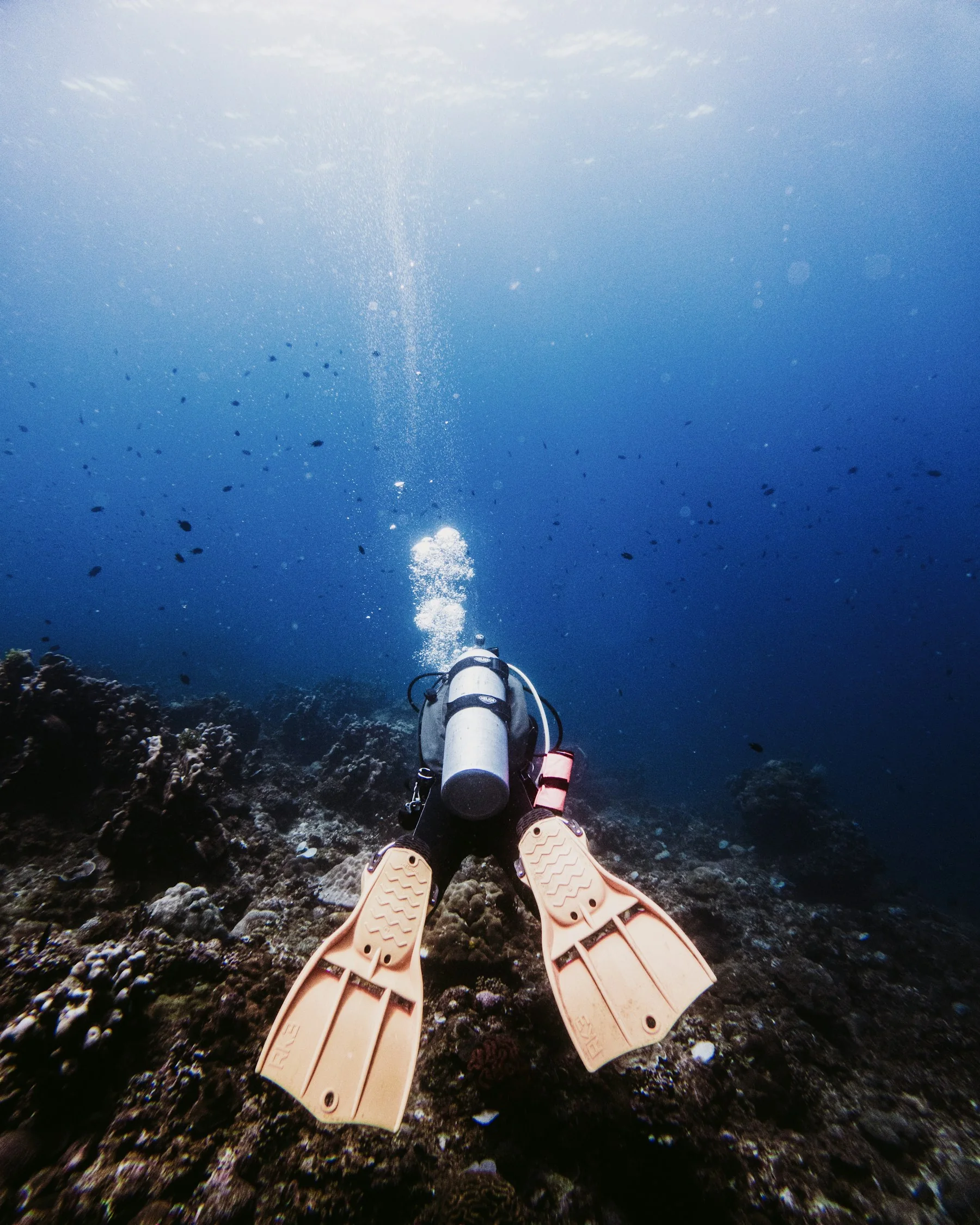
For snorkeling and diving, Diani vs Watamu vs Malindi is best decided by the wider holiday. Choose Diani when a long resort beach and southern excursions lead, Watamu for a marine-park and creek holiday, or Malindi for direct town access to an established marine protected area. The operator, tide, wind, certification and exact site matter more than the destination label.
- Snorkeling and diving Diani vs Watamu vs Malindi: verdict
- Diani for snorkeling and diving
- Watamu for snorkeling and diving
- Malindi for snorkeling and diving
- Comparing snorkeling for beginners
- Comparing scuba diving
- Turtles, dolphins, rays and reef fish
- Weather and visibility
- How tide changes the experience
- How to choose an operator
- What companions can do
- Flights, roads and safari connections
- What the price should include
- Marine etiquette
- How to choose
- Photography and nervous swimmers
- Traveller opinions
- FAQs
Snorkeling and diving Diani vs Watamu vs Malindi: verdict
Choose Watamu when snorkeling is the centre of the holiday, Diani when the group wants the broadest resort-and-activity mix, and Malindi when a working town, direct airport access and quieter coral-garden options matter. That is the useful first answer, but it is not a promise about tomorrow’s water.
Diani has local reef trips and opens south toward the Kisite-Mpunguti day excursion. Watamu wraps a protected marine park, coves and Mida Creek into one compact stay. Malindi has its own six-square-kilometre national park beside a larger town, with North Reef, Barracuda Channel and Coral Gardens described in the KWS management plan.
A marine specialist can enjoy any of them. The deciding factors are site range, centre standards, the group’s experience and what non-divers want to do. Never move the whole holiday for one animal promised in a brochure.
| Base | Marine strength | Wider holiday | Watch for |
|---|---|---|---|
| Diani | Local reef diving plus southern excursions | Long resort beach | Road time to Kisite |
| Watamu | Protected lagoons, marine park and creek | Village-resort mix | Exact beach and tide |
| Malindi | Coral Gardens, channels and outer reef | Town, history and airport | More urban atmosphere |
Diani for snorkeling and diving
Diani offers local reef trips, dive centres and full-day travel toward Shimoni and Kisite-Mpunguti Marine National Park. The local Diani-Chale reserve includes fringing reef, seagrass, mangroves and Chale Island, while the famous Kisite day is a separate journey farther south.
Diani suits mixed groups because one person can dive while another stays on a long beach, visits Kaya Kinondo or explores Shimba Hills. It is also the easiest of the three for a group that wants restaurants, kitesurfing and resort choice to matter as much as snorkeling.
Kisite is not on Diani’s doorstep. Compare hotel pickup, road to Shimoni, boat time, park fees, lunch and actual time in the water. Local seas can be rough, and seasonal wind may delight kiters while disrupting an easy snorkel. Keep options flexible and do not treat dolphins as an inclusion.
Watamu for snorkeling and diving
Watamu Marine National Park covers about 10 square kilometres, with protected coral gardens, seagrass and reef lagoons close to a coast shaped by coves and tide. KWS identifies snorkeling, diving, swimming and guided boat excursions among the park experiences. Mida Creek adds mangrove, tidal flats and bird habitat, making the marine day part of a broader ecosystem.
Turtle Bay, Blue Lagoon and Watamu Bay are not interchangeable hotel labels. Beach access, channel depth, low-tide walking and boat departure points vary. A traveller who imagines stepping straight from every room into waist-deep snorkeling water may be disappointed, while someone who enjoys the tide revealing the reef flat may love the same place.
Watamu has resorts, villas and small hotels, but beach sections differ. A centre should choose the site by ability and sea state. Turtle or dolphin marketing requires caution. Wild animals do not belong on a guaranteed schedule, and nesting beaches need distance and low disturbance.
Malindi for snorkeling and diving
Malindi Marine National Park was established in 1968. The KWS management plan describes a six-square-kilometre park with coral-sand beach, North Reef, Barracuda Reef, Barracuda Channel, shallow Coral Gardens and outer-edge diving.
The Sabaki River lies north of town. After heavy rain, sediment and runoff can influence water clarity in the wider Malindi area, which is one reason a date label cannot guarantee visibility. A centre with several site choices can respond more intelligently than a fixed excursion that must go to one reef.
The town and airport make access practical for travellers who want restaurants, heritage and services around them. A traveller reported finding Malindi least crowded during their comparison, but that is one visit, not a permanent ranking. Weekends, holidays, boat concentrations and conditions change. Ask the operator where groups are going that morning.
Comparing snorkeling for beginners
Beginners need calm water, a clear briefing, flotation and a guide who remains close. Watamu or Malindi may provide protected-site options, while Diani can work well when local conditions are suitable. No destination name removes anxiety or current.
A private boat helps families control pace, but must still carry proper safety equipment. Glass-bottom viewing can include a non-swimmer. Do not force a child or anxious adult into open water to justify the excursion cost.
Comparing scuba diving
Certified divers should compare site depths, currents, boats, oxygen, equipment, guide ratio and emergency plan. Diani’s wider southern reach, Watamu’s marine environment and Malindi’s coral gardens each offer a different base, while exact site use changes.
Recent experience matters. A diver returning after years should take a refresher. An introductory dive is a supervised first experience, not equivalent to certification. The best centre says no when training and conditions do not match.
| Traveller | Diani question | Watamu question | Malindi question |
|---|---|---|---|
| Non-swimmer | Is a glass-bottom or sandbank option available without pressure to enter? | Which sheltered boat route keeps the group together? | Can Coral Gardens be viewed from a suitable boat? |
| First snorkel | Is the local reef calm enough, or is a pool briefing better first? | Which lagoon suits the tide and confidence? | Will the guide stay with beginners in the shallow garden? |
| Introductory diver | Where is the confined-water skill session held? | Which protected site fits first-time depth and sea state? | Will training happen before the boat reaches open reef? |
| Recently certified diver | Which reef avoids current beyond the logbook experience? | Is the selected site a gentle first ocean dive? | Does the channel or outer edge exceed current experience? |
| Experienced diver | What sites are actually operating this week? | Can the centre offer a site beyond the standard snorkel circuit? | Are outer reef conditions suitable on the day? |
| Underwater photographer | Can group pace and camera handling be discussed before departure? | Will the guide protect distance from turtles and coral? | Which site offers suitable light without crowding a shallow garden? |
Turtles, dolphins, rays and reef fish
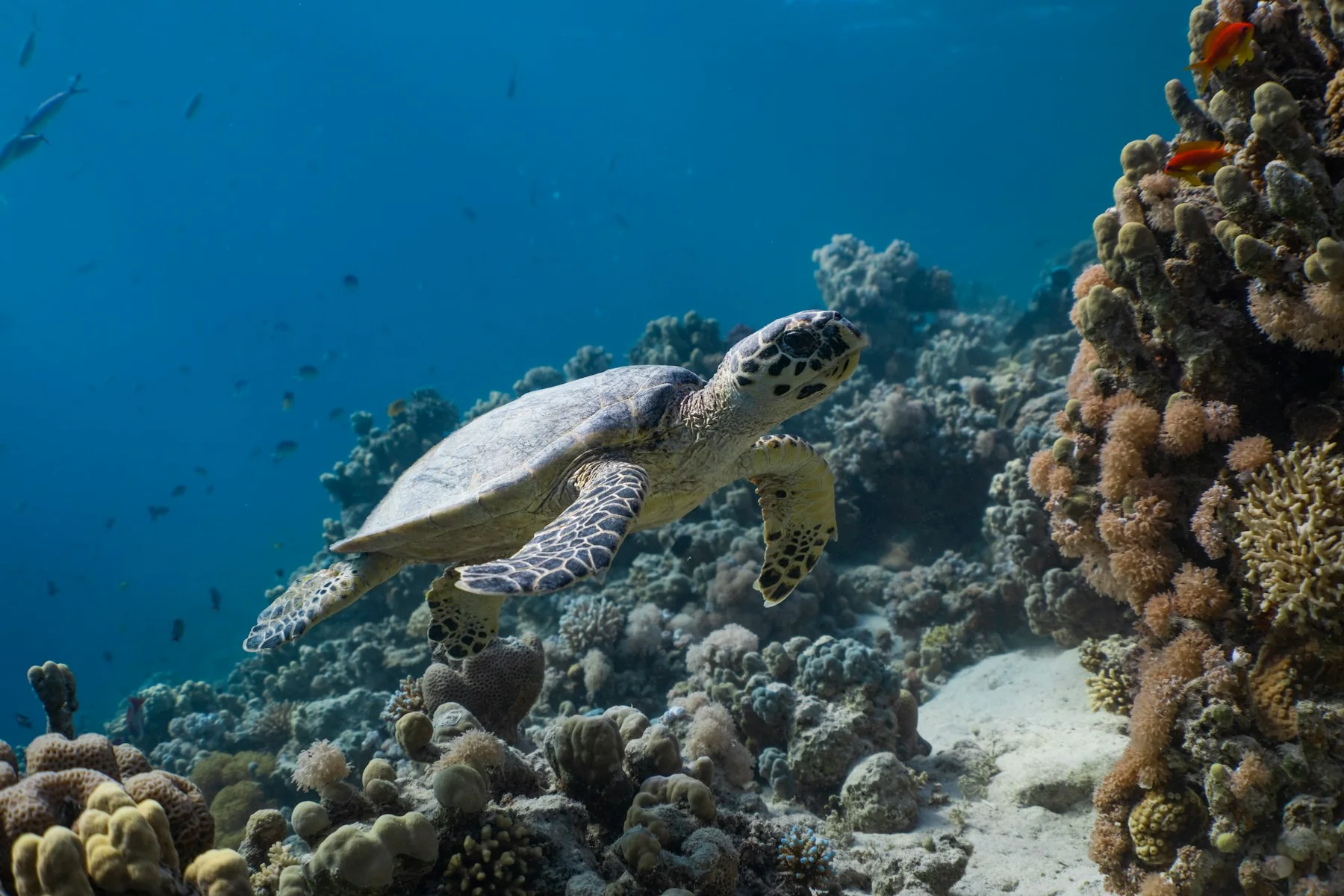
Kenya’s marine habitats support turtles, dolphins, reef fish, rays and diverse invertebrates, but distribution and sighting chance vary. Choose habitat and ethical guiding rather than a single target.
Never touch, feed or chase wildlife. Dolphin boats should limit pressure and keep appropriate distance. Turtle encounters should happen on the animal’s terms. A quiet observation is more valuable than a close pursuit.
Weather and visibility
January to February and July to October are common coast windows, but wind, rain, tide and local runoff affect each site. A dry week can still bring rough sea. A transitional month can deliver excellent visibility.
Use the season guide for climate, then ask the centre near the activity date. Book early in the stay so a poor day has a second chance.
| Planning factor | Why it matters | How to use it |
|---|---|---|
| Wind | Changes surface chop, boat comfort and site choice | Ask which coast and reef face is sheltered |
| Recent rain | Can reduce clarity near river influence | Ask for a same-week visibility report, especially around Malindi |
| Tide | Changes access, depth and current through channels | Use the local day’s tide table, not a generic month |
| Plankton | May reduce visibility while attracting larger filter feeders | Do not equate lower clarity with a lifeless sea |
| Experience level | The safest site for one diver may bore or overwhelm another | Tell the centre certification, last dive and comfort honestly |
| Length of stay | One rough morning can cancel the only plan | Schedule water activity early and keep a spare day |
How tide changes the experience
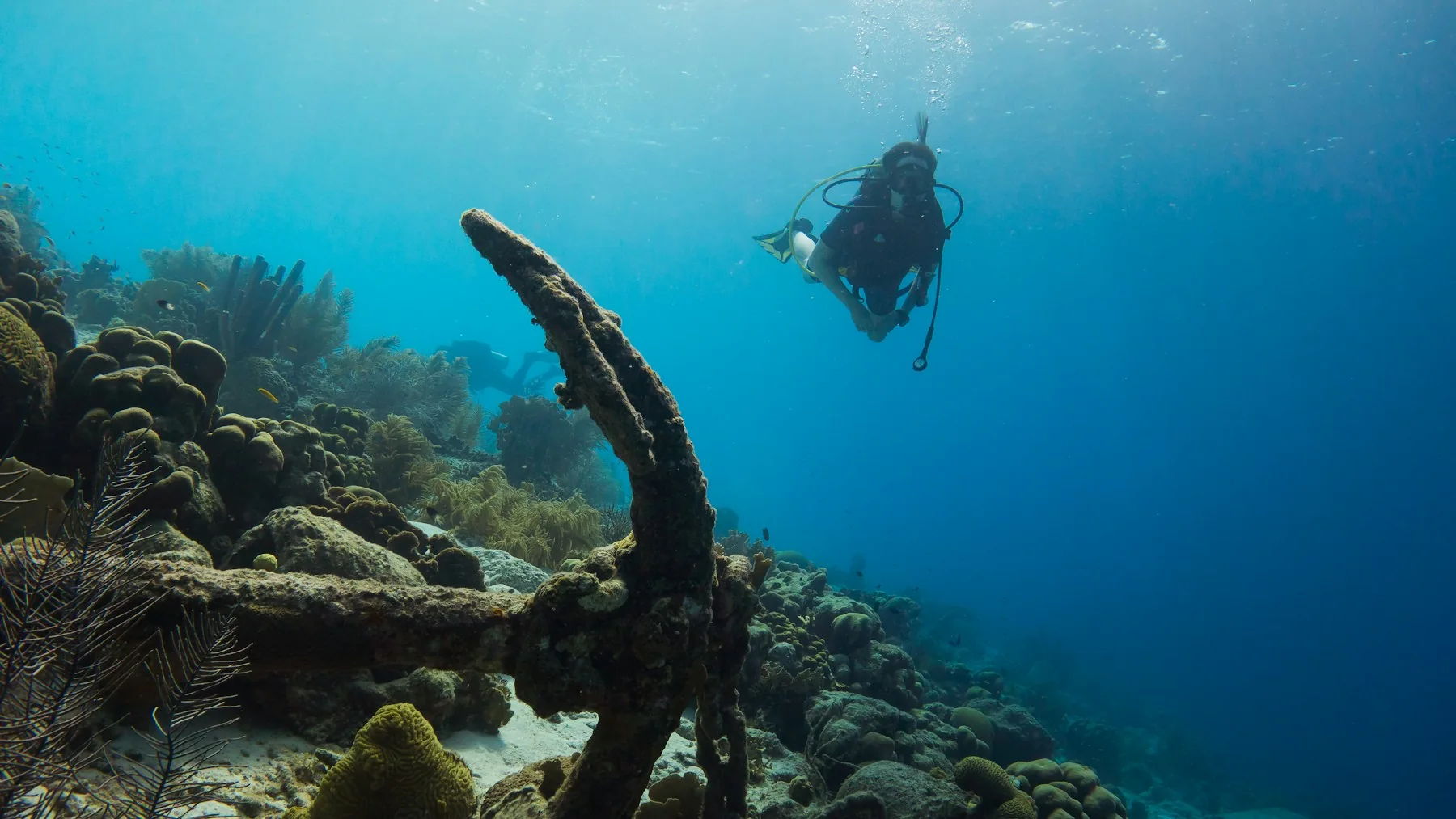
Tide changes boat access, swimming depth, current and exposed reef flat. East-facing beaches can show dramatic retreat, while a channel may accelerate water. Tide tables need local interpretation because reef shape matters.
Do not walk on coral exposed at low tide. Use reef shoes only for approved sandy or rocky paths, not as permission to trample habitat. Ask the hotel when casual swimming is easiest.
How to choose an operator
Check training affiliation, insurance, equipment care, oxygen, first aid, boat, captain, instructor ratio and cancellation policy. Ask who decides the site and whether the fee includes marine entry.
Read reviews for equipment and conduct, not only species seen. A centre that changes a site or cancels in poor sea may be demonstrating the exact judgement worth paying for.
Ask where emergency oxygen sits, how much is carried and what the evacuation route is from the chosen site. Divers Alert Network publishes operator safety resources that include emergency action plans, oxygen-kit checks, equipment maintenance and dive-boat guidance. A calm, specific answer from the centre is more reassuring than a logo on a counter.
Snorkelling deserves the same seriousness. The guide should count guests in and out, identify current and boat traffic, carry flotation, know who is a weak swimmer and explain how the group will be recalled. For children, ask about minimum age, life-jacket fit, shade and whether the adult supervising them is also expected to snorkel.
What companions can do
Diani offers the longest resort-beach rhythm and many activities. Watamu adds Mida Creek, Gede and a compact tourism scene. Malindi offers town services, history and restaurants. Non-divers should shape the base as much as the person underwater.
A couple does not need identical days. One can dive while the other takes a guided creek or heritage visit, then meet for an unhurried evening. This often works better than a compromise boat nobody enjoys.
Flights, roads and safari connections
Malindi Airport is useful for both Malindi and Watamu. KWS places Watamu about 28 kilometres south of Malindi, so the hotel transfer is usually manageable but must still be priced. Mombasa access requires a longer north-coast road. Diani uses Ukunda flights or a road transfer from Mombasa that includes the south-coast crossing and traffic.
Tsavo East connects naturally with the coast, but gate and beach decide the route. A park finish near Sala Gate points more naturally toward Malindi and Watamu. A Voi or Mombasa corridor may favour Diani. Compare the entire lodge-to-hotel day rather than looking only at kilometre distance.
Diving must also fit the flight out. Divers Alert Network’s flying-after-diving guidance recommends at least 12 hours after a single no-decompression dive, at least 18 hours after multiple dives or multiple dive days, and substantially longer after dives requiring decompression. Longer intervals reduce risk further. The diver’s computer, training, health and actual profile still matter.
What the price should include
Ask about transfer, boat, equipment, guide, tanks, weights, meals, water, park fees and taxes. A low headline can exclude the conservation fee or a long road transfer. A private boat costs more because capacity is not shared.
Price should never purchase a wildlife guarantee or pressure the captain to sail. Pay for trained people, maintained equipment, responsible access and a well-run day.
Marine etiquette
Maintain buoyancy, secure gauges and cameras, avoid standing, and never collect coral or shells. Do not feed fish. Carry reusable water and remove all waste. Follow KWS rules in protected areas.
Choose operators who use moorings rather than damaging anchors where possible and who brief guests about wildlife. A beautiful reef image means little if the group harmed the scene.
How to choose
Pick Diani for resort beach plus varied activities. Pick Watamu for a marine-and-creek holiday. Pick Malindi for town, airport and marine park. Then let the day’s centre choose the safe site.
If still undecided, prioritise the non-marine hours. Diving occupies part of the trip; the beach, meals, room, transfer and companions fill the rest.
For a mixed group, score each base for swimming beach, marine operator, children, restaurants, airport time, safari route and rainy-day comfort. Let every traveller choose the two categories that matter most. This prevents the keenest diver from accidentally designing everyone else’s holiday.
Ask a centre what it would recommend for the least experienced person on the stated dates. A thoughtful answer names conditions and alternatives. A weak answer repeats the most famous site and promises wildlife before asking about ability.
Stay long enough for a second weather window. Three nights can lose its only marine day to wind or illness. Five nights create flexibility and still leave the coast feeling restful after the activity.
Finally, compare conservation conduct. Park fees, no-touch briefings, sensible group sizes and wildlife distance are part of value. A cheap trip that crowds dolphins or damages reef should not win the comparison.
| Priority | Diani | Watamu | Malindi |
|---|---|---|---|
| Long resort beach | Strong | Varied coves | Town-dependent |
| Marine park immersion | Good with excursions | Strong | Strong |
| Creek and nature add-ons | Kongo and south coast | Mida Creek | Sabaki and town region |
| Airport convenience | Ukunda or Mombasa | Malindi plus road | Malindi Airport |
| Restaurants and town life | Resort corridor | Village-resort mix | Largest town base |
Photography and nervous swimmers
For photographers, ask how the centre manages cameras, buoyancy and group spacing. A dedicated photography dive may be safer than stopping repeatedly inside a mixed group. Snorkel photographers should avoid duck-diving onto animals and keep attention on boat traffic.
For nervous swimmers, choose a shallow orientation with flotation before committing to a long excursion. Confidence can grow in twenty calm minutes. It rarely grows while the group waits impatiently in current.
A companion who does not enter the water still needs shade, a secure seat and a clear boat plan. That person should not be treated as leftover capacity. The best operator designs for the whole group.
Confirm the return time and post-activity transport before departure. Wet equipment, fatigue and a delayed boat should not create a rushed airport or safari connection.
An independent Watamu and Malindi travel video
Watch Liv Kenya’s independent Watamu and Malindi travel video on YouTube. It helps show how the two north-coast bases connect beyond the marine park. Use the footage for atmosphere and orientation, not as a promise of water clarity or the condition of a reef on another day.
What travellers say after the trip
These are exact words from public reviews and discussions. Each person had their own route, budget and expectations, so the value is in the detail rather than treating one experience as a promise.
Malindi marine park was the least crowded of all 3, so if you plan on snorkeling go there.
A traveller comparing personal marine-park experiences.
Watamu is great for snorkeling, but has a much more relaxed, laid back vibe.
A traveller comparing Kenyan coast bases by activity and atmosphere.
The seas are also much rougher in Diani at times so your kite surfing and snorkeling plans can easily be ruined.
A Kenya-based commenter explaining why conditions should remain flexible.
We recently dived on Diani Beach with Diving the Crab – I’d really recommend them, they were very professional and efficient.
A recent diver describing the centre conduct that mattered more than a generic destination score.
the diving really won’t be good in June.
A blunt critical opinion from a safari-and-scuba planning discussion. It is not a universal law, but it shows why June divers should ask for recent site reports.
Our experience at the beach was meh at best
A Diani visitor describing persistent vendor pressure. The marine site may be good while the wider beach experience still misses the group’s needs.
Diani, Watamu and Malindi marine questions
Which is best for snorkeling?
Watamu and Malindi have direct protected marine-park access, while Diani offers local reefs and southern excursions. The day’s conditions decide the site.
Which is best for diving?
All three can work. Choose the centre, site range, safety and wider holiday rather than a universal winner.
Which is best for beginners?
The best beginner option is the calmest suitable site with close supervision on the day, regardless of town.
Can I see turtles?
Turtles are possible in Kenyan marine habitats but never guaranteed or to be chased.
Can I see dolphins?
Possible on some excursions, especially in the south, but responsible operators do not promise sightings.
Is Malindi the same as Watamu?
No. They are separate towns roughly 28 kilometres apart, connected to a shared wider marine ecosystem.
Which has the best beach?
Diani is strongest for a long resort strand; Watamu offers varied coves and reef settings; Malindi is more town-oriented.
When should I go?
Broadly drier periods often help, but wind, rain and tide change day by day.
Should I move hotels just to snorkel?
Usually not for one excursion. Compare transfer time with what a reputable centre near the existing base can offer.
Can NLS arrange the coast comparison?
Yes. NLS can match coast base, marine activity, transfers and safari route to the travellers.
Sources and further reading
Official park, heritage, tourism, aviation and regulatory sources support the practical details in this guide.
Choose the coast that still works when the boat stays ashore
Tell us what you want above and below water. We will match the marine day and the rest of the holiday.
Compare Kenya’s marine bases
Share dates, hotel style, certification, swimming confidence, activities and safari route.