
Mombasa Old Town Visitor’s Guide: Fort Jesus, Streets, Food and Respectful Exploring
Old Town begins where Fort Jesus meets narrow streets, coral-stone walls, balconies, mosques, spice shops and a harbour shaped by centuries of Indian Ocean exchange.
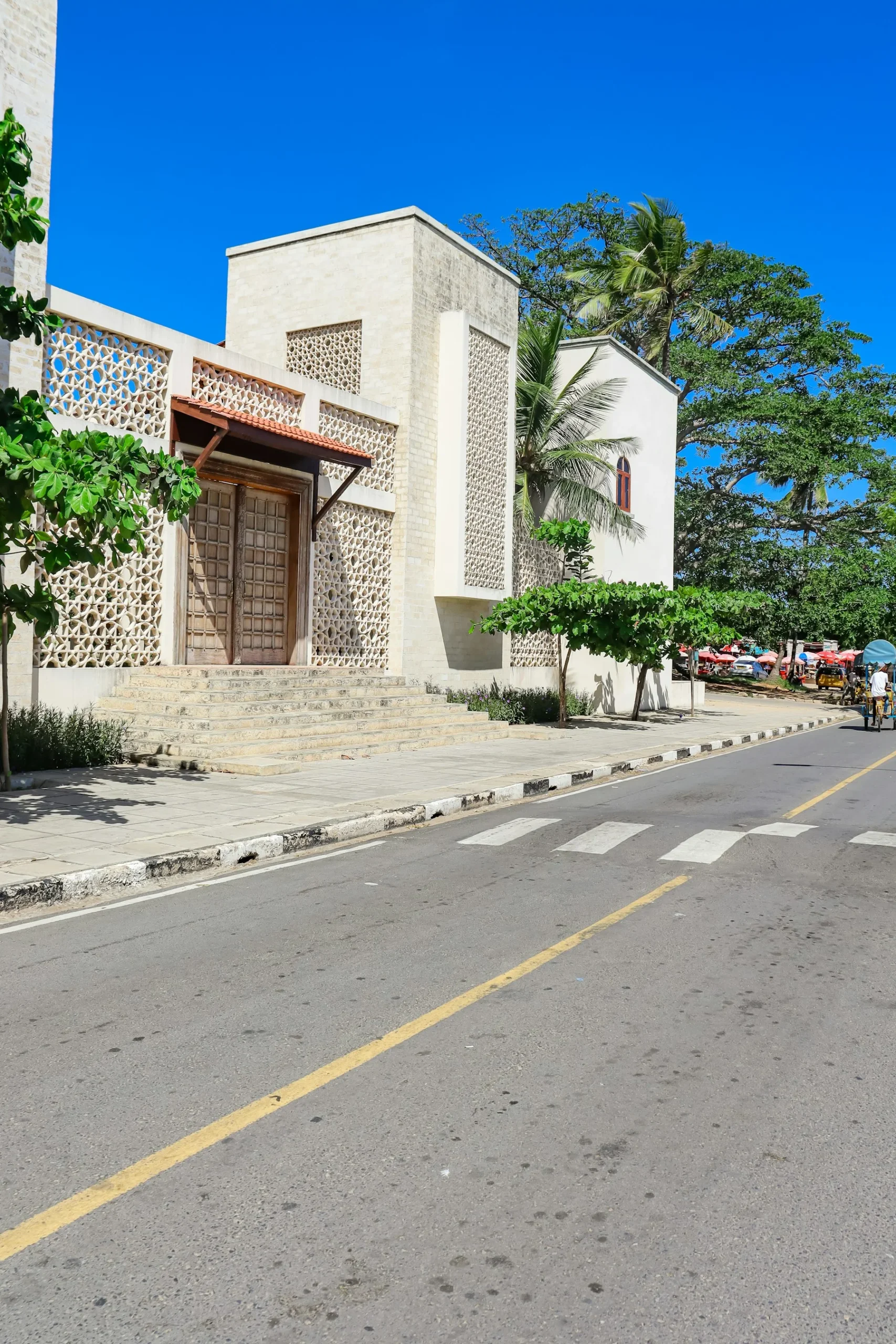
This Mombasa Old Town visitor’s guide helps you explore Fort Jesus and the surrounding historic streets with context. Begin at the fort, walk with a knowledgeable local guide, notice Swahili, Arab, Indian, Portuguese and British layers, ask before photographing people, dress respectfully and allow half a day rather than racing through for a single carved-door picture.
- Mombasa Old Town visitor’s guide: what to expect
- The history beneath the streets
- Fort Jesus before the walk
- A half-day Old Town walking route
- Swahili architecture in Old Town
- How to look at carved doors
- Choosing a local Old Town guide
- What to eat around Old Town and Mombasa
- Dress and religious respect
- Photography etiquette in a living neighbourhood
- Staying safe in Mombasa Old Town
- Getting to Old Town
- Combining Old Town with beach or safari
- Shopping with care
- How to plan the day well
- Videos
- Traveller opinions
- FAQs
Mombasa Old Town visitor’s guide: what to expect
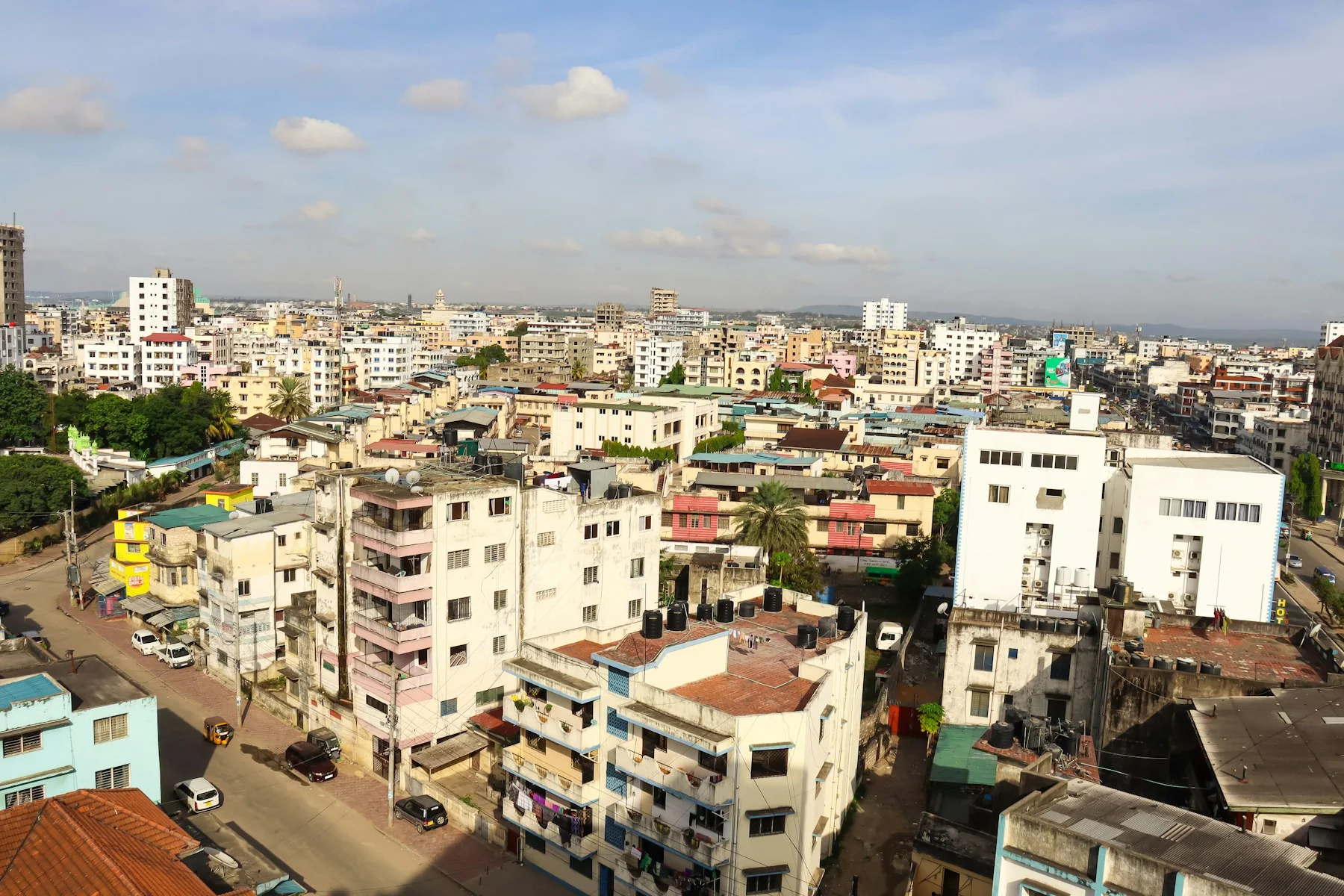
Old Town occupies the south-eastern side of Mombasa Island beside Fort Jesus and the old harbour. The UNESCO World Heritage property covers 2.36 hectares and includes the fort, its moat and immediate surroundings. Old Town forms the historic buffer around it. The scale is compact enough to walk and layered enough to deserve time.
You will see coral-stone and plaster buildings, carved doors, enclosed balconies, mosques, shops, workshops and streets that bend toward the water. Some structures are carefully restored, others weathered, and many remain homes or businesses. The neighbourhood is not preserved as one architectural period because its history never stopped.
| Place | Why it matters | Time to allow |
|---|---|---|
| Fort Jesus | Portuguese fort and later layers | 90 to 150 minutes |
| Old Town streets | Living architecture and trade history | 90 to 180 minutes |
| Old harbour edge | Indian Ocean context | 30 to 60 minutes |
| Food stop | Swahili coastal flavours | 45 to 90 minutes |
| Museum or gallery | Added interpretation | Check opening hours |
The history beneath the streets
Mombasa’s position made it part of long Indian Ocean networks linking the East African coast with Arabia, Persia, India and beyond. Swahili culture grew from African foundations and generations of exchange, expressed through language, Islam, architecture, food and mercantile life. Portuguese arrival did not begin the town’s history.
Later Omani, local, British and South Asian influences added new forms and communities. Avoid telling the place as a relay race of foreign rulers. Residents traded, worshipped, built families and shaped the city throughout every political change. A guide can help connect monumental dates to ordinary life.
Fort Jesus before the walk
The Portuguese built Fort Jesus between 1593 and 1596 to designs associated with Giovanni Battista Cairati. UNESCO calls it an outstanding surviving example of 16th-century Portuguese military fortification. Its plan reflects Renaissance ideas of proportion while its coral-rock position served control of the port.
The fort changed hands repeatedly and carries African, Arab, Turkish, Persian, Portuguese and British traces. It later served other functions, including imprisonment, before becoming a museum. Walk the walls, passages, courtyards and displays slowly enough to see how different occupants adapted the same defensive body.
A half-day Old Town walking route
Begin at Fort Jesus in the cooler morning. Its walls establish why this harbour mattered to Portuguese ambitions and to the powers that took the fort later. After the museum, meet the walking guide outside and enter Old Town through the lanes behind the fort. Ndia Kuu, whose name means the main road, gives the walk a historic spine rather than a random hunt for photogenic doors.
From there, let the guide connect carved doors, enclosed balconies, mosques and merchant buildings to the old port. The harbour view makes the trading geography visible: ships, monsoon winds and coastal exchange are no longer abstract history. Leven House can be discussed as part of that port and abolition-era story, although access and use can change.
Finish with lunch, tea or a coastal snack in an appropriate venue, then return to the vehicle from an agreed point. The National Museums of Kenya Old Town map is useful for orientation, but it cannot explain which doorway belongs to a home or how prayers, deliveries and school hours affect a route. Local guidance keeps the walk both richer and more respectful.
Swahili architecture in Old Town
Thick coral-stone walls moderate heat. Narrow streets create shade and channel air. Inner courtyards and screened openings balance household privacy with ventilation. Carved wooden doors, plaster niches, projecting balconies and decorative details may show the craft, trade connections and status of different builders.
Do not assign every ornate door one ethnic label by appearance alone. Buildings have been repaired, occupied and altered across generations. Ask what is known and what is interpretation. The weathered wall beside a perfect balcony can tell a more honest story than a collection of isolated details.
How to look at carved doors
Old Town’s doors draw photographers because of their scale, metal studs, inscriptions and carved patterns. They also mark thresholds between public street and private life. Step back, keep entrances clear and ask before posing somebody in front of a doorway.
A guide can point out Indian, Arab and Swahili craft influences without turning every motif into a fixed code. Timber ages, doors move between buildings and owners commission new work. Treat the door as part of a living building rather than a collectible backdrop.
Choosing a local Old Town guide
Use a trusted hotel, licensed operator or recognised heritage contact to arrange a guide. Before starting, agree the duration, route, interests, language, price and what entrance fees include. A guide who asks whether you care about architecture, religion, food or trade can shape a stronger walk.
Guides also help navigate photography and current conditions. They should not pressure visitors into shops or invent certainty. Shopping can be part of the day when it is wanted and transparent. Tell the guide what interests you and leave room for unscripted encounters.
What to eat around Old Town and Mombasa
Mombasa’s coastal food draws on coconut, rice, fish, spices, cassava, plantain and techniques shaped by Swahili and Indian Ocean exchange. Depending on the venue and time, look for biryani, pilau, samaki, viazi karai, mahamri, bhajia, coconut beans, tamarind flavours and spiced tea.
Choose busy, clean establishments and follow dietary needs. Street food is not a dare; it is part of local life. Ask the guide where a particular dish is strongest and whether it is available at that hour. During Ramadan, daytime rhythms and evening energy change, and visitors should respond respectfully.

Dress and religious respect
Old Town contains mosques and a predominantly Muslim community. Wear light clothing that covers shoulders and knees, keep voices low near worship, and do not enter religious spaces without invitation and guidance. Friday prayers and Ramadan can change street flow.
Respect is not a costume performed for a photograph. It means following local cues, avoiding intrusive questions and understanding that residents do not owe access to private interiors. A considerate visitor usually learns more because the walk becomes an exchange rather than an extraction.
Photography etiquette in a living neighbourhood
Architecture visible from public streets can generally be photographed, but people deserve consent. Ask clearly, accept no immediately and do not photograph children without a parent or guardian. Avoid aiming into homes, workshops or mosque interiors. Keep doorways and commercial activity unobstructed.
Photographers should carry minimal equipment and work quickly. A wide lens helps in narrow lanes, while soft morning light reveals texture. Do not direct residents as unpaid models. If a portrait is agreed, show the image and discuss any promised payment or copy before making it.
| Subject | Respectful approach |
|---|---|
| Building facade | Work from public space and keep entrances clear |
| Adult portrait | Ask clearly and accept no |
| Child | Ask a parent or guardian first |
| Mosque or worship | Follow guide and religious rules |
| Home or workshop | Do not photograph inside without invitation |
| Harbour activity | Keep working routes unobstructed |
Staying safe in Mombasa Old Town
Visit in daylight, preferably with a trusted local guide. Keep jewellery and unnecessary valuables at the hotel, carry a small amount of cash, use a secure bag and keep the phone discreet. Arrange the pickup point rather than searching for transport after dark.
Current conditions can change, so ask the hotel or organiser on the day. Safety advice should be specific and calm. Old Town is not a danger attraction, but unfamiliar narrow streets require the same urban awareness travellers use elsewhere. Keep copies of documents separate and know the local emergency contact.
Getting to Old Town
Old Town and Fort Jesus sit on Mombasa Island. From north-coast hotels, the drive crosses urban traffic. From Diani, travellers must account for the south-coast connection and should not treat the visit as a quick detour. From Moi International Airport or the SGR terminus, traffic can alter estimates.
Use a driver who knows the agreed drop and collection point. Avoid bringing safari luggage into the walk. If Old Town falls between hotel check-out and another transfer, arrange secure storage in the vehicle and keep only water, sun protection and essentials.
Combining Old Town with beach or safari
A two-night Mombasa stop can include Old Town, Fort Jesus and a north-coast marine or beach day. A Diani stay can add a long half-day visit, but the transfer may feel heavy if the beach holiday is short. Kilifi, Watamu and Malindi travellers can include Mombasa on an arrival or departure route.
Tsavo East connects naturally by road or the inter-county SGR. Place Old Town before the safari when you want city context first, or after it when the coast is the slow ending. The beach comparison helps decide which base makes the cultural day realistic.
Shopping with care
Old Town shops may offer textiles, spices, jewellery, woodwork, sandals, baskets and antiques. Ask where an item was made, what material it uses and whether wildlife products are involved. Do not buy coral, shells or other protected marine material. Bargain politely where appropriate and pay a fair price.
Antique claims need caution, especially where export restrictions or cultural value may apply. A newer object made by a named local artisan can carry a clearer story than an unverified old piece. Keep receipts and ask about transport before choosing something fragile.
How to plan the day well
Choose a cool start, a trusted guide, modest clothing, comfortable closed or secure shoes, drinking water and a light bag. Confirm Fort Jesus opening information and admission directly. Build a lunch or tea stop into the day, then leave a buffer before any onward train, flight or beach transfer.
Most importantly, arrive ready to listen. Old Town is not one aesthetic. It is a neighbourhood negotiating conservation, tourism, trade, worship and daily life. The visitor who notices that complexity leaves with more than carved-door photographs.
Useful independent and official videos
These videos add a visual perspective to the written guide. Their inclusion is not an endorsement of every opinion or claim in the video.
Mombasa Old Town Walking Tour in 4K
This independent silent walking video shows street scale, facades and atmosphere. It does not replace a local guide or confirm current opening and safety conditions.
What travellers say after the trip
These are exact words from public reviews and discussions. Each person had their own route, budget and expectations, so the value is in the detail rather than treating one experience as a promise.
I didn’t want to take a tuktuk ride through Old Town so I decided to walk instead.
A Kenyan blogger describing the choice to experience the neighbourhood on foot.
I took this while on a walk through Old Town during my foot tour through the city.
A visitor sharing a photograph made during a walking tour.
There is something about antique design and architecture … that just enthralls me.
The same blogger reflecting on why Old Town’s buildings held her attention.
Old Town.. But with a guide.
A local recommendation that captures how much context and navigation change the visit.
I always enjoy walking through Old Town in Mombasa.
The writer immediately followed this with advice to use a knowledgeable guide.
It’s ideal to have a local guide, and better during the day.
A Mombasa resident giving practical advice to a solo traveller.
Mombasa Old Town questions
Is Mombasa Old Town worth visiting?
Yes. It brings Fort Jesus, Swahili architecture, Indian Ocean trade history, food and a living neighbourhood into one walkable area.
How long do I need?
Allow three to five hours for Fort Jesus and a guided walk. Add lunch or harbour time for a fuller day.
Do I need a guide?
A knowledgeable local guide adds history, navigation and community context. Confirm identity, scope and price before starting.
Is Old Town safe?
Conditions vary. Visit in daylight, use a trusted guide, carry little, keep valuables discreet and follow current local advice.
What should I wear?
Choose light, modest clothing covering shoulders and knees, comfortable shoes, sun protection and a respectful approach near mosques and homes.
Can I take photographs?
Photograph architecture from public space, but ask before photographing people, interiors, worship or private homes.
What is Fort Jesus?
A Portuguese fort built from 1593 to 1596, later held and altered by different powers. UNESCO inscribed it in 2011.
Is Old Town the same as Fort Jesus?
No. The fort is a monument beside the wider living neighbourhood that forms its historic buffer and context.
Can I combine Old Town with the beach?
Yes. It works well before a north-coast stay or as a half-day during a Mombasa stop. Diani requires more transfer planning.
Can NLS arrange an Old Town visit?
NLS can include a guided cultural visit, transport and a sensible place within a safari and coast itinerary.
Sources and further reading
Official park, heritage, tourism, aviation and regulatory sources support the practical details in this guide.
Let Mombasa be more than the road to the beach
Add the fort, streets, food and harbour to a coast or Tsavo journey with enough time to see them properly.
Plan a Mombasa cultural visit
Tell us your dates, hotel, mobility, interests and whether Tsavo or a beach stay comes next.