
Amboseli Photography Guide: Kilimanjaro Locations, Light and Fieldcraft
Before breakfast, the southern sky turns pale and a white summit separates from the cloud. The guide finds a legal road with room to wait. An elephant family enters the open foreground, then changes direction. The photograph exists for seconds, but the planning began with lodge position, patience and a second dawn.
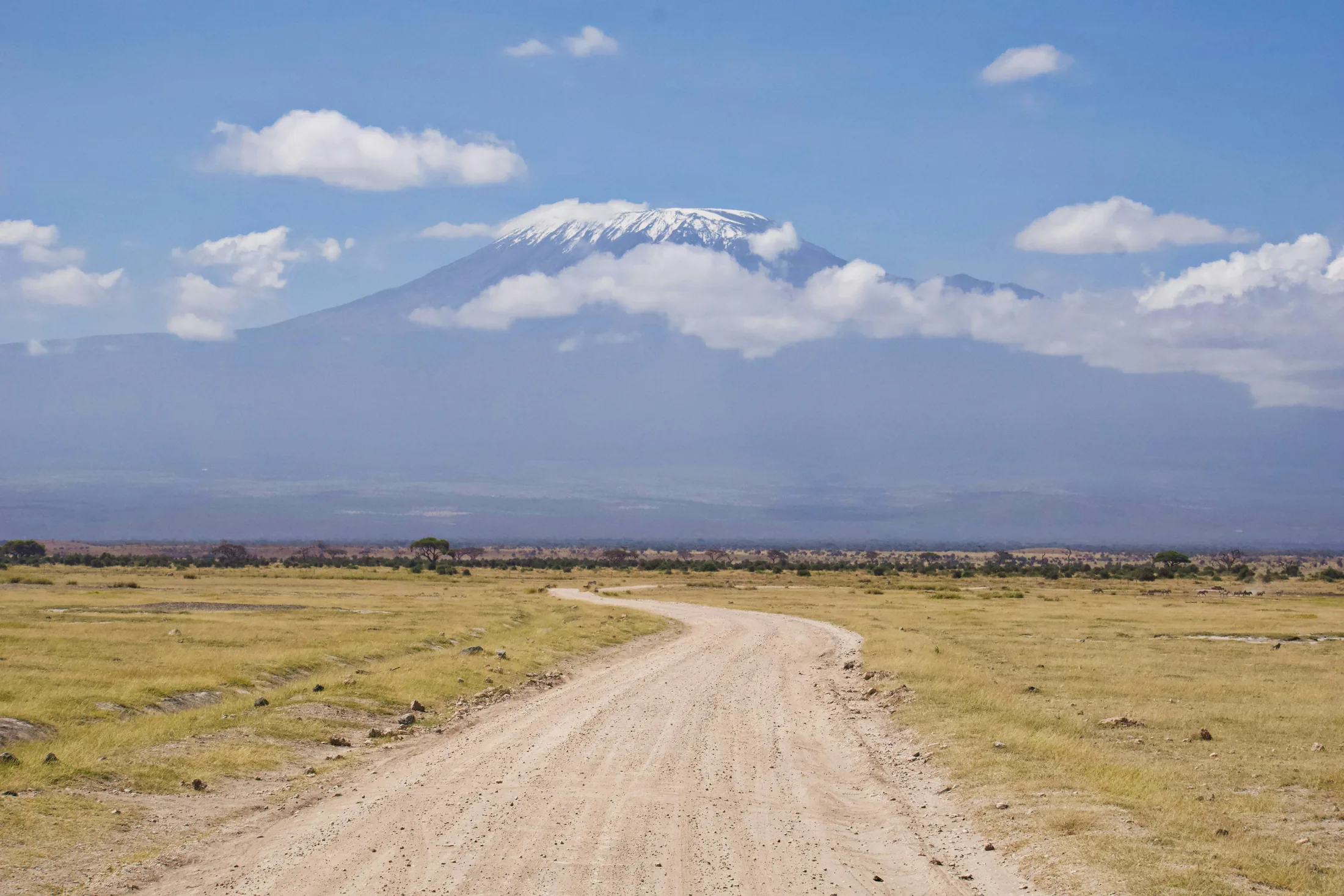
This Amboseli photography guide treats locations as changing possibilities rather than fixed tripod marks. Observation Hill, Enkongo Narok and Longinye swamps, the open lake-bed margins, western plains, acacia woodland and community conservancies each offer different foregrounds, light and access rules. Weather and wildlife decide which one works on a given morning.
- Amboseli photography guide to locations at a glance
- Observation Hill and the value of height
- Enkongo Narok and Longinye wetland scenes
- Lake Amboseli and the open basin
- Kilimanjaro at dawn, after rain and behind cloud
- Western plains and open approaches
- Acacia, palm and woodland frames
- Community conservancies and private land
- Dawn, midday, sunset and night
- Private vehicles, seat position and guide communication
- Camera bodies, focal lengths and settings
- Watch an independent Amboseli photography guide
- Dust, rain and equipment care
- Photography rules and wildlife welfare
- A three-night Amboseli photography plan
- Traveller opinions
- FAQs
Amboseli photography guide to locations at a glance
Observation Hill gives height and context. The Enkongo Narok and Longinye wetland systems bring elephants, buffalo, hippos and birds into green foregrounds. Open lake-bed margins and western plains can create dust, negative space and mountain scale. Acacia and palm woodland add shade and structure. Community and private-conservancy areas may provide different landscapes and activities under their own rules.
No list can identify the precise road where an elephant will cross tomorrow. Guides read water, recent sightings, wind, cloud and the position of other vehicles. The useful brief names a visual goal, such as “small herd beneath a large mountain” or “egrets around feeding elephants,” then lets local conditions decide the route.
| Area or habitat | Strong visual story | Main limitation |
|---|---|---|
| Observation Hill | Elevated basin and wetland panorama | Not eye-level wildlife |
| Enkongo Narok wetlands | Elephants, buffalo, hippos and birds | Busy routes and bright water |
| Longinye swamp area | Green habitat and layered herds | Subject position varies |
| Lake-bed margins | Dust, space and graphic silhouettes | Heat shimmer and exposure |
| Acacia woodland | Frames, shade and habitat context | Busy backgrounds |
| Community conservancies | Different density, sunsets and activities | Separate rules and access |
Where the main photographic habitats sit
This schematic is for visual planning, not navigation. Roads, water and wildlife change, and drivers must stay on permitted routes. Its value is showing how the mountain, lake basin, wetlands and higher viewpoint create different kinds of pictures.
Observation Hill and the value of height
Observation Hill, also called Nomatior, rises above the otherwise flat basin. From the designated viewpoint, a wide lens can show how swamp, open water, pale lake bed and distant ridges fit together. Use people or a lone tree for scale only with consent and intention. A polariser can deepen sky but may create uneven colour across a very wide frame.
Midday light is less damaging here than it is for an animal portrait because the purpose is geographic clarity. Storm shadows and moving cloud can divide the basin into layers. Keep equipment controlled on the walk and remain within designated visitor areas. This is a place to explain Amboseli, not to chase an eye-level elephant frame.
Enkongo Narok and Longinye wetland scenes
Permanent water draws elephants and other wildlife, particularly during dry periods. A family may be partly hidden by tall swamp vegetation, which is not a failure. Wait for heads, trunks and calves to form a readable rhythm. Birds provide small white accents, and reflections appear when water and angle cooperate.
Bright wetland highlights can fool exposure. Check the histogram and protect white birds from clipping while retaining detail in dark elephant skin. A medium telephoto can compress several habitat layers, but leave enough frame for direction of travel. Do not ask the guide to block a drinking route so animals face the camera.
Lake Amboseli and the open basin
Lake Amboseli is often dry or shallow, depending on rain and the wider water system. Its pale surface creates minimalist frames, mirage, dust and strong silhouettes. A distant elephant line can look more powerful than a close portrait because the empty space reveals journey and scale. Flamingos may appear when water and feeding conditions suit them, never because an old caption promises they will.
Heat shimmer softens long-lens detail as the day warms. Work early, accept an atmospheric image or switch to wider compositions. Dust enters every open bag. Keep one camera ready with the chosen lens rather than changing glass during wind. A scarf protects the photographer, while sealed containers and a hand blower help the equipment.
Kilimanjaro at dawn, after rain and behind cloud
Kilimanjaro stands in Tanzania while the famous northern views are made from Kenya. It often appears around dawn and gathers cloud as the basin warms, but the pattern is not a contract. Dry air can reveal the summit, dry dust can erase it and rain can wash the atmosphere into sudden clarity.
Expose for snow and cloud, then check shadow detail on wildlife. Long lenses make the mountain loom behind a subject, while wider lenses show distance honestly. The “elephant directly under the summit” frame requires a legal road, cooperative animal, guide judgement and luck. Never herd wildlife into alignment by vehicle movement.

Western plains and open approaches
Open grassland works for zebra, giraffe, ostrich, elephant processions and predators resting in pale grass. The horizon should be deliberate. Lower shooting positions from a safe vehicle opening can reduce empty sky, but nobody should leave the vehicle or hang outside. Backlight turns dust into atmosphere when the vehicle is positioned before the subject passes.
Roads can become strong leading lines, yet stopping on a blind bend or blocking other traffic is unsafe. Compose, take the frame and clear the route. During the wet season, fresh grass and storm skies replace the ochre palette. A photograph that accepts the season will look more truthful than an edit trying to imitate August dust in April.
Acacia, palm and woodland frames
Woodland gives depth that the open basin lacks. Use trunks as natural frames, photograph shafts of side light and wait for an animal to move into a clean gap. Dappled contrast can exceed the camera’s range, so expose for the important highlight and watch for branches merging with horns, ears or faces.
Elephants in woodland may appear suddenly and at close range. The guide should stop before entering their comfort zone and leave a retreat path. A shorter zoom is useful when large animals approach by choice. The frame is never worth reversing blindly or pushing another vehicle toward the herd.
Community conservancies and private land
The Amboseli ecosystem extends across community land where elephants and people move beyond the national park. Some lodges operate in conservancies with different vehicle density, walking, night-drive or sunset arrangements. These experiences depend on the exact land and rules, so ask what is genuinely permitted rather than assuming “private” means unrestricted.
Photography of residents requires informed consent. Ask before raising the camera, explain intended use and accept no without negotiation. A paid portrait session and a hosted cultural visit are different arrangements. Landscape work should acknowledge that a beautiful open foreground may also be grazing land and someone’s livelihood.
Dawn, midday, sunset and night
Dawn brings cool colour, possible mountain clarity and active wildlife. The first light may arrive before the sun reaches the subject, creating blue shadow beneath a pink summit. Sunset warms dust and backlit edges but can place the mountain behind the photographer. Know which direction matters before racing across the park.
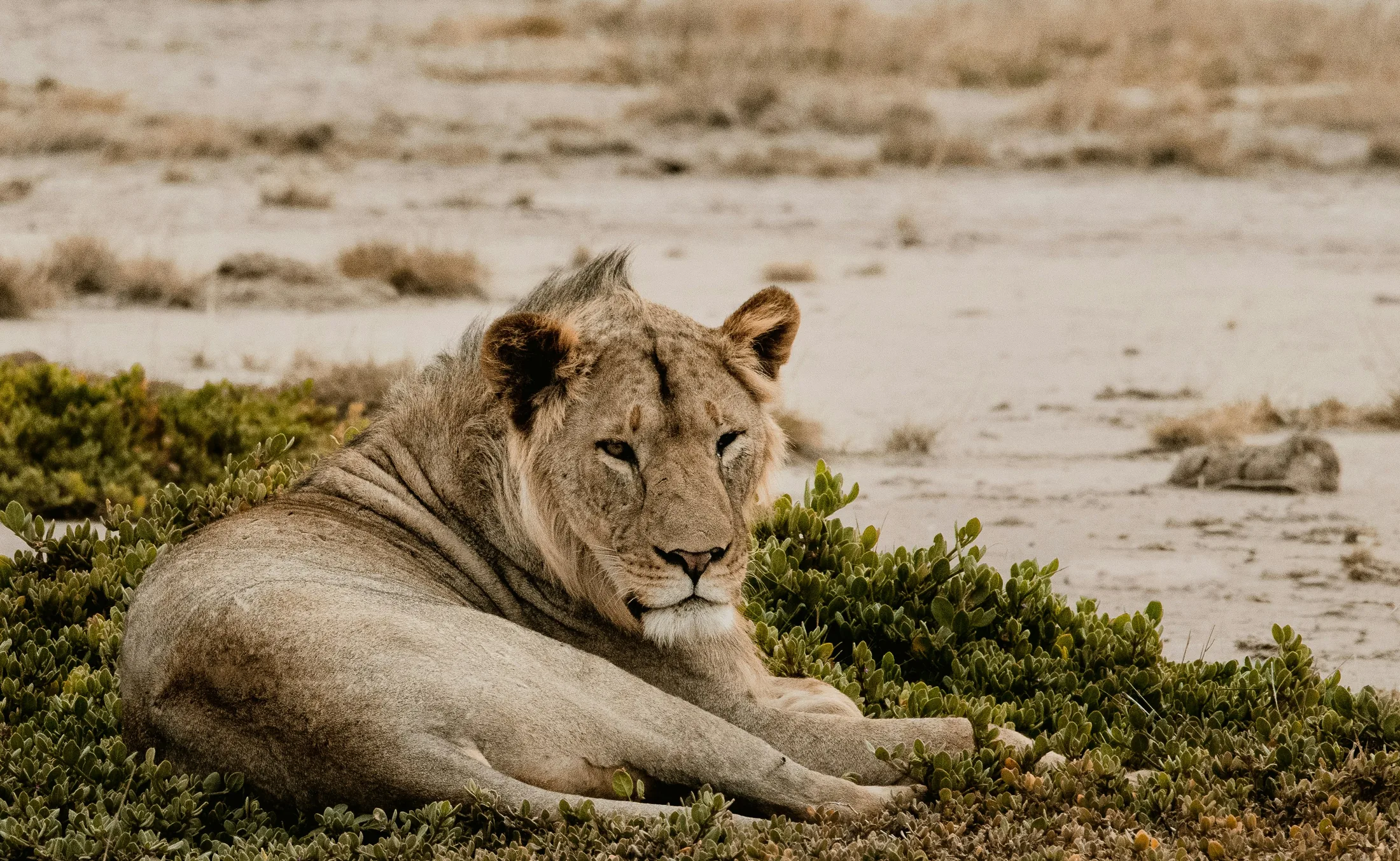
Midday belongs to behaviour, wetlands, high-key experiments and rest. Harsh light can reveal texture when used deliberately. At night, some private areas or lodges may support escorted astronomy or permitted drives, but guests must never walk unaccompanied or create their own activity. KWS lists minimal light pollution among Amboseli’s attractions, while exact access still depends on location.
| Light period | Best possibilities | Technical thought |
|---|---|---|
| Pre-sunrise and dawn | Mountain colour, silhouettes | Raise ISO before motion begins |
| Early morning | Elephants and soft side light | Watch snow highlights |
| Midday | Wetlands, behaviour, high key | Control glare and heat shimmer |
| Late afternoon | Dust, backlight, warm skin | Position before the subject |
| Night where permitted | Stars and camp atmosphere | Use escort and property rules |
Private vehicles, seat position and guide communication
A private vehicle gives control over departure, subject choice and waiting time. Limit photographers so each has a clear side, stable support and space to keep equipment covered. Beanbags work on roof rails or windows where the vehicle design allows. Tripods are often cumbersome inside a safari vehicle; a monopod or support plate may be easier.
Tell the guide about light and background, not only the animal name. “Please place the sun behind the elephant if a legal road allows” is more useful than “get closer.” Agree hand signals for stopping and engine-off moments. The guide also balances other vehicles, animal welfare and the road network, so a desired angle may not be possible.
Camera bodies, focal lengths and settings
A 100-400mm class zoom on a full-frame body is flexible for wildlife, with equivalent ranges adjusted for smaller sensors. A 24-70mm or 24-105mm class lens handles herds, vehicles, people with consent and mountain landscapes. Two bodies reduce dust exposure and prevent missed close encounters. A phone is excellent for video, wide landscapes and quick camp moments.
Begin with shutter speed appropriate to movement, then choose aperture and ISO. Walking elephants often need more speed than their calm pace suggests. Continuous autofocus and short bursts help, but endless frames create an editing burden. Practice changing modes by touch before Kenya. Bring more batteries and cards than a normal holiday, plus a redundant backup routine.
| Subject | Useful focal approach | Common mistake |
|---|---|---|
| Elephant family in habitat | Wide to medium zoom | Cropping out the landscape |
| Distant bird or predator | Long zoom | Too slow a shutter |
| Kilimanjaro and foreground | Wide or compressed telephoto | Clipped snow highlights |
| Close elephant by choice | Shorter zoom ready | Only carrying a prime super-telephoto |
| Night sky where permitted | Fast wide lens and support | Trying the technique for the first time |
See how another photographer approaches Amboseli
This independent photographer discusses repeat trips, tuskers, lens choices, Kilimanjaro and the practical limits behind the famous frame. Use the video as one person’s field experience, then adapt the approach to your equipment and the animals in front of you.
Watch Photography Tips for Visiting Amboseli National Park on YouTube.
Dust, rain and equipment care
Use a closed camera bag, rain cover that also blocks dust, blower, clean cloths and sealed card storage. Keep one lens mounted. Never blow dust with your mouth because moisture makes it stick. Avoid aggressive sensor cleaning in camp unless trained and equipped. Back up cards before formatting, preferably to two separate devices.
Rain arrives quickly and can be followed by extraordinary light. Cover equipment before the first drops, keep a cloth accessible and let wet gear acclimatise before placing it in an air-conditioned room. Silica gel helps only when maintained. Small aircraft have strict baggage limits, so confirm photographic equipment before packing hard cases.
Photography rules and wildlife welfare
KWS requires visitors to stay on established roads, observe a forty-kilometre-per-hour maximum, remain in vehicles except designated areas and view wildlife from at least twenty metres. Do not call, clap, play sounds, feed animals or pressure a driver to break rules. Geotagging sensitive wildlife can create additional risk.
Avoid surrounding a sighting or blocking the direction of travel. If an animal changes behaviour because of the vehicle, the photographer is already part of the scene. Leave space, lower voices and accept the missed frame. Ethical fieldcraft is not separate from image quality. Relaxed animals produce behaviour that a pressured encounter never will.
A three-night Amboseli photography plan
Arrive for an afternoon orientation, then use two full days to revisit habitats under different light. Spend one dawn on an open mountain opportunity and another following current elephant movement. Visit Observation Hill when overhead light or cloud supports the basin view. Keep one afternoon flexible for rest, backup and a weather change.
Share a visual brief before travel, but do not demand a shot list from nature. The mountain may hide. The lions may sleep. Egrets, dust, a calf’s trunk or a storm over the swamp may become the stronger story. The aim is not to reproduce a famous photograph. It is to return with work that could only have come from your time in Amboseli.
What travellers say after the trip
These are exact words from public reviews and discussions. Each person had their own route, budget and expectations, so the value is in the detail rather than treating one experience as a promise.
90+% of our top images are a result of patience.
A safari photographer explaining why waiting with one subject produced stronger work than driving from sighting to sighting.
the dust in Amboseli is no joke so bring a good cover bag for the camera even if you rent the lens.
A traveller recalling what happened to camera equipment after two days in Amboseli.
I had my iPhone and got great shots ◡̈ had a blast while everyone was worrying about camera settings
A safari guest reminding photographers that enjoyment and attention matter more than carrying the largest kit.
Amboseli photography questions
Where is the best place to photograph Kilimanjaro in Amboseli?
Open southern views from legal park roads and some community conservancies can work, but cloud, dust and wildlife position change the best location each morning.
What time is Kilimanjaro clearest?
Early morning often offers the strongest chance before cloud builds, but there is no guarantee. Several dawns improve opportunity.
Is Observation Hill good for photography?
Yes. Its elevated panorama explains the wetlands, lake basin and surrounding plains. It is better for landscape context than eye-level wildlife portraits.
Which lens is best for Amboseli?
A flexible 100-400mm class lens suits much wildlife, while a 24-70mm or similar wider lens handles herds, landscapes and the mountain. Exact choices depend on sensor and style.
Do I need a private safari vehicle?
It is strongly useful for serious photography because the group controls waiting time, angle and equipment space.
Can vehicles drive off road for a better angle?
KWS rules require vehicles to stay on established roads and trails in Amboseli National Park. A photograph never overrides park rules.
How do I protect cameras from Amboseli dust?
Use closed bags or covers, keep a blower and cloth ready, avoid changing lenses in wind and clean equipment only with appropriate tools.
Can I photograph people during a Maasai visit?
Only with informed permission. Agree how images may be used, respect a refusal and do not treat a hosted community experience as an open photo set.
Is a phone enough for Amboseli?
A phone handles landscapes, close animals and video well. Binoculars and presence may add more to the experience than unfamiliar equipment.
How many nights should a photographer stay?
Three nights are a strong minimum for two full days and several dawn or evening opportunities. Specialists may prefer four.
Sources and further reading
Official park, heritage, tourism, aviation and regulatory sources support the practical details in this guide.
Bring home a body of work, not one copied frame
Share your photographic priorities and equipment. We will plan the vehicle, lodge, route and time for elephants, wetlands, mountain weather and the moments nobody can schedule.
Plan an Amboseli photography safari
Tell us your dates, camera kit, skill level, favourite subjects and whether other photographers are travelling.