
Best Time to Visit Meru National Park
Compare every month for roads, rhino viewing, river wildlife, northern species, birds, photography, families, camping and connected Laikipia or Samburu routes.
- Meru is a low, warm and varied park
- Meru’s rainfall pattern
- The seasons at a glance
- January in Meru
- February in Meru
- March in Meru
- April in Meru
- May in Meru
- June in Meru
- July in Meru
- August in Meru
- September in Meru
- October in Meru
- November in Meru
- December in Meru
- Best time for rhino viewing
- Best time for elephants and buffalo
- Best time for lions and leopards
- Best time for northern species
- Best time for birdwatching
- Best time for landscape photography
- Best time for the Born Free story
- Best time for families
- Best time for honeymooners
- Best time for camping and self-driving
- Best time for value
- How many nights to spend in Meru
- Best time to combine Meru and Laikipia
- Best time to combine Meru and Samburu
- Gates, roads and airstrips by season
- A seven-day weather and road routine
- What to pack in every month
- Common timing mistakes
- Frequently asked questions
- Choose the rhythm before the month
- Sources and further planning
Meru does not reveal itself in one sweeping view. A road crosses pale grass, slips into commiphora scrub, finds a river shaded by doum palms and then opens again beside red earth and a far horizon. Elephant tracks disappear into thick green cover. A lesser kudu may stand still long enough to become part of the bush. The quiet is not an absence. It is the way this park asks to be explored.
The best time to visit Meru National Park depends on whether you want easier roads and more open wildlife viewing, green river country and birds, family comfort, photography or a quiet low-season journey. January and February, then June through September, commonly offer the strongest balance of drier roads and general game viewing. March to May brings the broad long-rain tendency. October to December can bring shorter rains, new grass and dramatic skies.
Start with the Meru National Park guide if you still need to compare gates, accommodation, the rhino sanctuary, rivers and the park's distinctive wildlife.
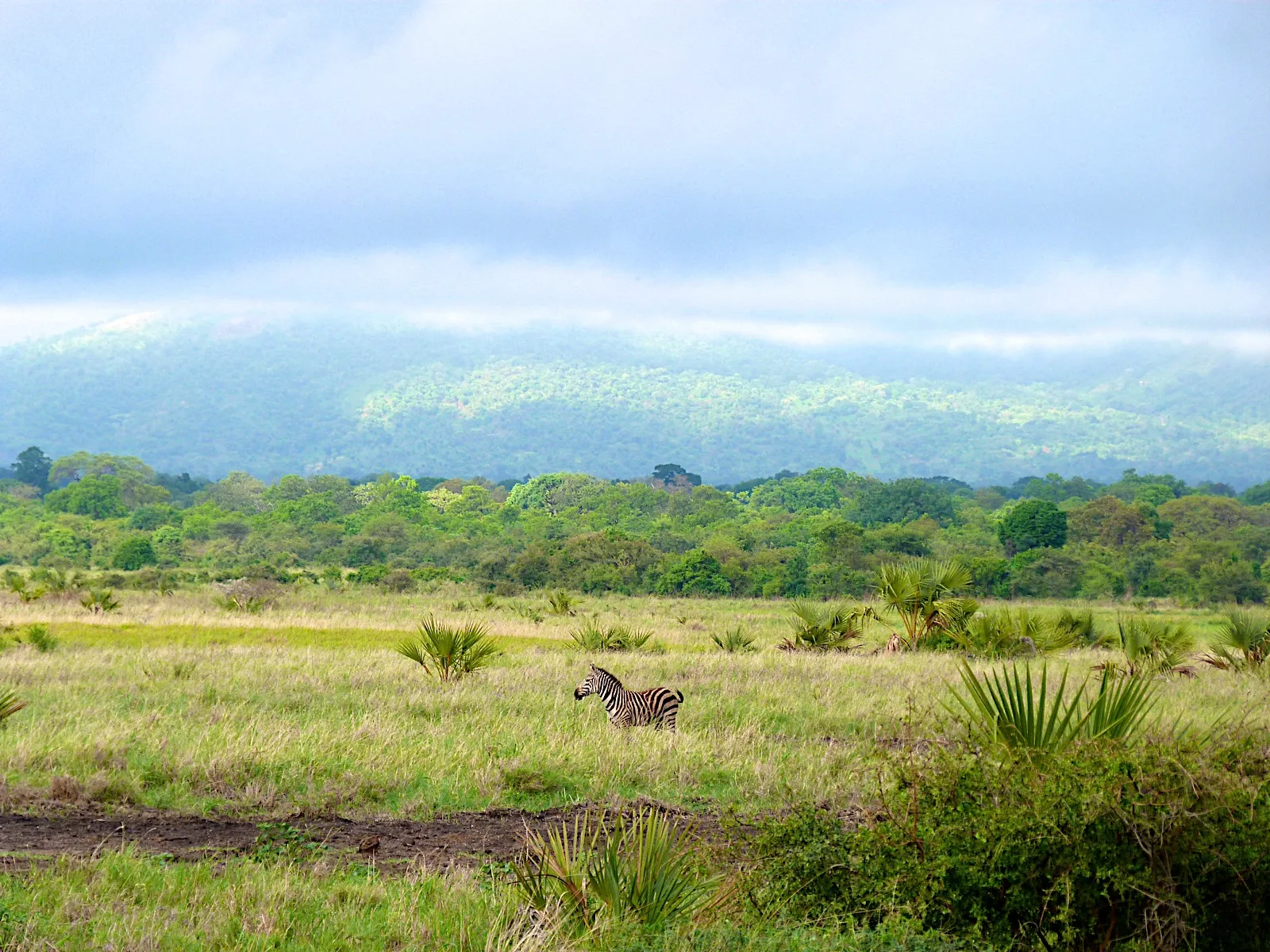
Meru is a low, warm and varied park
Kenya Wildlife Service describes Meru as semi-arid, but that simple label sits beside a landscape crossed by permanent and seasonal watercourses. The park's west receives influence from the Nyambene and Mount Kenya highlands, while lower eastern sectors feel hotter and drier. Riverine forest, open grass, wooded bush, doum palms and swampy ground can all change wildlife visibility on the same day.
| Part of the experience | Seasonal effect |
|---|---|
| Open plains | Dry months shorten grass and make some animals easier to see |
| Dense bush | Rain adds leaf cover and requires slower, more patient driving |
| River corridors | Water and shade remain important in hot dry periods |
| Black-soil or secondary tracks | Sustained rain can make sections muddy or unsuitable |
| Eastern park | Heat, distance and fuel planning matter in every season |
Meru’s rainfall pattern
Meru County broadly follows two rainfall seasons. The long rains tend to develop from March into May. The shorter rains tend to fall from October into December. Timing, quantity and distribution vary, and the lower park can differ from Meru town or the high agricultural slopes farther west.
| Period | Broad tendency | Planning meaning |
|---|---|---|
| January to February | Warmer, often drier interval | Good roads, heat and increasing dust |
| March to May | Long-rain tendency | Green park, road changes and thicker cover |
| June | Transition into cooler drier weather | Improving access with lingering moisture possible |
| July to September | Usually driest long window | Firmer roads and more open visibility |
| October to December | Short-rain tendency | Fresh growth, birds and local storms |
Kenya Meteorological Department county forecasts are more useful for an actual journey than an old monthly average. Read the current Meru bulletin, then ask the lodge or KWS team about the named gate and roads you intend to use.
The seasons at a glance
| Travel window | Landscape | Strongest for | Main compromise |
|---|---|---|---|
| January to February | Warm, dry and increasingly dusty | General wildlife, roads, camping and photography | Hot afternoons and haze |
| March to May | Lush, wet and richly textured | Birds, green scenery, quiet and atmospheric images | Mud, tall cover and changed routes |
| June | Green fading into dry | Balanced scenery and improving roads | Variable transition conditions |
| July to September | Dry, warm and open | First visits, families, rhinos and longer circuits | Dust and greater demand |
| October to December | Renewed green with storm light | Birds, photography and lower vehicle pressure | Unpredictable local rain |
January in Meru
January often begins with some green remaining from the short rains. Roads commonly improve as the month dries, while river lines stay important for shade and wildlife. The park can feel warm by late morning, so the best drives begin early and pause through the hottest hours.
| January priority | Plan |
|---|---|
| Rhino sanctuary | Use the cool morning and allow time for a patient search |
| Northern species | Work open bush and woodland edges slowly |
| Camping | Carry more drinking water than seems necessary |
| Photography | Protect equipment from dust as roads dry |
February in Meru
February is often one of Meru's warmer, drier months. Vegetation may thin, improving sightlines in open country, but dense bush still rewards quiet observation rather than speed. Animals use shade and water as the day heats.
| February rhythm | Why it works |
|---|---|
| Dawn departure | Cooler animals, people and vehicle |
| Midday near camp | Avoid the least comfortable heat |
| Late river circuit | Shade, birds and returning wildlife activity |
| Sunset close to base | Avoid a long race to the gate or lodge |
A traveller remembered a dry Meru visit this way: “It was quite warm and very dusty due to a lack of rain.” The full forum account is a useful reminder to plan water, sun protection and dust care rather than treating dry weather as effortless.
March in Meru
March is a hinge month. Early weeks can remain hot and dry. Later weeks may receive the first sustained long-rain storms. Fresh grass can appear quickly after rain, while certain secondary roads become slower.
| March decision | Safer approach |
|---|---|
| Fixed self-drive loop | Ask KWS about current road condition first |
| Long eastern circuit | Carry fuel, water and a route alternative |
| Outdoor lunch | Keep a covered option |
| Photography | Prepare for both dust and rain |
April in Meru
April commonly sits inside the long rains. This is not automatically a month to avoid. The park can look magnificent, migratory and resident birds are active, and low vehicle pressure suits travellers who enjoy landscape as much as a checklist. The trade-off is real: tall vegetation, local flooding and sticky roads can reduce the circuits available.
| April strength | April limit |
|---|---|
| Deep green colour | Animals disappear easily into cover |
| Dramatic storm skies | Heavy rain can pause a drive |
| Bird activity | Some tracks may be unsuitable |
| Quiet camps | A property or service may operate differently |
May in Meru
May often remains wet, particularly early in the month. River landscapes can be full and beautiful. A traveller comfortable with flexible days may enjoy extraordinary solitude, but a short, tightly timed self-drive can lose too much time if the planned road is not usable.
| May traveller | Fit |
|---|---|
| Repeat safari visitor | Strong if quiet and habitat matter |
| Dedicated birder | Strong with a specialist guide |
| First-time short safari | Better with flexible dates and local driver |
| Photographer | Strong for colour, weak for predictable light |
June in Meru
June is a transition toward cooler, drier conditions. The park may still hold green colour while main roads begin to firm. Mornings can feel noticeably cooler than February, especially in an open vehicle before sunrise.
| June advantage | Preparation |
|---|---|
| Green background | Bring a warm dawn layer |
| Improving roads | Confirm lingering wet sections |
| Lower pressure than peak months | Check lodge opening and flight schedule |
| Comfortable daytime drives | Keep rain shell accessible |
July in Meru
July begins Meru's most dependable dry-season window. Cooler mornings extend comfortable viewing time. Roads are commonly firmer, and receding vegetation improves sightlines. School holidays can tighten family rooms and private vehicles even though the park rarely feels busy in the way the Mara can.
| July priority | Planning note |
|---|---|
| Family safari | Reserve a private vehicle and suitable room early |
| Rhino viewing | Allow a half day rather than a rushed stop |
| Long circuit | Start early with food, water and fuel |
| Camping | Prepare for cool dawn and warm afternoon |
August in Meru
August is dry, relatively cool in the mornings and well suited to a first visit. Wildlife often gathers around reliable water and river lines, but Meru's bush means a dry month never turns the park into an open zoo. Three or four nights still create a better experience than one frantic day.
| August strength | Honest expectation |
|---|---|
| Firmer roads | Corrugation and dust can remain |
| Thinner vegetation | Leopards and lesser kudu are still elusive |
| Comfortable long drives | Midday sun remains strong |
| Family holiday fit | Availability can be the limiting factor |
September in Meru
September is often the best all-round month. It combines dry roads, open visibility, warm days and lower school-holiday pressure after the busiest August weeks. Late dry-season dust and heat can intensify, especially toward the eastern park.
| September goal | Why it fits |
|---|---|
| First Meru safari | Broad access and easier planning |
| Photography | Open views, dust light and water activity |
| Rhino sanctuary | Reliable road access in typical conditions |
| Meru and Samburu route | Dry-season logistics often align |
October in Meru
October can begin hot and dry, then change when the short rains arrive. The first storms settle dust, raise fresh green shoots and create dramatic cloud. Wildlife may spread away from permanent water as temporary sources fill.
| October variable | Response |
|---|---|
| Rain onset | Ask what has fallen, not what normally falls |
| New vegetation | Slow down for animals hidden in fresh cover |
| Storm light | Keep camera protection within reach |
| Road change | Replace a fixed loop with two safe alternatives |
November in Meru
November commonly carries the strongest short-rain tendency. Rain may arrive as local storms rather than all-day drizzle. One section of the park can be wet while another remains passable. This is a rewarding birding and landscape month for travellers who accept uncertainty.
| November benefit | November caution |
|---|---|
| Fresh foliage and flowers | Taller visual cover |
| Active birds and insects | More mosquitoes after local rain |
| Quiet roads | Mud and standing water |
| Soft or dramatic light | Cloud can close a planned sunset |
December in Meru
December can remain green from the short rains while brighter intervals lengthen. Holiday demand affects the best rooms, vehicles and flights. Families should choose a base that makes short drives rewarding, because a child should not spend every day crossing the entire park.
| December choice | Better design |
|---|---|
| Family holiday | Private vehicle and flexible meal times |
| Couple's safari | Quiet room position and one unhurried full day |
| Self-drive | Current gate, road and fuel confirmation |
| Birding | Mixed habitat route with a knowledgeable guide |
Best time for rhino viewing
Meru's rhino sanctuary is a major reason to visit. Both black and white rhinos occur, but each uses habitat differently. White rhinos often favour more open grazing areas. Black rhinos browse thicker vegetation and can remain hidden even when close.
| Condition | Effect on the search |
|---|---|
| Dry, shorter grass | Better sightlines in open areas |
| Green season | Beautiful setting but more cover |
| Cool morning | Comfortable time for a patient circuit |
| Rushed itinerary | Encourages driving past the habitat too quickly |
No month guarantees a rhino, and a sanctuary visit is not a quick enclosure stop. Give the guide time to read tracks, recent reports and habitat.
Best time for elephants and buffalo
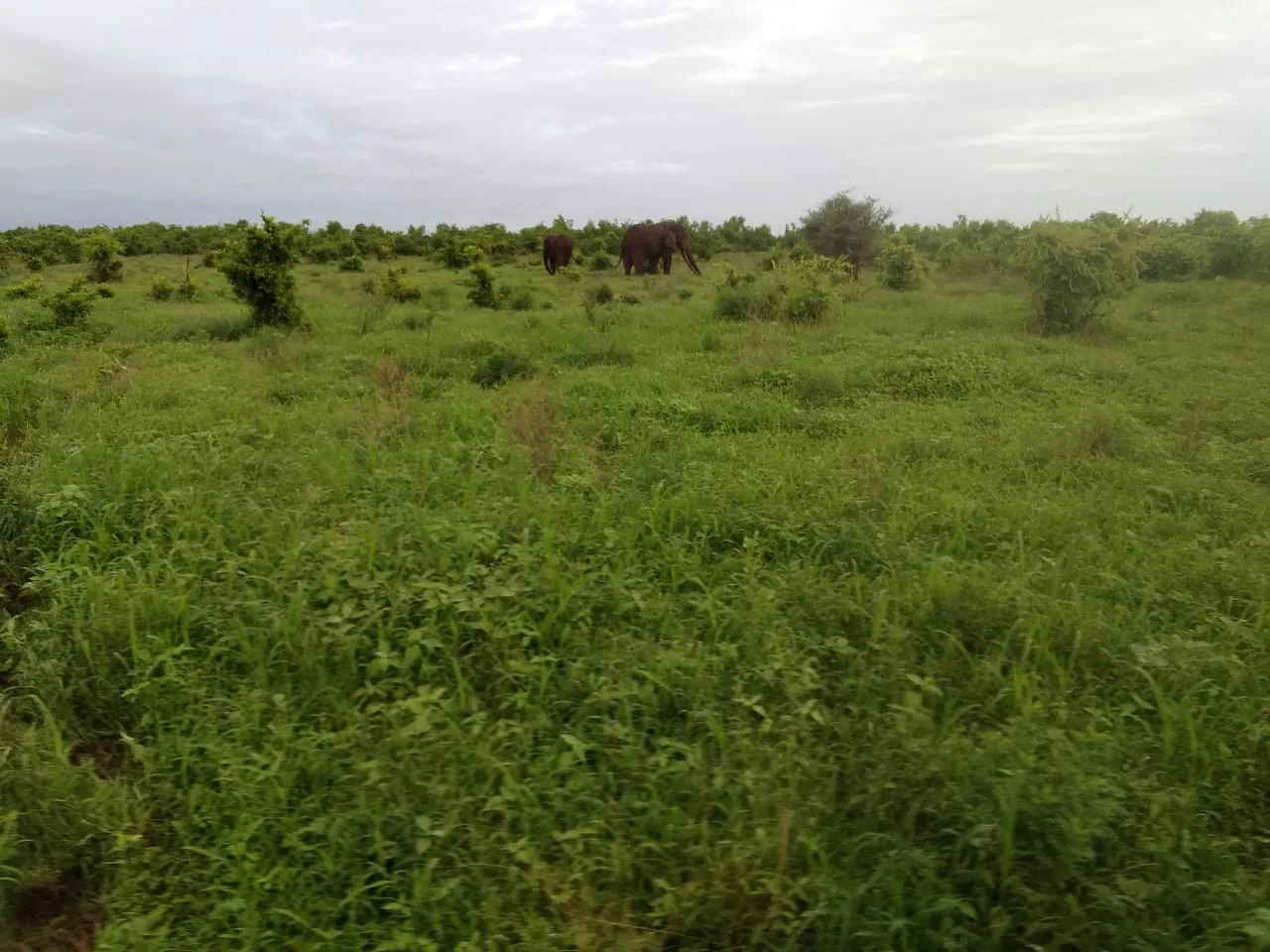
Elephants move between grass, woodland and river corridors according to food, water and disturbance. Buffalo may appear in large groups or vanish into cover. Dry months can concentrate both around reliable resources, while rains open more of the landscape.
| Season | Likely viewing pattern |
|---|---|
| Late dry period | Greater attention to rivers and water |
| Early rain | Dispersal into fresh grazing |
| Wet period | Lush setting and reduced sightlines |
| Any month | Guide knowledge beats repeated fast circuits |
Best time for lions and leopards
Lions live in Meru, but broad territories and tall or woody vegetation make encounters less predictable than on the Mara plains. Leopards are even more elusive. Dry conditions improve some sightlines, yet time, luck and skilled tracking remain essential.
| Predator plan | Reason |
|---|---|
| Stay at least three nights | More dawn and dusk opportunities |
| Listen for alarm calls | Prey can reveal what the eye misses |
| Work river edges slowly | Shade and cover attract many species |
| Avoid a Big Five promise | Meru's reward is the whole wilderness |
One visitor captured the right attitude in a simple line: “Meru is a beautiful place to drive around, even if you cant find the animals.” The complete review describes hearing abundant wildlife at night while daytime sightings required patience.
Best time for northern species
Meru lies within reach of wildlife associated with northern Kenya, including reticulated giraffe, Grevy's zebra, gerenuk, lesser kudu and Somali ostrich. Habitat and chance determine a sighting more than month alone.
| Species interest | Useful approach |
|---|---|
| Reticulated giraffe | Scan open woodland and longer views |
| Gerenuk | Watch dry bush edges patiently |
| Lesser kudu | Slow down in thick cover |
| Grevy's zebra | Ask about current distribution |
| Somali ostrich | Use open dry-country circuits |

Best time for birdwatching
Meru's rivers, woodland, grassland and dry bush create excellent variety. Green months from roughly November through April can add migrants, breeding colour and insect activity. Dry months make travel simpler and concentrate birds near water.
| Birder type | Strong window |
|---|---|
| Maximum seasonal variety | November to April |
| Easy-road first birding safari | July to September |
| River and wetland focus | After useful rain, subject to access |
| Photography | Early morning in any month |
Best time for landscape photography
Meru gives photographers more than animals. Doum palms, baobabs, red roads, storm fronts, river forest and enormous skies tell the park's story. Dry and green seasons simply tell it differently.
| Visual style | Better conditions |
|---|---|
| Dusty warm light | Late dry season |
| Saturated green and cloud | Long or short rains |
| Wildlife in open grass | Drier months |
| Reflections and wet ground | After rain, with safe access |
| Stars over camp | Clear dry forecast and low moon preference |
Best time for the Born Free story
Elsa's Grave, Pippa's Grave and the landscape connected to Joy and George Adamson can be visited when roads and the daily route allow. These places sit within a large park, so geography matters. A wet road or late start can make the full historic circuit impractical.
Use the detailed guide to Born Free, Elsa the lioness and Meru's conservation history to understand the people, animals and places before turning the visit into a route.
| Heritage priority | Planning choice |
|---|---|
| Elsa's Grave | Confirm the road and river-sector circuit |
| Pippa's Grave | Ask whether it fits the same day's geography |
| Adamson story | Read the history before arrival |
| Photography | Keep the visit quiet and respectful |
Best time for families
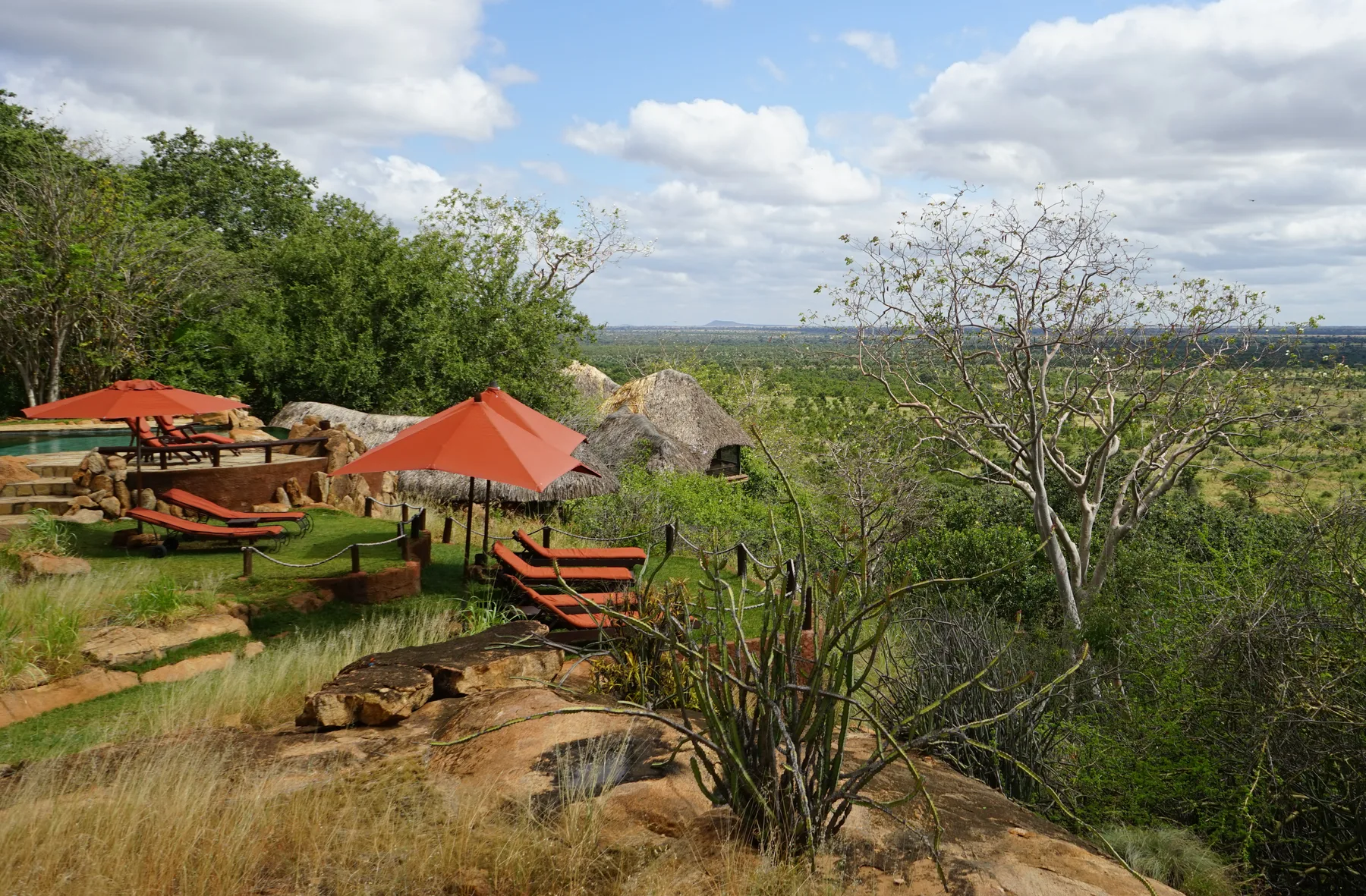
July, August, December and early January align with many school holidays. The strongest family plan is not automatically the driest month. It is the month when the right room, private vehicle and sensible pace are available.
| Family need | Meru solution |
|---|---|
| Short attention span | Rewarding loops close to the lodge |
| Teen wildlife interest | Rhino sanctuary and conservation context |
| Heat sensitivity | June to August and midday rest |
| Rainy-season visit | Comfortable lodge and flexible indoor time |
| Multi-generation group | Private vehicle and minimal room-to-vehicle steps |
Best time for honeymooners
Meru's low vehicle pressure gives couples privacy even in the dry season. January, February and September are strong for outdoor time and clear logistics. Green months create dramatic colour and a slower lodge rhythm.
| Couple's priority | Best fit |
|---|---|
| Private wildlife viewing | Three or four nights in any suitable month |
| Outdoor dinner | Dry forecast with covered alternative |
| Landscape photography | Green-season cloud or late dry dust light |
| Meru and beach | Choose flight connections before the month |
Best time for camping and self-driving
KWS lists public and special campsites, but remote camping requires preparation in every month. A capable 4×4, water, food, reserve fuel, offline navigation, recovery equipment and a current road briefing are not optional extras.
| Condition | Self-drive response |
|---|---|
| Dry and corrugated | Reduce speed and protect tyres |
| Wet black soil | Turn back before traction is lost |
| Remote eastern circuit | Travel with fuel and time margin |
| River crossing or washout | Use KWS direction, never test it casually |
| Wildlife at camp | Stay inside safe areas after dark |
Best time for value
Green-season rates can be attractive, but a lower room price does not guarantee a lower trip total. Vehicle, private guide, transfers, park fees and any changed flight availability still matter.
| Compare | Why |
|---|---|
| Exact room and board basis | Seasonal offer may apply to one category |
| Park entry days | Every added day affects cost |
| Road or air transfer | Time and vehicle cost change the total |
| Private vehicle | Important for families and photographers |
| Cancellation terms | Weather flexibility has value |
The detailed Meru safari cost and park fees page separates the park, vehicle, accommodation and transfer decisions.
How many nights to spend in Meru
Two nights gives only one full day. That can work for a specific sanctuary visit, but it reduces Meru to a rush. Three nights is a strong minimum. Four nights gives room for the sanctuary, rivers, eastern landscapes and a heritage site without turning every day into a long transfer.
| Stay | Realistic scope |
|---|---|
| Two nights | One full wildlife day close to the chosen base |
| Three nights | Two full days, sanctuary plus wider habitat |
| Four nights | Three full days with heritage, birds or eastern circuit |
| Five nights | Slow photography, camping or deep wildlife focus |
Rain makes an extra night more valuable because the guide can change the order of drives. Dry weather makes it valuable because Meru's distances deserve time rather than speed.
Best time to combine Meru and Laikipia
Meru and Laikipia create a strong contrast between lower river country and higher conservancy plateau. January to February and July to September commonly give the easiest shared logistics. Green-season combinations suit birders and photographers with flexible transport.
| Route question | Decision |
|---|---|
| Meru to Lewa | Road time, gate position and final conservancy transfer |
| Meru to Ol Pejeta | Long overland day or tailored stop |
| Wet season | Separate Meru and Laikipia road reports |
| Family route | Avoid using a safari day only for a long transfer |
Compare the same dates against the best time to visit Laikipia rather than assuming the two regions share one climate.
Best time to combine Meru and Samburu
The dry windows from January to February and June to September often suit both areas. Samburu is strongly shaped by the Ewaso Ng'iro River, while Meru has many separate waterways and thicker habitat. Rain can affect them differently.
| Combination | Plan |
|---|---|
| Dry season | Reserve enough nights for each park's different pace |
| Short rains | Check Samburu river crossings and Meru tracks separately |
| Birding | Use a specialist guide across both ecosystems |
| Road route | Confirm gate-to-gate time, not town-to-town time |
Use the best time to visit Samburu for the northern half of the route.
Gates, roads and airstrips by season
KWS describes Meru as accessible all year and lists road approaches through Murera and Ura, plus airstrips at Kinna, Mulika and Mughwongo. That does not mean every road is equally suitable after heavy rain.
| Access choice | Confirm |
|---|---|
| Murera Gate | Current approach and lodge transfer |
| Ura Gate | Road condition and intended park sector |
| Kinna airstrip | Flight operation and ground transfer |
| Mulika airstrip | Exact lodge and baggage arrangement |
| Mughwongo airstrip | Property transfer and schedule |
A seven-day weather and road routine
Historic patterns help select a season. Current reports decide the real route.
| Time | Action |
|---|---|
| At booking | Choose the base, gate and seasonal alternative |
| Seven days before | Read the official KMD county forecast |
| Three days before | Ask about rain, roads, airstrip and river circuits |
| Previous day | Confirm flight, driver, gate and luggage |
| Each morning | Let the guide reorder the day around conditions |
What to pack in every month
Meru is often warm, but an open vehicle at dawn can still feel cool. Rain and dust can occur within the same shoulder-season trip.
| Item | Reason |
|---|---|
| Light breathable clothing | Warm afternoons |
| Warm dawn layer | Open-vehicle wind |
| Waterproof shell | Sudden rain and spray |
| Sun hat and sunscreen | Strong equatorial sun |
| Insect repellent | Riverine habitat and wet periods |
| Binoculars | Birds and animals in cover |
| Dust protection | Dry roads and camera care |
| Water and reserve fuel | Remote circuits and self-driving |
Common timing mistakes
| Mistake | Better choice |
|---|---|
| Booking one night | Give Meru at least two full wildlife days |
| Treating semi-arid as waterless | Plan around the park's river habitats |
| Promising the Big Five | Value tracks, birds, landscape and privacy |
| Using a Meru town forecast alone | Check the lower park and exact sector |
| Assuming all-year access means every road | Ask about the named circuit |
| Filling every hour | Leave room for a slow sighting or storm |
Frequently asked questions
What is the best month to visit Meru National Park?
September is an excellent all-round option. July, August, January and February are also commonly strong for roads and wildlife viewing.
When are the long rains in Meru?
The broad long-rain tendency runs from March into May. Exact onset, intensity and end vary.
When are the short rains in Meru?
The broad short-rain tendency runs from October into December, often as local storms with bright intervals.
Is Meru good in April or May?
Yes for green landscapes, birds, low visitor pressure and photography. Accept road changes, thicker cover and flexible days.
Is Meru open all year?
KWS describes the park as accessible year-round. Specific roads, campsites, airstrips or activities can still change with conditions.
Which season is best for rhinos?
Rhinos are present throughout the year. Drier months can improve open sightlines, while green months add more cover.
Is September a good month for Meru?
Yes. September often combines dry roads, open visibility, warm days and slightly lower family-holiday demand than August.
Can I visit Meru during the short rains?
Yes. Expect fresh green growth, birds and dramatic skies, with a capable vehicle and flexible road plan.
How many nights should I stay?
Three nights is a strong minimum. Four nights gives better time for the sanctuary, rivers, heritage and wider park.
Is Meru suitable for children?
Yes with a family-friendly room, private vehicle, short loops and midday rest during hot months.
Should I fly or drive?
Both can work. Compare the exact gate, airstrip, baggage, group size, onward route and value of time.
Does a dry month guarantee wildlife sightings?
No. Meru remains wooded and wild. Time, habitat, guide skill and luck matter in every month.
Choose the rhythm before the month
The best time to visit Meru National Park is not only a weather decision. It is a choice between the clean logistics of dry roads, the colour and birds of a green park, the privacy of low season and the comfort needs of the people travelling.
Choose the base and number of nights first. Then match the season to the rhino sanctuary, river circuits, heritage, family pace or photographic style you care about. The Meru safari packages page can turn those decisions into a route without forcing Meru into a generic Kenya circuit.
Sources and further planning
Choose your Meru travel dates
Share your dates, travellers, wildlife priorities, accommodation style and next destination. We will compare the real seasonal trade-offs.