
Best Time to Visit Samburu: A Month-by-Month Weather and Wildlife Guide
Compare Samburu month by month for wildlife concentration, green landscapes, river conditions, heat, road access, birding, photography, family comfort and price pressure.

- Best time to visit Samburu at a glance
- Samburu has two dry periods and two rainy periods
- The Ewaso Nyiro River shapes the safari
- Dry season does not mean every animal stands beside the river
- Green season does not mean the wildlife disappears
- Samburu in January
- Samburu in February
- Samburu in March
- Samburu in April
- Samburu in May
- Samburu in June
- Samburu in July
- Samburu in August
- Samburu in September
- Samburu in October
- Samburu in November
- Samburu in December
- What the rains actually change
- How road conditions change after rain
- Heat matters as much as rain
- Dust can be beautiful and difficult
- The Samburu Special Five are year-round residents
- Elephant viewing changes with water and movement
- Predator sightings are never a calendar appointment
- Best time for birdwatching in Samburu
- Best time for wildlife photography
- Best time for families
- Best time for a honeymoon
- Best time for lower prices
- Best time for fewer vehicles
- Samburu, Buffalo Springs and Shaba have separate identities
- Combining Samburu with Ol Pejeta
- Combining Samburu with Meru
- Road or flight can change the best month for you
- Where you stay changes the seasonal experience
- How many nights to allow in each season
- What to pack for the dry months
- What to pack for the green months
- Health and comfort through the seasons
- A month-by-month decision shortcut
- How to compare the complete seasonal cost
- Questions to ask before confirming the dates
- Frequently asked questions about the best time to visit Samburu
The best time to visit Samburu depends on what you want the country to look and feel like. In a dry month, the Ewaso Nyiro River becomes the organising line of the safari. Elephants, antelope and predators spend more time around reliable water, dust hangs in the late light, and roads are usually easier. After rain, the same landscape can turn green almost overnight. Wildlife spreads into fresh grazing, birds become busier, clouds build above the hills, and some roads demand patience.
Neither version is the “real” Samburu. Both are.
This guide compares every month, then translates the seasons into practical decisions about heat, river conditions, roads, wildlife, birds, photography, families, prices and nearby reserves. Rainfall is naturally variable, so no calendar can promise a dry Tuesday or a dramatic storm. It can, however, help you choose the odds that suit you.
Best time to visit Samburu at a glance
| Travel priority | Strong months | Main tradeoff |
|---|---|---|
| Most dependable dry-season wildlife viewing | June to October | Higher demand in July and August |
| Hot, dry safari outside the main long holiday | January and February | Strong afternoon heat |
| Green landscape and dramatic skies | November, December and March | Wildlife may be more dispersed |
| Migratory and active birdlife | November to April | Rain can interrupt some routes |
| Lower seasonal price pressure | April, May and parts of November | Some properties or roads may be affected |
| Family school holidays | July, August and late December | Book rooms and private vehicles early |
| Dust and warm backlight photography | July to October | Dry air, dust and harsher midday light |
| Rich colour and cloud photography | Green months | Mud, changing light and less predictable access |
The Samburu safari guide explains the reserve and wider ecosystem. Use this page to choose the month, then the Samburu safari packages page to build the route.
Samburu has two dry periods and two rainy periods
Samburu lies in Kenya's arid north. Reserve guidance records relatively low annual rainfall, with rainfall peaks around April and November. The broad pattern is a longer drier period from late May into early October, shorter dry conditions around January and February, long rains around March to May and short rains around October or November into December.
| Broad period | Typical pattern | Planning meaning |
|---|---|---|
| January to February | Hotter, usually drier | Good access and wildlife around water |
| March to May | Long-rain period | Greener country, road risk and variable lodge operations |
| June to October | Longer dry period | Reliable access and increasing water concentration |
| October or November to December | Short-rain period | Storms, fresh growth and changing wildlife distribution |
The edges shift from year to year. A date label is a planning clue, not a weather guarantee.
The Ewaso Nyiro River shapes the safari
Samburu National Reserve sits north of the Ewaso Nyiro, with Buffalo Springs on the southern side. In dry conditions, permanent water and riverine vegetation draw animals into a narrower band. After rain, temporary water and fresh grazing let wildlife spread farther from the river.
| River condition | Likely safari effect |
|---|---|
| Low but flowing | Wildlife may concentrate along the corridor |
| Stronger flow after rain | River scenery and bird activity change |
| Flood or unsafe crossing | Routes between land units may be restricted |
| Local dry channels | Guides work farther along reliable water areas |
The planned Ewaso Nyiro River guide will examine the ecology in more depth.
Dry season does not mean every animal stands beside the river
Dry-season concentration improves the odds of productive drives, but animals still move across a large ecosystem. Elephants may walk long distances. Predators rest in shade. Grevy's zebra and oryx use dry-country habitats away from the main river.
| Dry-season expectation | More accurate version |
|---|---|
| Wildlife is everywhere | Sightings can be strong around key water and habitat |
| Predators are guaranteed | Guides read tracks, shade and prey movement |
| Every drive is busy | Quiet stretches remain normal |
| The river is always full | Flow depends on upstream rain and wider conditions |
Two or three full drive periods give the landscape time to reveal itself.
Green season does not mean the wildlife disappears
Rain creates temporary water and fresh forage, so animals spread out. That can reduce the easy concentration along the river while opening different behaviours across the plains. Green backgrounds, young vegetation, insects and bird activity can make the reserve feel newly alive.
| Green-season strength | Green-season challenge |
|---|---|
| Fresh colour and clean air | Wildlife may be less concentrated |
| Dramatic clouds | Light changes quickly |
| Bird activity | Some roads become muddy |
| Fewer vehicles | Recovery can take longer if a vehicle gets stuck |
| Seasonal value | A property may close or limit operations |
Choose green season because you want its character, not only because a rate is lower.
Samburu in January
January often brings hot, drier conditions after the short rains. The reserve can retain some green colour while road access settles. Wildlife still depends on the river and reliable water, especially as the month progresses.
| January feature | What to plan |
|---|---|
| Heat | Early drives, shaded lunch and pool time |
| Residual green | Good colour may remain after rain |
| Wildlife | Work the river and guide knowledge |
| Demand | New Year dates can be busy |
| Family fit | Good if heat is managed well |
January suits travellers who can handle warm afternoons and want drier access without the July and August holiday pattern.
Samburu in February
February is often hot and dry, with strong wildlife-viewing conditions around water. Dust can increase, the midday light can be fierce, and a well-ventilated room becomes valuable.
| February priority | Practical choice |
|---|---|
| Wildlife | Spend dawn and late afternoon near productive habitat |
| Photography | Use warm edges of the day and protect equipment from dust |
| Comfort | Check fan, pool, shade and water supply |
| Road | Usually dependable, subject to local conditions |
| Romance | Good for a warm winter escape with slow midday time |
For many adults, February is excellent. Families with very young children should think carefully about heat and vehicle hours.
Samburu in March
March is a transition. Some years remain largely dry into the month. In others, storms arrive and the landscape begins to change. This uncertainty can reward flexible travellers with fewer vehicles, strong skies and a mix of dry and green conditions.
| March possibility | Response |
|---|---|
| Dry start | Follow river concentration patterns |
| Early storms | Carry rain covers and allow road flexibility |
| Rising humidity | Check room ventilation |
| Changing wildlife distribution | Give the guide time to search wider habitat |
| Seasonal rates | Compare terms, not only headline price |
March is a good choice when your itinerary can absorb a weather adjustment.
Samburu in April
April is commonly one of the wetter months. Rain can transform the reserve, fill temporary pools and soften black-soil tracks. A capable 4×4, an experienced guide and current local information are essential.
| April strength | April risk |
|---|---|
| Green landscapes | Mud and route closures |
| Birds and insects | More mosquitoes and damp gear |
| Fewer visitors | Less immediate assistance on quiet tracks |
| Potential value | Some facilities may reduce operations |
April suits birders, photographers and repeat safari travellers who value mood and can accept that a planned circuit may change.
Samburu in May
May often continues the long-rain pattern, though conditions may begin to ease later in the month. Vegetation can be lush and the reserve quiet. Road recovery is uneven, so one sector may be accessible while another remains difficult.
| May question | Why it matters |
|---|---|
| Is the lodge operating normally? | Some properties schedule maintenance |
| Which roads are open? | Rain impact is local, not uniform |
| Can the airstrip receive flights? | Surface conditions can affect operations |
| Is the itinerary flexible? | A route may need to change at short notice |
| Are transfers private? | Flexibility is easier without a shared schedule |
May should be chosen deliberately, not sold as a dry-season safari at a discount.
Samburu in June
June is a transition into the longer dry period. Roads usually improve, vegetation may still hold green colour and wildlife begins to rely more heavily on permanent water. Temperatures can feel kinder than the hottest months.
| June advantage | Possible caveat |
|---|---|
| Improving access | Early-month roads may still be recovering |
| Green and gold mix | Wildlife may not yet be tightly concentrated |
| Moderate demand | School-holiday traffic grows later |
| Good photography | Dust increases as the month dries |
June is one of the most balanced choices for travellers who want reliable access without the driest landscape.
Samburu in July
July is firmly within the dry season. Wildlife viewing around the river and other reliable water can be productive, roads are usually dependable, and cooler mornings make early drives comfortable.
| July feature | Plan |
|---|---|
| Dry access | Use dawn and dusk fully |
| Strong demand | Reserve rooms and private vehicles early |
| Cool starts | Carry a light layer in the vehicle |
| Dust | Protect cameras and contact lenses |
| Family travel | Choose a true family room and sensible drive pace |
July works especially well in a wider Kenya route, but popular lodge categories can sell out long before arrival.
Samburu in August
August continues the dry-season pattern and often suits first-time safari travellers. It can still rain. One visitor wrote, “August weather was rainy on one day, otherwise perfect temperature.” The full Samburu review is a useful reminder that a dry-season label never excludes a shower.
| August advantage | Tradeoff |
|---|---|
| Reliable wildlife strategy | High seasonal demand |
| Strong road access | Dust and busy lodge dates |
| Comfortable mornings | Warm afternoons |
| Easy combination with other parks | More advance planning required |
August is dependable, but it is not the only good month.
Samburu in September
September can be dry, warm and rewarding. The landscape may look austere away from the river, while water-dependent wildlife becomes easier to read. It often has less family-holiday pressure than August.
| September feature | What it means |
|---|---|
| Advanced dry season | Strong water-focused game plan |
| Dust | Beautiful backlight and equipment care |
| Warm days | Long midday rest helps |
| Less school-holiday demand | Availability may improve after August |
| Low vegetation | Easier visibility in some habitats |
This is a strong month for photographers who like warm colour and controlled dust.
Samburu in October
October sits near the shift from dry conditions into the short rains. Early October may feel like September. Later in the month, storms can arrive, though onset varies widely.
| October scenario | Planning response |
|---|---|
| Dry continuation | Follow river and water concentration |
| First storms | Add rain protection and road flexibility |
| Hot build-up | Check cooling and midday plan |
| Fresh grass | Expect wildlife to begin dispersing |
| Dramatic skies | Keep camera gear ready and protected |
October suits flexible travellers who enjoy watching a landscape change.
Samburu in November
November is commonly associated with the short rains. A storm may be brief and intense, followed by clear light. Fresh vegetation softens the dry country, birds become more active and wildlife no longer needs to remain as tightly beside the river.
| November reward | November challenge |
|---|---|
| Green colour and skies | Mud after local storms |
| Bird activity | Wildlife is more dispersed |
| Fewer vehicles | Less predictable drive routes |
| Seasonal value | Rain terms and transfer plans matter |
For photographers and birders, November can be far more interesting than a simple “low season” label suggests.
Samburu in December
December can begin green and showery, then settle into warmer, drier spells. Christmas and New Year demand can sharply increase prices and availability pressure even when the weather remains variable.
| December period | Consider |
|---|---|
| Early month | Green landscapes and quieter dates |
| Mid month | Changing rain pattern |
| Festive weeks | Minimum stays and high demand |
| Family travel | Interconnecting rooms and private vehicle |
| Road or flight | Holiday schedules and buffers |
December is two travel seasons in one. Early and festive dates should be compared separately.
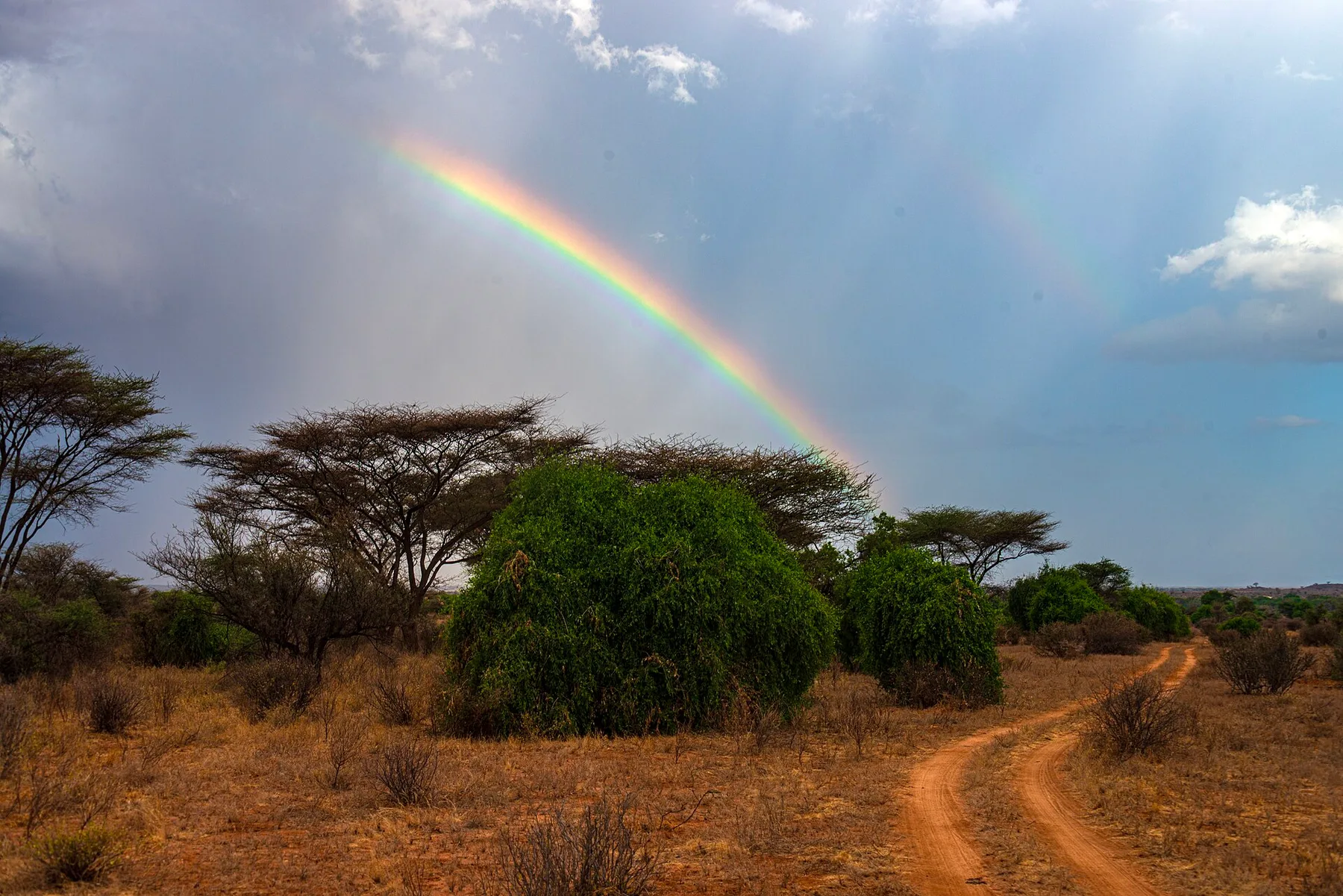
What the rains actually change
Rain changes more than the colour of the grass. It changes where animals drink, which roads hold, how much dust hangs in the air, when insects emerge and how far a guide must search.
| After rain | Safari effect |
|---|---|
| Temporary water appears | Wildlife spreads beyond the river |
| Fresh grass grows | Grazers move into new feeding areas |
| Insect activity rises | Birds and smaller wildlife become active |
| Black soil softens | Some routes become unsafe |
| Dust settles | Air clears and colours deepen |
A good green-season plan protects flexibility instead of forcing the dry-season route onto wet ground.
How road conditions change after rain
The main access road may be fine while an internal black-soil loop is not. Rainfall can be highly local. The decision belongs with an experienced driver-guide using current information, not with an itinerary printed months earlier.
| Road safeguard | Why |
|---|---|
| Proper 4×4 | Traction and clearance |
| Recovery equipment | Self-reliance on quiet tracks |
| Local updates | Conditions change within hours |
| Route flexibility | Avoids damaging roads or getting stranded |
| Daylight buffer | Recovery is harder after dark |
Never pressure a guide to cross water or mud they consider unsafe.
Heat matters as much as rain
Samburu days can be hot in any month, with January, February and dry-season afternoons often demanding careful pacing. Vehicle roofs, drinking water, room ventilation and pool access matter.
| Heat question | Good answer looks like |
|---|---|
| Drive schedule | Early and late wildlife time |
| Midday | Shade, lunch and rest |
| Room | Ventilation, fan and reliable water |
| Children | Shorter drive blocks and hydration |
| Medication | Cool storage if required |
Heat tolerance is personal. Say what you need before the lodge is chosen.
Dust can be beautiful and difficult
In the drier months, fine dust creates glowing backlight and covers bags, lenses and skin. It is part of the visual character, but it deserves preparation.
| Dust issue | Useful item or habit |
|---|---|
| Camera sensor | Avoid frequent lens changes |
| Lenses | Blower and soft cloth |
| Eyes | Glasses and lubricating drops if needed |
| Bags | Zip covers or dustproof cases |
| Clothing | Neutral, washable layers |
One traveller described late afternoon as the favourite time “when silhouettes light up against the kicked-up dust.” See the full review and context. It is a photographic preference, not a reason everyone must choose the driest month.

The Samburu Special Five are year-round residents
Grevy's zebra, reticulated giraffe, beisa oryx, gerenuk and Somali ostrich are associated with northern Kenya. They do not arrive for a single annual migration. Season changes their distribution, visibility and behaviour.
| Species | Where guides often look |
|---|---|
| Grevy's zebra | Open dry country and access to water |
| Reticulated giraffe | Acacia and riverine edges |
| Beisa oryx | Drier open habitats |
| Gerenuk | Bush where they browse above other antelope |
| Somali ostrich | Open ground and scrub |
Use the planned Samburu Special Five guide for identification and conservation context.
Elephant viewing changes with water and movement
Samburu is closely associated with elephant research and the river corridor. Dry conditions can create memorable gatherings near water. After rain, families may range farther into fresh habitat.
| Elephant priority | Seasonal note |
|---|---|
| Large river gatherings | More likely when water is scarce elsewhere |
| Green landscape behaviour | Strong after rain, but more dispersed |
| Calves and family interaction | Possible year-round |
| Photography | Dust versus green background is a style choice |
No month guarantees a named herd or a river crossing.
Predator sightings are never a calendar appointment
Lions, leopards, cheetahs and African wild dogs occur in the wider ecosystem, but sightings depend on territory, prey, temperature, vegetation and chance. Dry-season visibility can help, while green cover can make searching slower.
| Predator strategy | Why it helps |
|---|---|
| Dawn departure | Cats may remain active in cooler air |
| Experienced guide | Tracks and territorial knowledge matter |
| Two or more full days | More search opportunities |
| Private vehicle | You can wait or change plan |
| Honest expectations | Prevents one missing species from ruining the safari |
Choose Samburu for the whole ecosystem, not as a guaranteed leopard appointment.
Best time for birdwatching in Samburu
Resident dry-country birds make Samburu rewarding throughout the year. Green-season months can add migratory activity, breeding behaviour, insects and more colour around the river.
| Birding goal | Strong timing |
|---|---|
| Resident northern species | Year-round |
| Migratory diversity | Broadly November to April |
| Open-ground visibility | Drier months |
| Colour and activity | Green months |
| Photography from vehicle | Any month with a patient private guide |
One March traveller wrote, “It is quiet and offers outstanding opportunities to see many special bird species.” Read the full Samburu review. The Kenya birdwatching safari guide will help build a specialist route.
Best time for wildlife photography
There is no single photography winner. Dry months give warm dust, open visibility and wildlife near water. Green months give rich colour, softer vegetation, clouds and bird activity.
| Visual style | Choose |
|---|---|
| Dust and backlight | July to October |
| River concentration | Longer dry periods |
| Green backgrounds | November to May, depending on rain |
| Storm skies | Transition and rain months |
| Birds and behaviour | Green season |
The Kenya photography safari guide covers private vehicles, beanbags, charging and lens choices.
Best time for families
School calendars often point families to July, August or festive December. These can work well, but the room, heat plan and vehicle matter as much as the month.
| Family need | Seasonal decision |
|---|---|
| Reliable roads | Dry months are usually easier |
| Moderate heat | June to August often feel more comfortable at dawn |
| Pool time | Valuable in hotter months |
| Fewer insects | Drier periods often help |
| Value | Green-season dates outside school peaks |
Use the Kenya family safari guide to align room layout and drive pace.
Best time for a honeymoon
Couples can choose the atmosphere they prefer. Dry season offers reliable drives and warm golden scenery. Green season offers privacy, clouds and richer colour. A slow lodge day often adds more romance than another long drive.
| Honeymoon preference | Timing idea |
|---|---|
| Reliable wildlife plan | June to October or January to February |
| Quiet and green | November, early December or March |
| Festive celebration | Late December, booked early |
| Photography | Match dry dust or green colour to your style |
The Kenya honeymoon safari guide helps connect Samburu with a private beach stay.
Best time for lower prices
Rates often soften when rain risk rises, but the cheapest month is not automatically the best value. A closed road, longer transfer or unavailable activity can change the experience.
| Compare | Why |
|---|---|
| Room rate | Only one part of the safari |
| Private vehicle | Essential for flexibility in variable weather |
| Flight or road transfer | Weather and demand affect both |
| Park fees | Separate from accommodation |
| Cancellation terms | More important in weather-sensitive periods |
Compare the complete trip on the same dates and terms.
Best time for fewer vehicles
Samburu is generally quieter than the busiest southern reserves, but lodge demand still rises during July, August and festive dates. Green-season months and shoulder weeks can feel particularly spacious.
| Quieter choice | Caveat |
|---|---|
| March outside holidays | Rain may begin |
| April or May | Road risk is higher |
| November | Short rains and dispersed wildlife |
| Early December | Conditions vary before festive demand |
Fewer vehicles are not always the same as better sightings. Decide which matters more.
Samburu, Buffalo Springs and Shaba have separate identities
The three reserves share the Ewaso Nyiro ecosystem but differ in land, roads, accommodation and fees. River crossings can affect how easily a vehicle moves between Samburu and Buffalo Springs.
| Reserve | Seasonal planning point |
|---|---|
| Samburu | River corridor and northern-bank lodge positions |
| Buffalo Springs | Southern-bank routes and spring-fed areas |
| Shaba | More distant circuits and different lodge geography |
Read Samburu versus Buffalo Springs and the planned Shaba guide before combining all three.
Combining Samburu with Ol Pejeta
Ol Pejeta adds rhino conservation, different habitat and a central Kenya position. Road routing can work naturally when travel time and lodge positions are honest.
| Combination | Good length |
|---|---|
| Samburu plus Ol Pejeta | At least two nights in each, preferably three in Samburu |
| Dry season | Generally dependable road connection |
| Rain season | Add time and current road checks |
| Fly-in Samburu | Road or air continuation must be coordinated |
See the planned Ol Pejeta safari guide for the conservation and accommodation choices.
Combining Samburu with Meru
Meru National Park offers a wetter, greener contrast to Samburu. A combined route can be excellent for repeat visitors, but road time and seasonal access need careful planning.
| Route question | Why |
|---|---|
| Which lodge in each park? | Position changes transfer time |
| Are connecting roads suitable? | Rain can alter the best route |
| How many nights? | At least two in each avoids a transit-only visit |
| What wildlife contrast matters? | The parks should add different value |
The planned Meru National Park guide will help build that less-common circuit.
Road or flight can change the best month for you
A flight saves road hours but adds baggage rules, airstrip conditions and schedule dependence. Driving preserves luggage flexibility and opens central Kenya stops.
| Access | Seasonal consideration |
|---|---|
| Road | Rain, traffic, daylight and road condition |
| Scheduled flight | Airstrip condition and baggage limit |
| Charter | Flexibility at higher cost |
| Road one way, fly one way | Useful when time and scenery both matter |
Use Nairobi to Samburu for the full comparison.
Where you stay changes the seasonal experience
A riverbank lodge can keep wildlife and shade close in dry weather. A conservancy property may offer walking or night activities, but it may sit farther from the main reserve. A hilltop lodge can catch a breeze while adding transfer time.
| Lodge position | Seasonal advantage |
|---|---|
| River corridor | Dry-season wildlife and shade |
| Higher ground | Breeze and broad views |
| Conservancy | Activity variety and privacy |
| Inside reserve | Less gate movement |
| Outside reserve | Different price and activity options |
The planned where to stay in Samburu guide will compare named properties and land units.
How many nights to allow in each season
Three nights provide two full days and work well for a first visit. Four nights give weather flexibility, a slower family pace or time for both Samburu and Buffalo Springs.
| Stay length | Best use |
|---|---|
| One night | A stop, not a proper Samburu safari |
| Two nights | Fast introduction with one full day |
| Three nights | Strong first visit |
| Four nights | Photography, family pace or multiple land units |
| Five nights | Slow specialist stay or conservancy combination |
Rain-sensitive months benefit most from an extra night.
What to pack for the dry months
Dry-season packing should handle dust, sun, cool dawn air and heat later in the day.
| Item | Purpose |
|---|---|
| Light layer | Cool morning drive |
| Hat and sunscreen | Strong sun |
| Refillable bottle | Hydration |
| Camera dust protection | Fine road dust |
| Closed shoes | Bush paths and cultural visits |
| Eye drops | Dust-sensitive eyes |
The Kenya safari packing list will cover luggage and clothing in more detail.
What to pack for the green months
Green-season packing adds rain protection without turning the bag into an expedition store.
| Item | Purpose |
|---|---|
| Light waterproof jacket | Sudden showers |
| Dry bags or covers | Cameras and documents |
| Quick-dry trousers | Mud and damp air |
| Closed footwear | Wet ground |
| Insect repellent | Increased insect activity |
| Spare batteries | Weather delays and long birding drives |
Soft-sided luggage still matters on small aircraft.
Health and comfort through the seasons
Samburu is in a malaria-risk country, and heat or dehydration can affect travellers quickly. Personal medical advice should come from a qualified travel-health clinician.
| Comfort issue | Plan |
|---|---|
| Heat | Water, shade and slower midday hours |
| Mosquitoes | Repellent, room nets or screens and medical advice |
| Dust | Eye and respiratory preparation |
| Sun | Hat, sleeves and sunscreen |
| Medication | Correct storage and spare supply |
Do not wait until arrival to disclose a power-dependent medical device or mobility need.
A month-by-month decision shortcut
If several months work, rank your priorities instead of chasing one “perfect” date.
| If you want | Start with |
|---|---|
| Reliable roads and concentrated wildlife | July to September |
| Hot dry conditions outside peak school holidays | January or February |
| Green colour with moderate transition risk | June or early December |
| Birds and dramatic skies | November to March |
| Quiet, value and full green-season character | April or May with flexibility |
Then check lodge availability and the wider Kenya route.
How to compare the complete seasonal cost
A seasonal saving only counts when the two quotes include the same room, vehicle, land access, transfers and terms.
| Cost line | Match exactly |
|---|---|
| Room and board | Same category and occupancy |
| Vehicle | Private or shared |
| Reserve fees | Same land units and days |
| Flights | Baggage and transfers included |
| Activities | Same drives, walks and extras |
| Terms | Same deposit and cancellation dates |
Questions to ask before confirming the dates
The right questions turn a climate average into a working trip.
| Question | What it protects |
|---|---|
| Which roads are normally used from this lodge? | Seasonal access |
| Is the vehicle private and four-wheel drive? | Flexibility |
| Which airstrip serves the property? | Flight logic |
| What cooling and power does the room have? | Heat comfort |
| Does the property close for maintenance? | Green-season availability |
| Can the route change after heavy rain? | Safety and wildlife time |
| Which fees cover Samburu, Buffalo Springs or Shaba? | Accurate cost |
Current local conditions should be confirmed close to travel without adding an expiry label to the article.
Sources and further reading
The seasonal pattern is based on reserve guidance and public water-basin information. Traveller quotes are short, exact excerpts linked to their full individual reviews.
| Source | Supports |
|---|---|
| Samburu National Reserve about page | Climate, rainfall peaks, dry season and reserve geography |
| Water Resources Authority | Ewaso Nyiro basin and broad rain periods |
| Save the Elephants | Elephant research and conservation context |
| Grevy's Zebra Trust | Grevy's zebra conservation context |
| Samburu traveller reviews | Individual wildlife and birding experiences |
Frequently asked questions about the best time to visit Samburu
What is the best time to visit Samburu?
June to October and January to February are usually the most dependable for dry roads and wildlife concentration. November, December and March can offer greener scenery and birds, while April and May carry the highest rain and road-disruption risk.
Is Samburu open all year?
The reserve is generally a year-round destination, but roads, river crossings, airstrips and individual properties can be affected by heavy rain or maintenance. Confirm current conditions for the exact dates.
Is Samburu too hot in January and February?
Afternoons can be very hot. Early and late drives, a well-ventilated room, pool time and a slower midday plan make a large difference.
Is July or August good for Samburu?
Yes. These are dry-season months with generally reliable roads and strong wildlife viewing near water, but demand and prices can be higher.
What is Samburu like in November?
November often brings short rains, greener landscapes, dramatic skies and more dispersed wildlife. Rainfall is variable, so some days can remain dry while local roads become muddy after storms.
Should I avoid Samburu in April and May?
Not automatically. These months can suit birders, photographers and value-led repeat visitors, but they require flexible routing, a suitable vehicle and acceptance of rain or road disruption.
When is Samburu best for birdwatching?
The green season, especially around November to April, can bring migratory species and active vegetation, while resident dry-country birds are present throughout the year.
When is Samburu best for photography?
Dry months suit dust, wildlife around water and dependable road access. Green months suit colour, cloud drama, softer backgrounds and bird activity. Your preferred visual style decides the month.
How many nights do I need in Samburu?
Three nights are a strong first stay, providing two full days. Four nights suit photographers, families and travellers combining Samburu with Buffalo Springs or a conservancy.
Can rain stop a Samburu safari?
A passing shower rarely ends a safari, but sustained rain can make black-soil roads or river crossings unsafe. A capable vehicle, local information and flexible routing are essential.
Choose your Samburu travel dates
Share your date window, travellers, wildlife priorities, comfort needs and budget. We will compare the months and build the right route around them.