
Masai Mara Conservancies Guide: How to Choose the Right Side of the Mara
Compare the Mara’s community conservancies by exact position, resident camps, access rights, activities and the kind of safari each one makes possible.
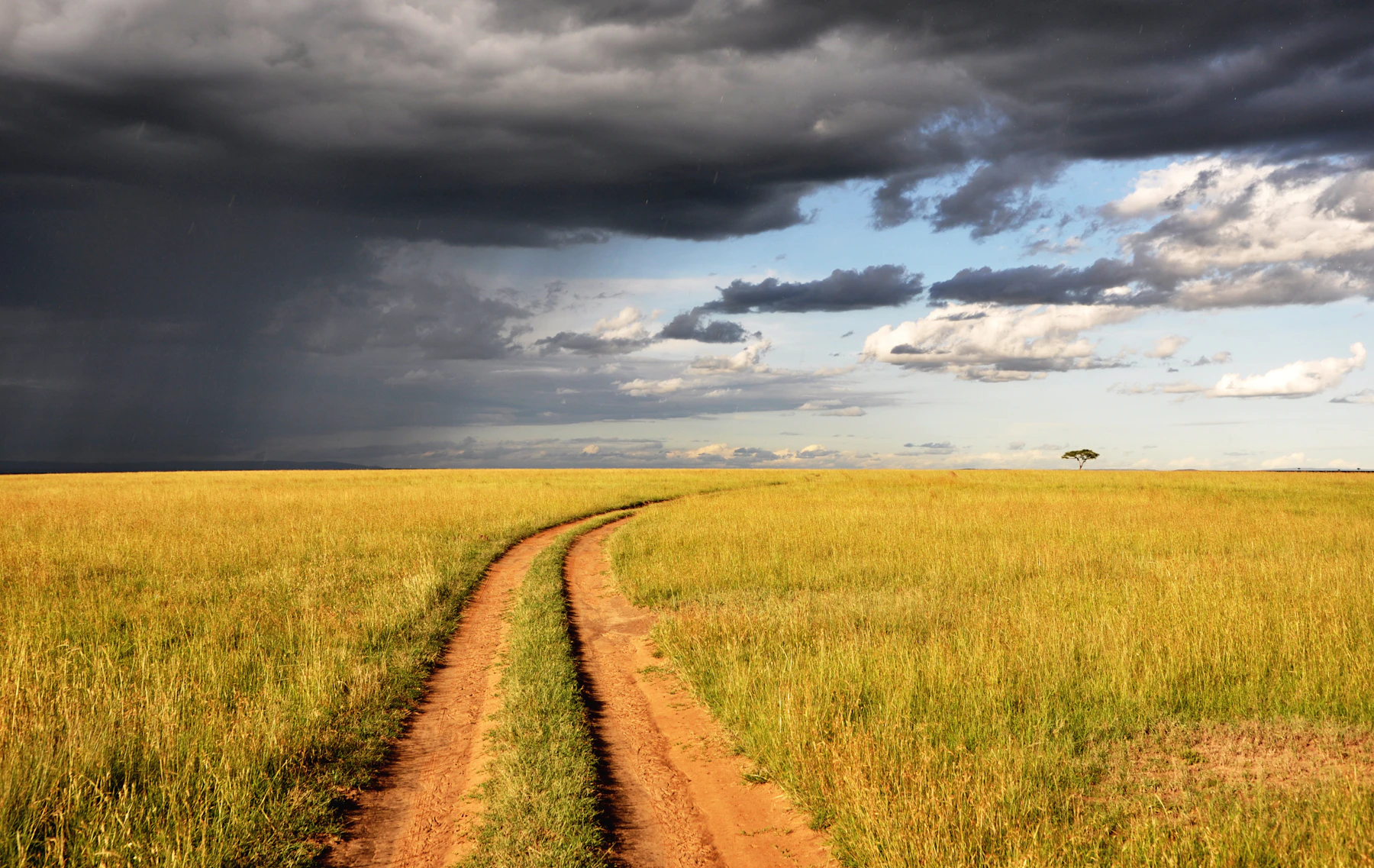
At sunrise, two safari vehicles can leave camps that both describe themselves as being in the Masai Mara and have completely different mornings.
One joins the public tracks inside the National Reserve, where the landscape is vast and the river crossing country may be within reach. The other turns into a community conservancy, stops beside fresh lion tracks and stays with the spoor without needing to follow a standard circuit. Later, its guests may walk with an armed guide or remain out after dark. Neither morning is automatically better. They are simply built around different rules, locations and expectations.
That is why a useful Masai Mara conservancies guide must do more than say that conservancies are quieter. Mara North, Naboisho, Olare Motorogi and Ol Kinyei do not sit in the same place. Olderkesi faces a different part of the reserve. Siana has its own access logic. Smaller or developing conservation areas may have only a handful of visitor beds, or none that can be booked in the usual way.
The word on the brochure is only the beginning. The exact camp, its resident access rights, the distance to the reserve, the vehicle arrangement and the number of nights determine what the safari will feel like.
First, untangle three similar names
The naming causes genuine confusion.
The Maasai Mara National Reserve is the county-managed protected area most travellers picture when they say “the Mara.” It includes the eastern reserve and the western Mara Triangle.
The Mara Triangle is the western part of the National Reserve, managed by the Mara Conservancy. In this name, Mara Conservancy is the management organisation. The Triangle is not one of the community conservancies discussed in this guide.
The Mara community conservancies are protected landscapes around the reserve. Maasai landowners lease or commit land through conservancy structures, tourism partners help fund leases and management, and wildlife moves across boundaries that make sense on a map but not to an elephant.
The Maasai Mara Wildlife Conservancies Association maps a growing network of conservancies at different stages of development. That last phrase matters. It does not mean there are 24 equivalent safari products with the same rules, camps and access.
How the community conservancy model works
The Mara was never an empty wilderness. Pastoral communities, livestock and wildlife have shared this landscape for generations. The conservancy model tries to keep large areas open by making wildlife and low-impact tourism financially useful to landowners.
In the better-established conservancies, individual landowners receive lease payments for land placed under agreed management. Tourism partners contribute through camp operations and conservancy fees. Rangers, road teams, grazing plans and community programmes are funded through the same landscape economy.
Cattle do not necessarily disappear. Controlled grazing can remain part of the land-management plan. Livestock may enter selected areas at agreed times, and mobile bomas can be used to manage grazing and reduce conflict. Seeing cattle tracks does not mean conservation has failed. It may show that this is a living pastoral landscape rather than a fenced private reserve.
The model also has tensions. Lease levels, governance, drought, settlement pressure, fencing, tourism demand and the distribution of benefits all matter. A beautiful game drive is only one view of a complicated partnership. Travellers do not need to become conservancy policy experts, but they should understand what their stay is helping to fund and ask whether the camp is a genuine tourism partner in the land it promotes.

Conservancy or National Reserve?
There is no honest one-word answer.
| Question | Community conservancy | National Reserve or Mara Triangle |
|---|---|---|
| Vehicle numbers | Usually controlled through resident camps, bed ratios or access agreements | No equivalent conservancy-wide resident bed model; popular sightings can draw more vehicles |
| Driving area | Primarily the conservancy, sometimes with reserve access depending on camp and fees | Reserve or Triangle according to the entry paid and route used |
| Night drives | Often possible in selected conservancies under local rules | Not a standard National Reserve activity |
| Guided walks | Offered by some conservancy camps with qualified guides and local rules | Not a standard vehicle-safari substitute inside the reserve |
| Leaving tracks | Controlled positioning may be possible in some conservancies | Driving rules require vehicles to remain on authorised tracks and protect habitat |
| River crossings | Most famous Mara River crossing points are in the reserve and Triangle | Direct access to the principal crossing country |
| Camp choice | Fewer resident properties, often at a higher nightly cost | Wider range from simple camps to very high-end lodges |
| Best reason to choose it | Quiet access, resident landscape, night or walking activities | Reserve geography, broad choice and migration crossing access |
Low vehicle density is a meaningful benefit, but it is not silence on demand. Several vehicles may gather at an exceptional sighting. Conservancy codes usually limit how many stay close, and guides rotate positions, but the details vary.
Likewise, “off-road” is not permission to chase wildlife across fragile ground. A well-run conservancy controls when and where a guide may leave a track. Wet soil, nesting birds, cheetahs hunting, young animals and vegetation damage all change the decision.
Read our Masai Mara safari guide for the wider ecosystem. This page stays with the choice between named conservancies and the reserve.
Compare Mara camp locations before I choose
Share your dates, number of nights, wildlife priorities, preferred camp style and whether reserve access, walking or night drives matter most.
Read the Mara map from west to east
Imagine the National Reserve as the heart of the ecosystem.
To the northwest, Mara North stretches across a large and varied landscape beside the reserve and the Mara River corridor. Lemek, Enonkishu, Ol Chorro Oiroua and Oloisukut extend the conservation story farther north and northwest.
Naboisho lies to the northeast of the reserve. Olare Motorogi sits between Naboisho, Mara North and the reserve’s northern boundary. Ol Kinyei lies farther east and northeast, tied to the Loita migration and dispersal landscape. Pardamat helps connect several northern conservancies and remains a lived-in conservation area rather than a conventional empty safari zone.
Siana lies east of the reserve around the Sekenani side. Olderkesi borders the southeastern ecosystem near the Tanzanian frontier. Olerai and other smaller areas add corridors and habitat beyond the best-known tourism names.
This geography affects more than transfer time. A camp on a conservancy’s reserve-facing edge may reach a reserve gate more easily than a camp deeper inside the same conservancy. A beautiful northern camp can be the wrong choice if the only goal is waiting at a specific Mara River crossing point.
Mara North Conservancy
Mara North is one of the largest and most established conservancies in the ecosystem. Its landscape includes open plains, bush, riverine woodland and the Mara River along part of its northern boundary. The size creates variety, but it also means the camp’s exact position matters.
Current member properties include Elephant Pepper Camp, Karen Blixen Camp, Kicheche Mara Camp, Offbeat Mara Camp, Mara Expedition Camp and Serian’s camps, among others. These are not interchangeable. Karen Blixen sits beside the Mara River and has a larger, polished camp rhythm. Kicheche Mara and Offbeat are smaller tented camps with a stronger classic bush-camp feel. Serian is known for private vehicle arrangements attached to its style of safari. Mara Expedition sits at the more luxurious end.
Mara North suits travellers who want a substantial conservancy landscape and enough camp choice to compare styles. It can work well for predators, elephants and general game, while the reserve remains available when the camp’s access arrangement and route make sense.
Ask how long a reserve day takes from the exact camp. “Mara North” is too broad an answer. Also ask whether a third-party private guide can operate inside the conservancy or must be joined by a resident tourism-partner guide. Access controls protect the low-density model and can affect a privately guided road safari.
Best for: Travellers wanting a large, mature conservancy, varied camp styles and a strong standalone safari.
Think twice if: A particular river-crossing point is the only goal and your chosen camp sits far from the practical reserve route.

Mara Naboisho Conservancy
Naboisho lies northeast of the reserve and is often the first conservancy suggested to travellers who want cats, open plains and a clear activity contrast with the reserve. The MMWCA conservancy profile describes more than 52,000 acres contributed by hundreds of landowners, with controlled tourism numbers and an important predator population.
Accommodation examples include Naboisho Camp, Encounter Mara, Kicheche Valley Camp, Eagle View, Basecamp Leopard Hill, Hemingways Ol Seki Mara and Mara Nyika. Again, the camp matters. Some are intimate and canvas-led. Others add pools, larger rooms or a more designed luxury experience. Some sit near plains that feel open and luminous; others occupy valley or ridge positions.
Naboisho is particularly appealing for a three or four-night stay in which night drives, walking and time inside the conservancy are part of the point. It is not the most efficient base for spending every day at western Mara River crossing sites. Wildebeest and zebra may move through Naboisho when grass and rain draw them there, but a conservancy stay should not be sold as a guaranteed river-crossing safari.
One verified traveller reviewing a Naboisho stay called the most memorable moment simply “Sunset with elephants.” Their advice was equally telling: “Go with a good book, binoculars, curiosity and wake up for the early game drives.” Read the original verified review.
That is a better description of conservancy time than a checklist. The landscape rewards attention between headline sightings.
Best for: First-time or repeat travellers who want a strong predator landscape, night and walking options, and several good camp styles.
Think twice if: Your entire Mara stay is only two nights and the river-crossing zone is the non-negotiable priority.
Olare Motorogi Conservancy
Olare Motorogi lies directly north of the reserve, between Mara North and Naboisho. It combines the former Olare Orok and Motorogi areas and forms a valuable buffer and wildlife corridor.
Its established tourism partners include Porini Lion Camp, Kicheche Bush Camp, Mara Plains Camp, Olare Mara Kempinski and Mahali Mzuri. The collection ranges from intimate tented camps to highly polished luxury, but all trade heavily on the conservancy’s controlled visitor footprint and predator country.
This is often one of the strongest choices for travellers who want luxury without giving up a serious wildlife focus. It can also work for photographers who value time at a sighting, subject to the vehicle policy of the chosen camp.
The word “adjacent” can still hide distance. Ask which reserve gate or boundary route the camp uses, how a full reserve day is handled, whether a picnic is expected and what fees apply. A camp near the southern edge and one deeper into Motorogi do not create the same day.
Best for: Predator-focused travellers, photographers and guests who want a low-density conservancy with several high-end camps.
Think twice if: The budget would force the stay down to two rushed nights. A longer stay in a less expensive camp can be the better safari.
Ol Kinyei Conservancy
Ol Kinyei lies east of Naboisho in the wildlife dispersal country leading towards the Loita Plains. It was one of the early community conservancies in the Mara and has a much smaller resident accommodation footprint than the three names above.
Porini Mara Camp is the best-known resident camp, with Porini Cheetah Camp associated with the wider Ol Kinyei and Naboisho experience. The appeal is intimacy, open country and a safari style that does not depend on a long list of facilities.
Ol Kinyei can suit travellers who want a quiet camp, simple tented comfort and wildlife time shaped around the local landscape. It is less suitable for someone comparing a dozen luxury properties or planning repeated western reserve days.
Because access can involve neighbouring Naboisho as well as Ol Kinyei, the written itinerary should name where each game drive may go and which conservation fees are included.
Best for: Travellers who favour a small camp, low tourism footprint and classic tented-safari atmosphere.
Think twice if: You want a broad choice of spas, villas, large family units or easy daily access to the Mara River.
Olderkesi Conservancy
Olderkesi sits southeast of the National Reserve near the Tanzanian border. It belongs to a different geographic story from the northern cluster.
Cottar’s 1920s Camp and Cottar’s Bush Villa are the best-known accommodation anchors. The area works as a private-feeling base with access towards the southeastern reserve and a deep cultural and conservation identity tied to the Olderkesi community.
For families or private groups, the villa format can change the holiday more than the name of the conservancy. For couples, the historic camp style and activities beyond ordinary game drives may be the draw.
It is not a natural answer for travellers who want to spend each dawn in the Mara Triangle or northern crossing areas. It is an answer for people who value the southeast, camp character, private space and a slower relationship with one part of the ecosystem.
Best for: Families, private groups, repeat visitors and travellers attracted to the Cottar’s style and southeastern setting.
Think twice if: Western river crossings are the defining purpose of the trip.
Siana Conservancy
Siana lies east of the reserve around the Sekenani side and has gone through several phases of conservancy development. The present model brings together a large number of landowner families and tourism partners.
Entumoto Safari Camp and Spirit of the Masai Mara are among the accommodation names associated with the conservancy. Camp position is especially important here because some properties marketed under the broad Siana or eastern Mara label may sit outside the strongest resident wildlife area or rely on reserve drives.
Siana can add hills, views and a quieter eastern base. It may also work well in a road itinerary entering from Nairobi. Do not assume that the shortest road approach creates the best game-drive access. Ask where the camp actually drives in the morning and how much of the experience is inside the conservancy versus through Sekenani Gate.
Best for: Travellers arriving by road, guests who like an eastern landscape and those choosing a specific camp for its setting.
Think twice if: The proposal uses “Siana” loosely without naming resident access and normal drive areas.
Lemek, Enonkishu and Ol Chorro Oiroua
These northern and northwestern conservation areas show why the Greater Mara is larger than its famous reserve.
Lemek links the northern ecosystem towards Mara North and other conservancies. It has long supported wildlife and tourism, but camp names and access relationships have changed over time. Verify the current resident property and the exact driving rights rather than relying on an old map.
Enonkishu is farther north and forms part of a lived-in conservation landscape where grazing and wildlife management meet. House in the Wild is the best-known base in this broader northern area. The experience can include river, community, conservation and a private-house atmosphere rather than a conventional “race out for the Big Five” Mara stay.
Ol Chorro Oiroua is one of the earlier Mara conservancy areas and lies in the same broad northern network. Tourism presence is more limited than in Mara North or Naboisho, which can be a strength for the right traveller and a limitation for someone expecting several camp choices and standardised activities.
Best for: Repeat visitors, families, conservation-minded travellers and people who want to slow down in the northern Mara.
Think twice if: This is a short first safari and the proposal does not explain how wildlife drives and reserve access will work.
Pardamat, Olerai, Oloisukut and the developing conservation network
Pardamat is crucial connective land among several northern conservancies. It is also unusual because people live within the conservation area. That makes it ecologically important without turning it into another version of Naboisho.
Olerai lies on the wider Mara border and protects a smaller acacia landscape. Oloisukut extends conservation towards the Siria Escarpment and western corridors, with forest, grassland and less common species recorded in the area.
The current MMWCA map also names areas such as Mara Ripoi, Nashulai, Isaaten, Nyekweri Kimintet, Nyekweri Oloirien, Mbokishi, Olpua, Enarau and Maasai Moran conservation areas. Their status, visitor infrastructure and tourism partnerships differ. Some are established conservation entities; others are developing, corridor-focused or supported before full tourism investment arrives.
This distinction protects the traveller from two mistakes. The first is assuming every green shape on a map contains a luxury camp. The second is dismissing an area simply because it is not yet a famous tourism brand. A corridor may be more important to the ecosystem than to a three-night itinerary.
Masai Mara conservancies guide at a glance
| Area | Position and character | Accommodation examples | Usually suits | Main planning caution |
|---|---|---|---|---|
| Mara North | Northwest, large and varied, riverine and open country | Elephant Pepper, Karen Blixen, Kicheche Mara, Offbeat Mara, Serian, Mara Expedition | Broad camp choice, predators, standalone conservancy stay | Exact camp distance to reserve and third-party guide access |
| Naboisho | Northeast, open plains and valleys, strong predator reputation | Naboisho Camp, Encounter Mara, Kicheche Valley, Eagle View, Leopard Hill, Ol Seki, Mara Nyika | Night drives, walks, cats, first conservancy stay | Long day to western river-crossing country |
| Olare Motorogi | North of reserve between Mara North and Naboisho | Porini Lion, Kicheche Bush, Mara Plains, Olare Mara Kempinski, Mahali Mzuri | Luxury, photography, low-density predator viewing | Price and exact reserve route |
| Ol Kinyei | East and northeast, intimate accommodation footprint | Porini Mara, Porini Cheetah in the wider linked experience | Quiet tented safari, low tourism density | Limited property style choice and distance west |
| Olderkesi | Southeast near Tanzania | Cottar’s 1920s Camp, Cottar’s Bush Villa | Families, private groups, heritage and culture | Not a western crossing base |
| Siana | Eastern Sekenani side, hills and approach country | Entumoto, Spirit of the Masai Mara | Road arrivals, eastern landscapes, camp-led stays | Marketing labels may hide exact drive area |
| Enonkishu and northern areas | Farther north, river, grazing and community landscape | House in the Wild and limited resident options | Repeat visitors, families, conservation depth | Not a simple substitute for a central Mara game base |
For a larger accommodation inventory grouped by sector, use the planned all Masai Mara lodges and camps directory. For decision-led detail on reserve, gate and conservancy positions, read where to stay in the Masai Mara.
Match me to the right Mara conservancy
Share your dates, number of nights, wildlife priorities, preferred camp style and whether reserve access, walking or night drives matter most.
Activities: read the small print behind the icons
Night drives, walking safaris and controlled off-road positioning are among the strongest reasons to choose a conservancy. They are not automatic inclusions everywhere.
| Activity | What to confirm |
|---|---|
| Night drive | Start time, duration, whether it is shared, spotlight etiquette and whether children may join |
| Guided walk | Minimum age, distance, terrain, guide qualification, armed escort and whether it is a short nature walk or longer bush walk |
| Off-road positioning | Conservancy code, seasonal restrictions, sighting rules and whether the guide may leave tracks at all |
| Bush meal | Private or shared, included or extra, location, weather alternative and dietary arrangements |
| Community visit | Who controls the experience, where payment goes, consent for photographs and realistic time |
| Reserve day | Gate used, journey time, packed meal, reserve fee, return time and whether it replaces a conservancy drive |
| Private vehicle | Included or supplement, guide continuity, seat layout and whether it has access to every named area |
A private vehicle does not override conservancy access rules. If you arrive with an outside guide, the conservancy may require a resident guide, advance notice or a different vehicle arrangement. Our private Kenya safaris guide explains the difference between having your own vehicle and having unrestricted access.
Migration and river crossings without the sales fog
The Mara ecosystem is open. Wildebeest, zebra and other animals follow rain, grass and water rather than tourism boundaries. Herds can move through northern and eastern conservancies, and calving or resident plains game can make these areas rewarding well beyond the dramatic crossing weeks.
The famous Mara River crossings, however, happen at particular sections of the river inside the National Reserve and Mara Triangle. No conservancy can promise that a crossing will occur on the day you visit. A distant conservancy cannot make its camp closer by calling itself part of the Greater Mara.
If crossings are the priority, choose at least one base whose location gives sensible access to the relevant river sector. If the quality of every game drive matters more than one event, a conservancy can be the stronger anchor.
The best first trip may combine the two: time in the reserve or Triangle for geography and migration possibility, followed by time in a conservancy for slower sightings, night sounds and a different set of activities.
How many nights belong in a conservancy?
Arrival and departure days are partial days. Three nights usually produce two full days, which is enough to understand one area but not enough to waste on repeated transfers.
Three nights leave two full days between arrival and departure. A traveller who stayed at Elephant Pepper Camp in Mara North recalled, “Spent a day in the National Reserve where we saw the larger herds.” They added, “The staff & guides were amazing.” Read their account. That mix of reserve and conservancy gives three nights a clear purpose without moving camps.
Three nights
Choose one base and let the conservancy be the experience. Add one reserve day only if its wildlife geography matters more than the conservancy drive you will give up.
Four nights
This is a comfortable single-base stay. It allows several dawn and afternoon drives, a night drive, perhaps a walk and enough margin for weather or a quiet wildlife day.
Five or six nights
Either stay deeply in one excellent camp or split the Mara into two genuinely different positions. A reserve or Triangle base plus a conservancy is usually a stronger contrast than two similar northern camps.
Seven nights or more
Two bases can breathe. A third may work for a specialist reason, but moving every two nights still turns a long Mara stay into a packing exercise.
Shape my Mara nights without rushing them
Share your dates, number of nights, wildlife priorities, preferred camp style and whether reserve access, walking or night drives matter most.
Which conservancy fits which traveller?
First safari
Choose a well-established conservancy with a camp style you understand. Naboisho, Mara North and Olare Motorogi offer enough infrastructure and wildlife depth to work as a first introduction. Consider pairing with the reserve if crossings or broad geographic variety matter.
Photographer
Prioritise the vehicle before the room. Ask about private use, row configuration, guide experience, charging and conservancy sighting rules. Olare Motorogi, Mara North and Naboisho all have strong options, but the individual guide and vehicle can outweigh the conservancy label.
Family
Look for family tents or a private house, a pool, flexible meals, realistic minimum ages and the ability to return to camp early. Mara North, Naboisho and Olderkesi offer different family-friendly properties. Do not book a walking or night-drive promise before checking the child policy.
Honeymoon or anniversary
Choose privacy in the daily rhythm, not only a romantic room. A small camp, private vehicle for key drives, unhurried meals and fewer moves create more time together.
Repeat visitor
Consider Olderkesi, Enonkishu, Ol Kinyei or another less-used northern or eastern area. The reward is a different relationship with the ecosystem, not a guarantee of more species per hour.
River-crossing focused traveller
Base at least part of the stay in the reserve or Triangle, close to the relevant sector. Add a conservancy for contrast instead of asking a distant camp to become something it is not.
What to settle before paying a deposit
A proposal should name the camp, conservancy, normal game-drive area and reserve access plan.
Confirm whether game drives are shared or private, whether an outside guide can enter, which conservation and reserve fees are included, and how many fee days a full reserve excursion creates. Ask which activities are included and which depend on age, weather or an additional charge.
For flights, check the actual airstrip and road time to camp. A short flight can still end with a long transfer if the property and landing point do not match. Our Kenya fly-in safari guide explains how to read the whole transfer rather than only the time in the air.
For road arrivals, ask whether the safari vehicle and guide remain with you, and whether resident-guide rules apply inside the conservancy.
Finally, compare the conservation fee with the full value of the stay. The fee is not just an admission ticket. In a genuine community conservancy it helps keep land open, fund management and support the landowner partnership that makes the safari possible. Current fee levels and child categories belong in the Masai Mara park and conservancy fees guide, where dated rates can be updated without ageing this page.
Plan a Mara stay around the experience I want
Share your dates, number of nights, wildlife priorities, preferred camp style and whether reserve access, walking or night drives matter most.
Frequently asked questions
Which is the best Masai Mara conservancy?
There is no universal winner. Mara North offers size and camp variety, Naboisho combines strong wildlife with several activity-led camps, Olare Motorogi is especially strong for low-density luxury and predators, and Ol Kinyei offers a smaller accommodation footprint. The right answer depends on the exact camp and purpose of the trip.
Are Mara conservancies part of the National Reserve?
No. They are community conservation areas around the reserve. The Mara Triangle is part of the National Reserve even though it is managed by an organisation called the Mara Conservancy.
Can conservancy camps drive into the National Reserve?
Many can arrange reserve visits, but access, distance, entry fees and vehicle rules vary by camp. Confirm the exact plan rather than assuming every camp has identical access.
Can reserve camps drive into private conservancies?
Usually not as ordinary visitors. Conservancies control access through resident tourism partners and their rules. Advance arrangements or a resident guide may be required in specific cases.
Are night drives allowed in every conservancy?
No. They are common in several established conservancies, but the local code, camp programme, age rules and conditions apply.
Will we see the Great Migration in a conservancy?
Migration animals can move through conservancies when grass and water draw them there. The famous Mara River crossing points are in the National Reserve and Triangle, and no crossing can be guaranteed.
Is a conservancy always more expensive?
Conservancy camps often sit in the mid-range to luxury tiers and charge a separate conservation fee. Compare the complete stay, including vehicle arrangement, activities, fees and the number of useful wildlife hours.
Should we split three nights between the reserve and a conservancy?
Usually not. Two one-night fragments leave too little full-day time. With only three nights, choose the base that best matches the priority. A split becomes more useful with five or more nights.
Do conservancies have fences?
The established Mara conservancy model aims to keep wildlife land open and connected. Settlement and fencing pressure exist in the wider ecosystem, which is one reason corridors and lease agreements matter.
Is walking safe in a Mara conservancy?
Walking should only be done where permitted with qualified guides and the required safety arrangements. It is a different activity from leaving a vehicle casually and is not suitable for every age or mobility level.
Choose your Masai Mara base
Tell us your dates, nights, wildlife priorities, preferred camp style and whether reserve access, walking, night drives or a private vehicle matter most.