
Masai Mara and Amboseli Combined Safari: Big Cats, Elephants and Two Very Different Horizons
In the Mara, the grass rolls toward river country and cats use every fold in the land. In Amboseli, elephants cross pale flats beneath a mountain that may appear for only an hour.
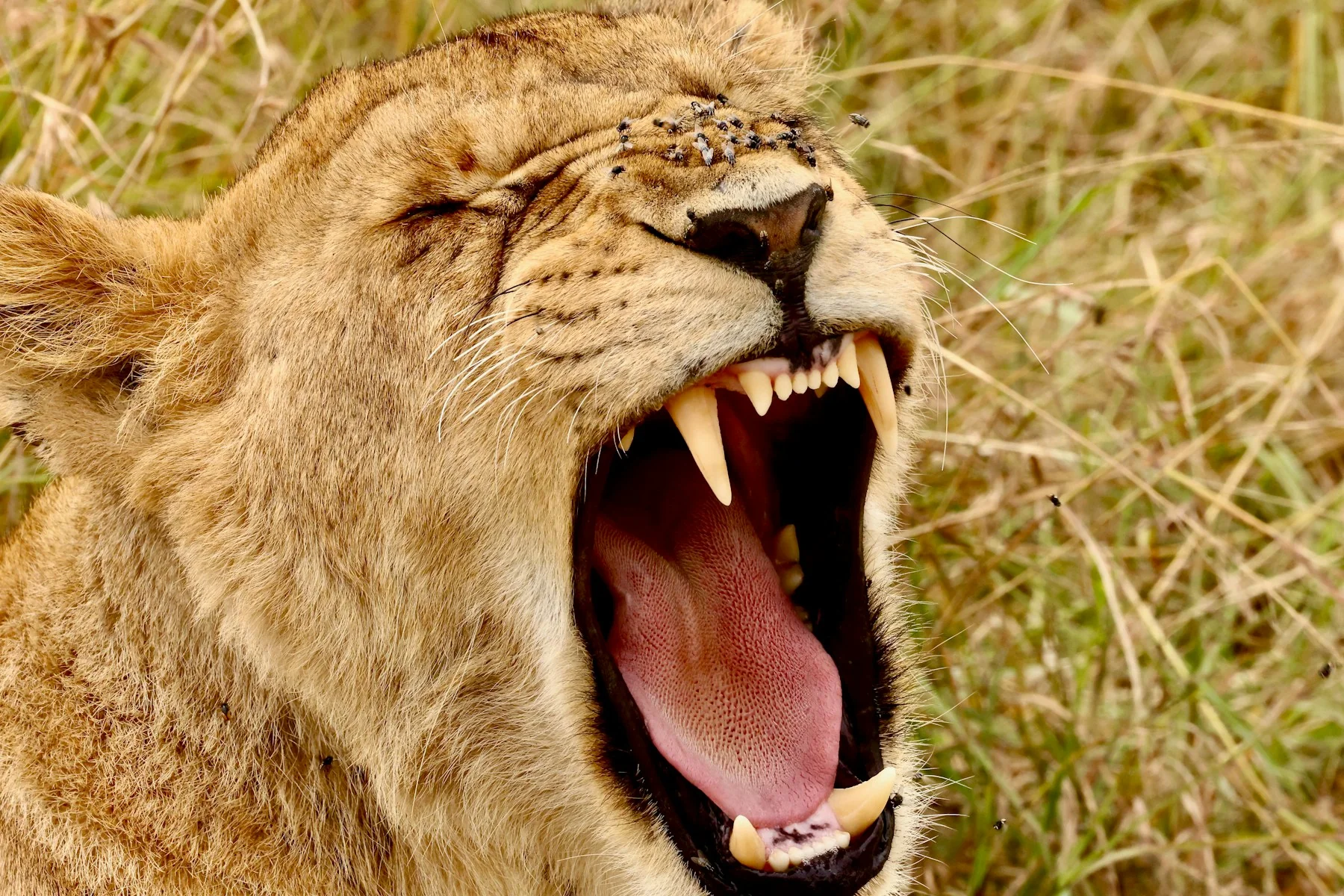
A Masai Mara and Amboseli combined safari earns its place by contrast. The Mara brings vast predator-rich plains, the Triangle and conservancies. Amboseli brings elephant families, spring-fed marshes and the northern face of Kilimanjaro.
- Why these parks belong together
- How long the combined safari should be
- Road, flight and mixed transport routes
- Reserve, Triangle or conservancy for the first half
- Inside-park and conservancy choices in Amboseli
- Seven-day route that lets both parks breathe
- Season and weather across both parks
- Families, couples and photographers
- What changes the price
- Five mistakes that weaken a Mara and Amboseli itinerary
- Traveller opinions
- FAQs
Why these parks belong together
The Masai Mara is part of the Serengeti-Mara ecosystem, with open grassland, riverine woodland, escarpment views and private conservancies. Lion, leopard and cheetah encounters are a major draw, yet the resident herbivores, rivers and Maasai land relationships give the safari its depth. Amboseli is smaller and drier, organised around wetlands and movement corridors beneath Kilimanjaro.
The pairing works because the second park does not imitate the first. A traveller can spend an hour with a Mara lion pride and, days later, watch an Amboseli matriarch guide calves across a dusty flat toward the swamp. The route should protect that contrast rather than adding identical game-drive schedules in two locations.
| Experience | Masai Mara | Amboseli |
|---|---|---|
| Landscape | Rolling plains, rivers and conservancies | Marsh, dry lake bed and mountain horizon |
| Wildlife emphasis | Big cats and diverse resident game | Elephant families and wetland life |
| Typical stay | Three to five nights | Two to three nights |
| Extra activities | Balloon, walks and night drives by land rules | Observation Hill, conservancy and cultural visits |
How long the combined safari should be
A compact six-day route can provide three Mara nights, two Amboseli nights and one major connection, especially with a flight. It works for travellers who accept early starts and limited slack. Seven days begins to feel balanced. Eight or nine days creates room for four Mara nights, three Amboseli nights and a Nairobi pause or a slower transfer.
Ten days suits photographers, families and honeymooners who want a conservancy split or lodge time. Do not measure value by the number of named parks. Measure it by full wildlife mornings, unpacked nights and how everyone feels when the vehicle reaches the next gate.
| Total days | Suggested split | Character |
|---|---|---|
| 6 | 3 Mara nights, 2 Amboseli nights | Compact and connection-dependent |
| 7 | 3 plus 3 nights | Classic balanced route |
| 8 to 9 | 4 plus 3 nights with buffer | Relaxed and flexible |
| 10+ | Mara split plus Amboseli depth | Photography, family or honeymoon pace |
Road, flight and mixed transport routes
A full road safari usually travels Nairobi to one park, returns through the Nairobi region and continues to the other. The exact route can avoid a city-centre hotel, but the distance remains substantial. It gives one private guide, generous luggage capacity and a changing view of Kenya. For four to six travellers, it may also be the strongest value.
A flight to or from the Mara removes the roughest long sector. A safari flight between ecosystems may connect directly or through Wilson Airport depending on the timetable. Mixed transport often works best: drive to Amboseli, use a flight connection for the Mara, then return by air. Every version needs airport transfers and baggage rules stated clearly.
Reserve, Triangle or conservancy for the first half
The eastern reserve offers broad lodge choice and road access. The Mara Triangle opens the western landscape. Musiara serves northern riverine country. Private conservancies such as Mara North, Naboisho, Olare Motorogi and Ol Kinyei can add lower vehicle density, night drives and walks under their own rules.
For three nights, choose one base with useful access. For four or five nights, a reserve and conservancy split can make sense. Do not move simply because two camps look attractive. The second location should change activities, wildlife area or atmosphere enough to justify packing.
Inside-park and conservancy choices in Amboseli
Ol Tukai and Amboseli Serena place guests within the national park. Tortilis, Tawi, Elerai, Kilima, Sentrim, AA Lodge and other ecosystem properties occupy different gate and conservancy relationships. A lodge described as “Amboseli” may be minutes or much farther from the gate, so the map matters.
Inside access helps with dawn and late light. Conservancy settings can add space and activities that the national park does not offer in the same way. Families may value a pool and connected room. Honeymooners may value a small camp and private deck. Photographers may choose whichever position creates the cleanest early start.
Seven-day route that lets both parks breathe
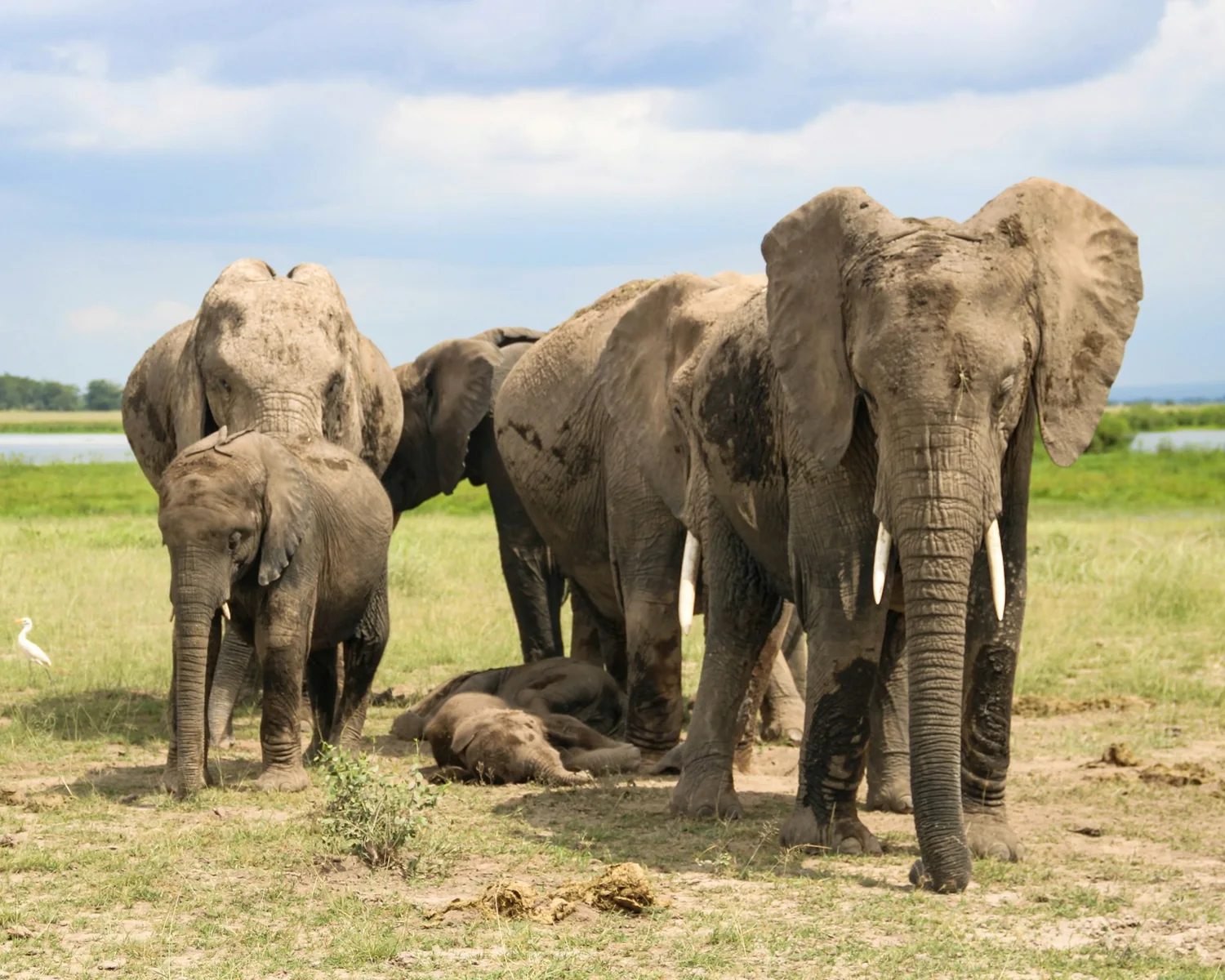
Day 1 can settle in Nairobi after the international flight. Days 2 to 4 belong to Amboseli, with two dawns, the marshes and an afternoon that is not forced to chase every sighting. Day 5 uses a planned flight or long transfer. Days 5 to 7 then belong to the Mara, ideally with a late flight home or an additional final night in Nairobi.
If the Mara is the main dream, reverse the ratio and give it four nights. If children are travelling, break the connection and protect a swimming or rest afternoon. If the coast follows, an Amboseli to Tsavo route may be more natural than returning to Nairobi.
| Day | Place | Purpose |
|---|---|---|
| 1 | Nairobi | Arrive, rest and protect connections |
| 2 to 4 | Amboseli | Elephants, marshes and several mountain mornings |
| 5 | Connection | Road or flight with honest travel time |
| 5 to 7 or 8 | Masai Mara | Full wildlife days in one well-chosen area |
Season and weather across both parks
Mara migration demand rises during the northern dry-season months, but resident wildlife remains throughout the year. Amboseli often offers concentrated dry-season viewing around water, while greener periods bring fresh landscapes, birds and dramatic cloud. Kilimanjaro visibility can change within a single morning.
Travelling outside the busiest dates can lower camp rates and vehicle density. Rain can make tracks difficult, which is a reason to keep the four-wheel-drive vehicle and itinerary flexibility rather than a reason to avoid the parks entirely.
Families, couples and photographers
Families benefit from a private vehicle, three-night stays, pools and rooms that keep parents close to children. Couples can use a fly-in sector and a small camp to create privacy without filling every day with staged extras. Photographers need vehicle space, charging, beanbags and enough mornings to work with light rather than racing between parks.
Share mobility, diet, sleep and room needs before a property is held. In both ecosystems, unfenced camps may require night escorts. A beautiful room at the end of a steep path may not suit every traveller, and a family room far from the main area may not feel reassuring after dark.
What changes the price
Internal flights, high-season Mara camps, private vehicles, park and conservancy fees, room sharing and single supplements are the largest levers. Amboseli can be lower-cost by road, while the Mara flight adds value through time. A quote should show each park night, transfer and fee day rather than hide them inside one total.
A sensible saving is one guide and vehicle on a road circuit, three nights in one Mara base, or shoulder-season travel. A damaging saving is one night per park, an unnamed lodge far from a gate, or a connection that assumes impossible road times.
Five mistakes that weaken a Mara and Amboseli itinerary
The first mistake is counting travel days as full safari days. A long road between ecosystems may be interesting, but it is not a morning and afternoon game drive. The second is giving the Mara two nights because its name feels familiar while giving Amboseli one night for the mountain photograph. Both choices leave the trip exposed to traffic, cloud and ordinary wildlife unpredictability.
The third mistake is choosing lodges without map positions. A bargain far outside the gate can create a daily commute. The fourth is assuming every fly-in rate includes a private vehicle. Shared camp drives may be excellent, but they change the rhythm for photographers, young children and honeymooners. The fifth is adding Lake Naivasha, Nakuru or Tsavo without enough days, turning the middle of Kenya into a chain of check-ins.
A stronger plan protects at least one full day in each ecosystem, names the connection and uses every extra night for something real. That may be a conservancy walk, a second Amboseli dawn, a Mara picnic day or simply an afternoon at the pool. Empty space is not missing content. It is where a safari stops feeling like transport.
Arrival and departure flights should sit beside the safari map while the route is designed. A late arrival at JKIA can make an immediate Amboseli drive unsafe or exhausting. An early international departure after a Mara bush flight leaves too little protection. One Nairobi night at the beginning or end may look less exciting on paper, yet it can keep every other promise in the itinerary realistic.
| Weak choice | What it causes | Better alternative |
|---|---|---|
| One night in Amboseli | One cloud-covered morning can define the stay | Use two or three nights |
| Two Mara nights on a road circuit | Arrival and departure dominate | Use three or four nights |
| Unnamed “near park” lodge | Unclear gate commute | Confirm property and map position |
| Flight with assumed private drives | Unexpected shared schedule | State vehicle arrangement in writing |
| Extra park in a short trip | More packing than wildlife | Stay longer in the two core areas |
What travellers say after the trip
These are exact words from public reviews and discussions. Each person had their own route, budget and expectations, so the value is in the detail rather than treating one experience as a promise.
We absolutely loved the Sopa Lodges and enjoyed our time.
A traveller reflecting on a private road itinerary that included Amboseli, Naivasha and the Masai Mara.
It gives you a much more diverse experience and you get to see different landscapes and wildlife.
A traveller recommending the longer multi-park option because of the contrast between destinations.
If you are looking to get a feel of Kenya the transit would be part of the experience.
A traveller making the case for seeing the country between parks rather than treating every road hour as wasted.
An independent traveller’s Masai Mara and Amboseli journey
This travel film follows the exact transition many first-time visitors are trying to picture, from the Masai Mara through Nairobi and onward to an Amboseli camp. The long road is part of the story, and the footage helps explain why transport choices matter so much on a short itinerary.
Masai Mara and Amboseli combined safari questions
How many days do I need for Masai Mara and Amboseli?
Six days is a compact minimum with careful transport. Seven to nine days gives each ecosystem useful time and reduces transfer pressure.
Which park should come first?
Either can work. International flights, season, coast plans and available air services often decide the order.
Can I drive directly between them?
A long road transfer is possible, often using Nairobi or its outskirts as the practical hinge. It should be treated as a full travel day.
Can I fly between Amboseli and the Mara?
Scheduled or connecting safari flights may be available on selected dates and routings. The live timetable must be confirmed.
How many nights should I spend in each?
Three Mara nights and two Amboseli nights is a useful minimum. Four plus three is more relaxed.
Is the combination good for children?
Yes. Amboseli’s elephants and the Mara’s diversity are engaging, but a private vehicle and rest time are important.
Is it a good honeymoon route?
Yes. Use a fly-in sector, private guiding and at least one camp chosen for privacy rather than changing lodges every night.
When is the best season?
Both parks are year-round destinations. Migration interest raises Mara demand from roughly July to October, while Amboseli’s mountain view depends on daily cloud as much as month.
Can I add the beach?
Yes. Amboseli can connect by road through Tsavo toward the coast, while Mara to coast flights can protect time when operating.
Can the combination be customised?
Yes. Nights, order, road or air access, camp areas, private vehicles and beach extensions can all change.
Sources and further reading
Official park, heritage, tourism, aviation and regulatory sources support the practical details in this guide.
Bring the Mara and Amboseli together without rushing either
Tell us how many days you have and where you arrive and leave Kenya. We will shape the connection, nights and camps around a natural safari rhythm.
Plan the two-park safari
Travel dates, total days and traveller count are enough to map the first route.