
Masai Mara Malaria, Vaccines and Health Advice: Prepare with the Full Route
The Mara morning is cold enough for a fleece, yet mosquitoes, sun, dust and distance still belong in the health plan. The answer is not panic. It is route-specific medical advice and a few habits done consistently.
Masai Mara malaria advice must be based on the full Kenya itinerary and the individual traveller. The CDC includes Kenyan game parks below 2,500 metres within malaria transmission areas and recommends prescription prevention for travellers going to risk areas. A qualified clinician should choose the medicine.
- What the official malaria guidance says
- Preparing for a travel-health appointment
- Routine vaccines, travel vaccines and yellow fever
- Mosquito and tick bite prevention
- Food, water and dehydration
- Prescription medicine and a useful health kit
- Insurance, evacuation and medical access
- When to seek medical help during or after travel
- Children, pregnancy, older travellers and chronic conditions
- The health timeline before, during and after the safari
- Traveller opinions
- FAQs
What the official malaria guidance says
The CDC lists malaria transmission in all areas of Kenya below 2,500 metres, including game parks, while describing rare cases in the highly urbanised central part of Nairobi. The Masai Mara therefore belongs in a malaria-prevention conversation. Risk still varies with route, season, behaviour, accommodation and the individual traveller.
Prescription prevention is one layer. Bite prevention remains important because mosquitoes can transmit other infections and no tablet is perfect. A clinician may discuss atovaquone-proguanil, doxycycline, mefloquine or tafenoquine according to current guidance, but those names are not interchangeable choices. Health history and timing matter.
| Layer | Purpose | Who decides |
|---|---|---|
| Prescription prevention | Reduce malaria risk | Qualified clinician |
| Repellent and clothing | Reduce bites | Traveller using product directions |
| Room screens or net | Reduce night exposure | Traveller and accommodation |
| Fever plan | Prompt assessment | Medical professional |
Preparing for a travel-health appointment
Bring the complete itinerary: Nairobi, Mara, Amboseli, Tsavo, coast, Tanzania, Zanzibar or any other stop. Include transit countries, trip length, rural activities, accommodation type and departure date. Mention pregnancy, immune conditions, allergies, mental-health history and every prescription or supplement. Some malaria medicines interact with health conditions or other drugs.
The CDC advises visiting a doctor at least a month before travel for vaccines or medicines that may be needed. Earlier is useful when a vaccine series takes time. Last-minute travellers should still seek advice. Do not borrow tablets or use an old prescription without confirming that it fits this trip.
Routine vaccines, travel vaccines and yellow fever
The CDC Kenya page tells travellers to be up to date on routine vaccines and lists route-dependent travel recommendations such as hepatitis A and other conditions. The appropriate list changes with age, health, origin and activities. A blog should not turn that live clinical guidance into a universal shopping list.
Yellow fever has two separate questions: whether vaccination is medically recommended for the route and whether proof is required because of the country from which a traveller arrives or transits. A person flying directly from one country may face a different entry rule from someone crossing another yellow-fever-risk country. Verify both close to travel.
| Question | Why it differs | Best source |
|---|---|---|
| What protects my health? | Route and individual risk | Travel-health clinician |
| What is required at entry? | Origin and transit history | Current official border guidance |
| What proof is valid? | Certificate and waiver rules | Authorised vaccination centre |
| What about children? | Age and schedule | Paediatric travel clinician |
Mosquito and tick bite prevention
Use repellent containing an evidence-based active ingredient according to the product directions and age restrictions. Cover ankles and arms when practical around dusk and dawn. Keep tent screens or zips closed, use the supplied net correctly and avoid leaving doors open while lights are on. Air conditioning can improve comfort but does not replace prevention.
Check for ticks after walks or time in grass, especially around socks, waist and scalp. Remove a tick correctly and seek advice if illness follows. Do not apply concentrated products casually to children or combine chemicals without instructions. The clinician and product label should guide use.
Food, water and dehydration
Use safe drinking water provided by the camp, wash hands before eating and be cautious with food that has not been stored or cooked safely. Reputable lodges handle international guests daily, yet route changes and roadside stops can alter risk. Tell staff about allergies in advance and again on arrival.
Heat, altitude changes, dry air and long drives can cause headache and fatigue without an infection. Drink regularly, moderate alcohol, rest and use shade. Oral rehydration supplies can be useful when a clinician considers them appropriate. Persistent vomiting, bloody diarrhoea, high fever or dehydration needs medical advice.
Prescription medicine and a useful health kit
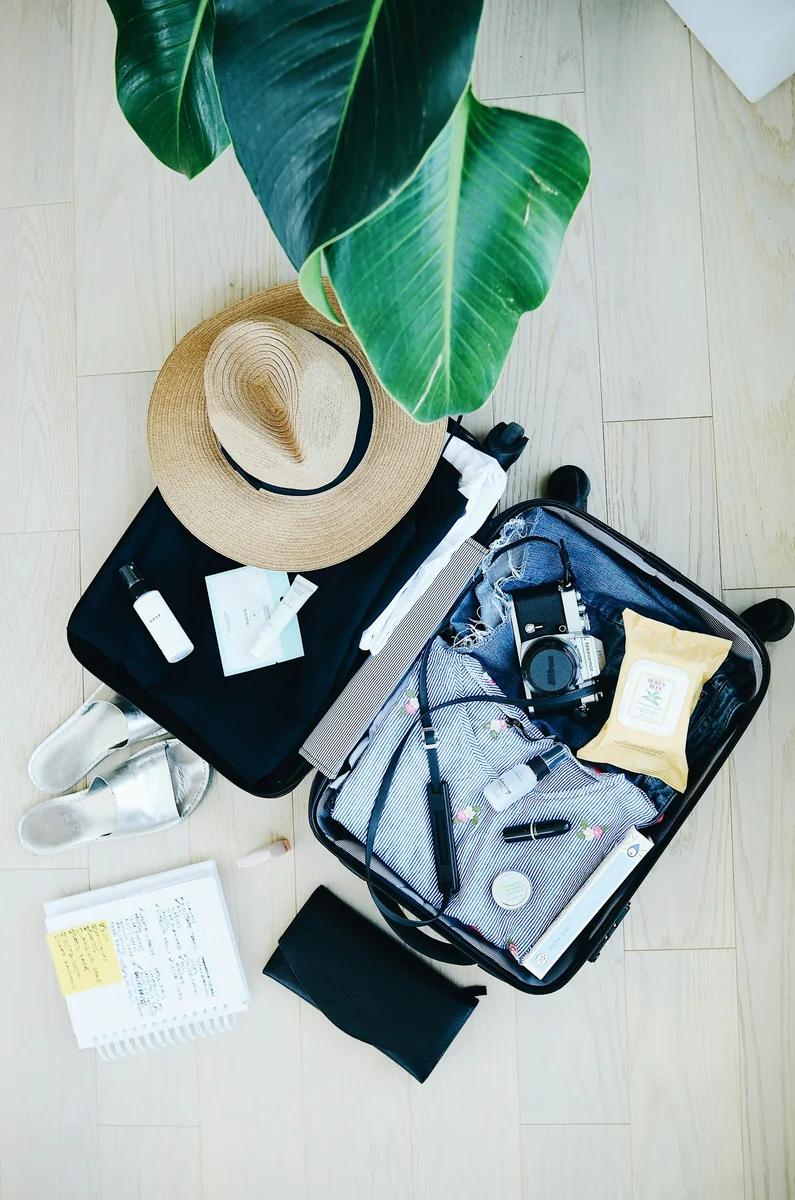
Keep prescription medicine in original labelled packaging in hand luggage, with a copy of the prescription and enough extra for delays. Confirm whether medicine is legal in Kenya and any transit country. If refrigeration is needed, the lodge should confirm temperature control and backup power before booking.
A clinician can help build a small kit for pain, minor wounds, allergies, motion sickness, stomach symptoms and personal conditions. Sunscreen, lip protection, repellent and rehydration supplies often matter more than a large pharmacy. Do not use antibiotics or strong medicines without appropriate instructions.
Insurance, evacuation and medical access
The Mara is remote. A clinic may be far away and an emergency can require a vehicle, airstrip or medical evacuation. Insurance should cover the traveller’s age, pre-existing conditions, planned activities and appropriate evacuation. Read the definition of emergency and the process for authorisation, not only the benefit limit.
Give the operator the insurer’s emergency contact when relevant. Ask how the camp communicates, which airstrip it uses and who coordinates evacuation. A balloon flight, walking safari or onward trek may require additional coverage. Keep both digital and paper copies of the policy.
When to seek medical help during or after travel
Fever during the trip needs prompt professional attention, particularly in a malaria-risk area. Do not wait for the return flight or assume it is a common cold. The operator should help reach appropriate care, while diagnosis and treatment remain medical decisions.
The CDC advises urgent medical attention for fever during or after travel in a malaria area, including up to one year after return, and telling the clinician about the travel history. Continue any prescribed prevention for the full instructed period after leaving the risk area. Keep the itinerary because dates and places help the assessment.

Children, pregnancy, older travellers and chronic conditions
Children need age-specific vaccine and medicine decisions, safe dosing, car-seat planning and a clear response to fever or dehydration. Pregnancy can change the suitability of destinations, malaria prevention, vaccines and remote travel. This requires early specialist advice, not a last-minute checklist.
Older travellers and people with heart, lung, immune, mobility or mental-health conditions should discuss long flights, bumpy vehicles, heat and remote care. The itinerary can use shorter drives, accessible rooms, a private vehicle and fewer lodge changes. Share only the medical information the operator needs to make practical arrangements safely.
The health timeline before, during and after the safari
Several weeks before departure, collect the route, accommodation types, transit countries and activity list. Book a travel-health appointment and check routine medical care such as prescriptions, dental problems and chronic-condition reviews. A vaccine recommendation and an entry certificate are not the same thing, so ask the clinician to cover both. Buy insurance only after reading exclusions for pre-existing conditions and remote evacuation.
Once a malaria medicine is prescribed, follow the start date and instructions exactly. Some options begin before travel, continue daily or weekly during exposure and must be taken for a defined period afterward. Side effects and missed doses need professional advice. Do not change the medicine because another traveller preferred a different tablet. Their health, route and tolerance are not yours.
During the safari, make bite prevention routine rather than a nightly emergency. Apply repellent as directed, close the tent before lights attract insects, cover skin when practical and use the net or screens supplied. Drink safe water regularly, protect skin from the sun and rest in the hottest hours. Dust can irritate eyes and airways, so glasses, saline or prescribed inhalers may matter for some travellers.
Tell the guide early when something feels wrong. Headache may be heat or dehydration, but fever, breathing difficulty, severe allergy, persistent vomiting, confusion, injury or worsening chronic symptoms need assessment. The guide cannot diagnose. Their role is to contact the manager, insurer or medical service and begin the transport plan. Keep policy numbers and medical history accessible.
After returning home, finish prescribed prevention for the full instructed period. If fever or significant illness develops, tell the clinician about Kenya, the game parks, coast, dates and any animal or insect exposure. The CDC specifically warns that malaria can become serious and advises urgent assessment for fever during or after risk-area travel, including up to one year later. Do not hide travel history because the trip feels distant.
Keep the visible health plan simple enough to follow. One pouch can hold medicine, prescriptions, insurer contacts and a short medical summary. A second small kit can stay in the vehicle with water, repellent, sun protection and basic supplies approved for the traveller. Review the plan with older children and travel companions so another person knows where critical medicine is stored. Preparation is most useful when it reduces decisions during a tiring transfer or an unexpected illness.
| When | Traveller task | Professional role |
|---|---|---|
| Before booking complex activities | Check insurance and health limits | Clinician and insurer advise |
| At least a month before travel | Bring the complete route | Travel clinic assesses |
| During travel | Prevent bites and report symptoms | Medical service diagnoses |
| After travel | Complete medicine and report fever | Clinician evaluates with travel history |
What travellers say after the trip
These are exact words from public reviews and discussions. Each person had their own route, budget and expectations, so the value is in the detail rather than treating one experience as a promise.
I got yellow fever, typhoid, malaria pills, and a stomach medicine to take in case I got a stomach bug while there.
One traveller describing an individual clinic plan. It is experience, not a recommendation for another person.
I don’t think I needed any additional travel vaccines I hadn’t already had tbh just the malaria tablets.
A different traveller in the same discussion, showing why personal anecdotes conflict and clinical advice matters.
The clinic only follows CDC guidelines
A traveller explaining the role of official guidance in a travel-health consultation, while questioning their own plan.
Masai Mara health questions
Is there malaria in the Masai Mara?
The CDC includes Kenyan game parks below 2,500 metres within malaria transmission areas. Discuss prescription prevention with a qualified clinician.
Which malaria tablets should I take?
Only a clinician who knows your health and route should choose. Options have different contraindications, timing and side effects.
Do I need a yellow fever certificate?
Entry requirements depend on age and where the traveller arrives from or transits. Check current official rules for the exact route.
Which vaccines are recommended for Kenya?
Routine vaccines and travel vaccines depend on the traveller and route. Use current official guidance and a travel-health appointment.
When should I see a travel clinic?
Ideally at least a month before travel, and earlier for complex health needs or multi-dose vaccines.
How do I prevent mosquito bites?
Use an appropriate repellent as directed, cover skin when practical and use screened rooms or nets according to the property.
What medicine should go in hand luggage?
All critical prescription medicine, copies of prescriptions and enough extra for delays should remain with the traveller.
What insurance do I need?
Choose cover appropriate to remote travel, planned activities, pre-existing conditions and medical evacuation.
What if I develop fever after the trip?
Seek medical attention promptly and report the Kenya route. The CDC advises urgent care for fever during or up to one year after malaria-risk travel.
Can NLS give medical advice?
No. NLS can provide route, accommodation and logistics information for a qualified clinician and help implement practical requirements.
Sources and further reading
Official park, heritage, tourism, aviation and regulatory sources support the practical details in this guide.
Bring the route to the clinic, then bring the plan to Kenya
We can supply the exact destination sequence and confirm camp logistics, while your clinician handles medicine and vaccines.
Plan the practical health details
Share the route, dates and any accommodation needs that the safari team should know.