
How Park Fees and Conservancy Fees Work in Kenya
A lodge room, a national park and a private conservancy can appear in one safari while operating under different fee systems. The route explains the bill.

- A park, a reserve and a conservancy are not the same thing
- Why accommodation and conservation fees are separated
- When can you pay both a conservancy fee and a reserve fee?
- How a daily fee is counted
- Visitor categories are based on evidence, not appearance
- What conservation fees pay for
- How to read a safari quotation without getting lost
- Paying the fee
- Fee examples need a date and an authority
- Frequently asked questions
The lodge quote looks complete until a second line appears: park fees. Then there may be a conservancy fee, a vehicle fee, a landing fee or another reserve fee for a day trip. It is easy to wonder whether the same patch of wildlife country is being charged twice.
Usually it is not. Park fees and conservancy fees pay for access to different protected areas, under different management systems, on particular days. A traveller staying inside a private conservancy may pay its conservation fee for each night or day there, then pay the neighbouring national reserve fee only on a day the vehicle enters that reserve. A lodge inside a national park may include accommodation but leave statutory entry fees as a separate line. The route determines the bill.
That is the short answer to how park fees and conservancy fees work in Kenya. The useful answer begins by separating the protected area from the hotel.
| Charge | What it normally buys | Who sets it | The detail that changes the total |
|---|---|---|---|
| National park entry | Access to a KWS-managed park for the ticket period | Kenya Wildlife Service under the official fee schedule | Visitor category, age, park and charged days |
| National reserve entry | Access to a county-managed reserve | The relevant county or reserve management | Season, age, residency and ticket validity |
| Private conservancy fee | Access to a privately or community managed conservation area | The conservancy or its member camps | Nights, activities, residency and whether the camp includes it |
| Vehicle charge | Entry or operation of the safari vehicle | Protected-area authority | Vehicle type and seating capacity |
| Activity or landing charge | Permission for a particular activity or landing | Park, reserve or conservancy | Ballooning, aircraft, camping, filming or specialist activity |
A park, a reserve and a conservancy are not the same thing
Kenya's wildlife does not recognise a boundary sign. Visitors have to, because the land on either side can be governed and funded differently.
National parks
National parks such as Amboseli, Tsavo East, Tsavo West, Lake Nakuru, Nairobi, Meru and Aberdare are managed by Kenya Wildlife Service. Entry categories and prices are set through national regulations. The official schedule distinguishes East African citizens, Kenya residents, African citizens and non-residents, with separate child or student rules.
The current KWS schedule, introduced under the 2025 regulations, lists different adult non-resident rates for different park categories. Amboseli and Lake Nakuru sit in the premium category, while Tsavo, Meru, Aberdare and the scenic parks have their own bands. This is why multiplying one famous park price across an entire itinerary produces the wrong total.
National reserves
The Maasai Mara National Reserve is not a KWS national park. Its reserve sections are managed through county and conservation arrangements. Samburu, Buffalo Springs and Shaba also have their own fee structures and management. A KWS annual pass or KWS park price should not automatically be assumed to cover a county reserve.
The Masai Mara entry fees and gates guide explains how the reserve, Mara Triangle and gate choices affect a Mara day.
Private and community conservancies
Conservancies such as Mara North, Naboisho, Olare Motorogi, Ol Kinyei, Lewa, Ol Pejeta and the community conservancies of northern Kenya protect land through agreements that may involve landowners, communities, tourism partners and conservation organisations. Their fees support that landscape and usually help fund ranger operations, habitat management and community or land-lease commitments.
Conservancy guests may gain access to activities or operating rules that differ from a national reserve, including night drives, guided walks or lower vehicle densities where permitted. Those benefits are not a promise that wildlife will be better on a particular morning. They describe how the area is managed and experienced.
Why accommodation and conservation fees are separated
A bed and protected-area access are two different products. The hotel provides the room, food, staff and property facilities. The park, reserve or conservancy provides lawful access to the wildlife area and funds its management.
Some camps bundle both in one nightly figure. Others display the room rate first and add conservation fees later. Neither presentation is automatically dishonest, but the total must be clear before payment.
A traveller caught by a surprise Maasai Mara charge wrote, "Nowhere on the camp's website did we see any mention about the park fees." Read the discussion. The frustration was not that conservation costs exist. It was that the traveller believed the room price already covered them.
The safest comparison is a grand total for the same dates, ages, route and inclusions. A low room rate that excludes two daily fees may cost more than a higher fully inclusive camp rate.
| Two-night example | Quote A | Quote B |
|---|---|---|
| Room and meals | Shown | Shown |
| Park or conservancy fee | Included | Added separately |
| Vehicle and guide | Included | Check the basis |
| Reserve day trip | Added if used | Added if used |
| Transfers and airstrip | Check | Check |
| Meaningful comparison | Complete total | Complete total after every required charge |
When can you pay both a conservancy fee and a reserve fee?
Imagine three nights in a Mara conservancy. The conservancy fee covers the area around the camp and the activities permitted there. If the itinerary includes one full day inside the Maasai Mara National Reserve, the reserve charge applies to that entry as well. The two fees cover two different areas.
The same principle can appear elsewhere. A traveller may sleep inside a conservancy, visit a neighbouring national park, land an aircraft in one area and drive into another. The exact route should show where each fee begins.
You should not automatically pay a reserve fee for every day of a conservancy stay when the vehicle never enters the reserve. Nor should you assume the conservancy fee includes the neighbouring reserve. The confirmation should name the protected area beside each charged day.
One traveller discussing a Mara conservancy stay said the hotel had confirmed "a $70 per person per night fee to be paid separately as a conservancy fee." Read the account. The amount belongs to that traveller's dates and arrangement, not to every conservancy. The lesson is to identify the fee before arrival.
How a daily fee is counted
The word daily does not always mean midnight to midnight. Ticket validity can depend on the authority, entry time, exit time and whether the traveller remains in the protected area.
KWS defines a daily fee as access for a period not exceeding 24 hours. The Mara Triangle states that its 12-hour park ticket is valid from 6:00 am to 6:00 pm regardless of the entry time. Different rules can therefore sit inside one Kenya itinerary.
This matters on transfer days. A late arrival, early departure, lunch outside a gate or route that crosses a protected area may still create a charge. A lodge being "inside the park" also matters because the guest remains within the fee area overnight.
Ask for a simple night-and-entry timeline:
| Day | Sleep | Wildlife area entered | Fee expected |
|---|---|---|---|
| 1 | Conservancy camp | Conservancy only | Conservancy fee |
| 2 | Conservancy camp | Conservancy only | Conservancy fee |
| 3 | Conservancy camp | Conservancy plus reserve | Conservancy fee plus reserve entry |
| 4 | Nairobi | Exit and transfer | Depends on ticket rule and exit time |
The table is more useful than a lump sum because it reveals an extra charged day before the trip begins.
Visitor categories are based on evidence, not appearance
The official KWS definitions distinguish nationality, East African citizenship, African citizenship and valid Kenya residency. A foreign passport holder living in Kenya may qualify as a resident only with the accepted permit. A traveller born in Africa but travelling on another passport should not assume eligibility without the required proof.
Children and students also have defined categories. Under the current KWS schedule, a child is aged five to below eighteen. Student eligibility has its own age and organised educational-visit requirements. A university card carried on a private holiday does not automatically create the student rate.
The child rates and family-room guide explains why the child's exact age should be recorded before the family quote is prepared.

What conservation fees pay for
Park and conservancy fees are not merely permission to see an elephant. They help keep the protected landscape functioning. The work can include ranger patrols, roads, fire management, habitat monitoring, human-wildlife conflict response, research, security, staff and community partnerships.
The Mara Conservancy publishes how its revenue is distributed. It says ticketed and non-ticketed sales are split among Narok County Government, the Mara Conservancy and its revenue collection partner. A private conservancy may use a different model, including lease payments to landowners or community programmes.
This does not remove the need for transparent billing. Conservation deserves funding, and the traveller deserves to know which area, date and person each charge covers.
How to read a safari quotation without getting lost
Begin with the route, not the total. Mark every night and every protected area visited. Then check the visitor category and age beside every traveller.
The quotation should answer these questions in ordinary language:
- Are park and conservancy fees included in the displayed total?
- Which protected area is charged on each day?
- Does a reserve day trip create a second fee?
- Are vehicle, aircraft landing, camping or activity charges included?
- What happens if the authority changes a statutory fee before travel?
- Which documents prove citizen, resident, African citizen, child or student status?
- Is the fee refundable if the itinerary changes or a day is not used?
A recent traveller comparing a complete safari said the quote covered "internal flights, park/conservancy fees, meals, etc." Read the itinerary discussion. That short phrase is useful only when the detailed confirmation still names the areas and days.
Paying the fee
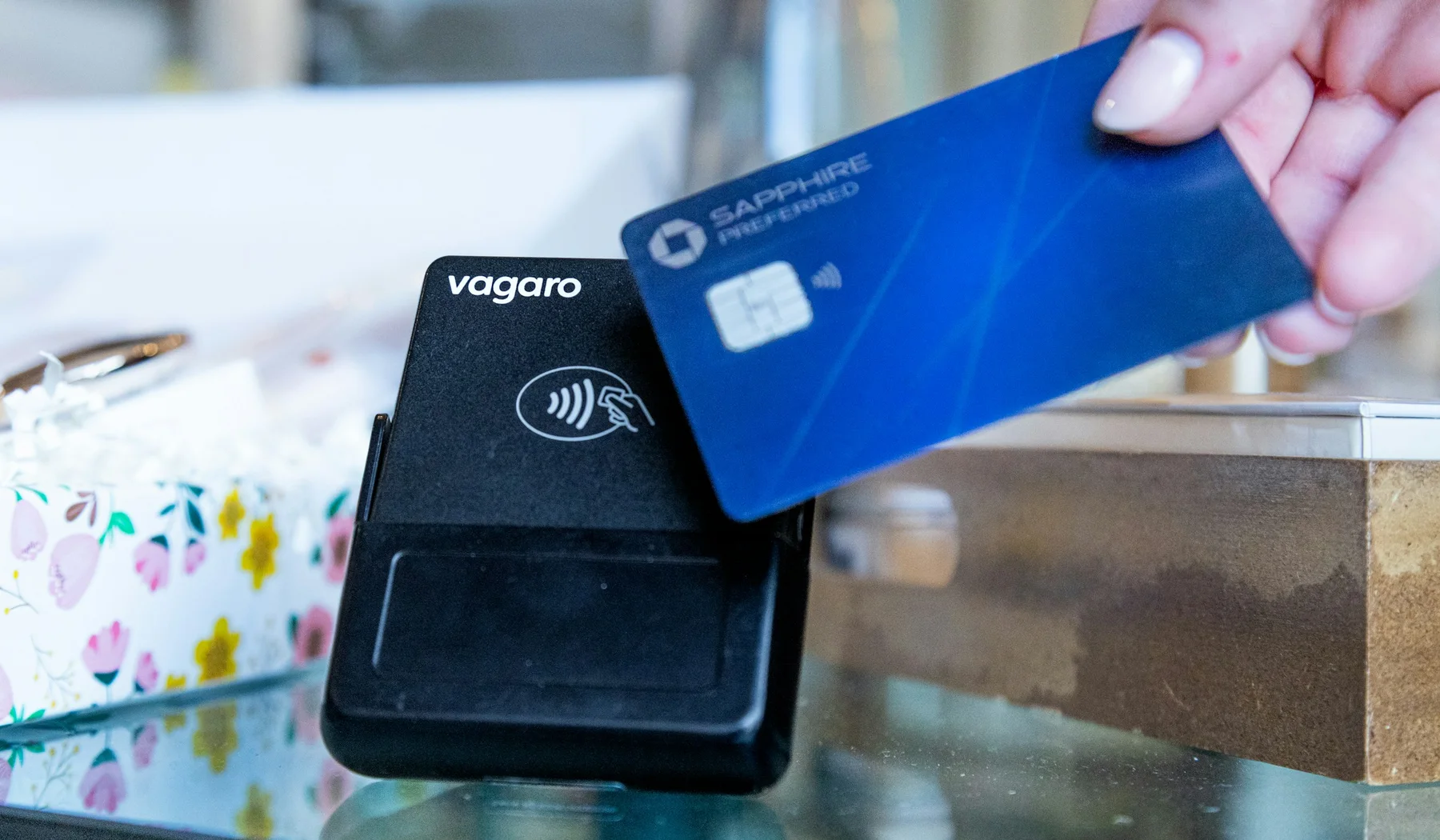
Cashless payment has become normal across many protected areas. KWS says package-tour park entry is included by the tour operator in the total safari cost, while independent visitors can use its approved payment channels. The Mara Conservancy states that it does not accept cash for park fees.
Do not send conservation money to a new personal account because someone at a gate or in a message says the system is down. Use the operator, lodge or authority named in the confirmed arrangement. Keep the invoice or receipt with the dates, visitors and protected area.
If a package says fees are included, the traveller should not need to calculate and pay them again at the gate. If something changes, resolve the duplication before making a second payment whenever possible.
Fee examples need a date and an authority
The current KWS schedule lists adult non-resident entry at USD 90 for Amboseli and Lake Nakuru, USD 80 for Nairobi National Park and either Tsavo park, USD 70 for Meru or Aberdare, and USD 50 for parks such as Hell's Gate and Mount Longonot. These are official examples under the 2025 regulations, not a universal Kenya safari price.
County reserves and private conservancies publish their own charges. Prices, categories and validity rules can change. A useful quotation therefore names the authority and applies the official fee for the actual travel date instead of copying an old blog table.
Frequently asked questions
Are park fees included in Kenya safari packages?
They often are, but not always. The inclusion list should state park, reserve and conservancy fees clearly.
Is a conservancy fee the same as a park fee?
No. A conservancy fee covers access to that conservancy. A national park or reserve fee covers a different protected area.
Do I pay both fees when staying in a conservancy?
You may pay both when the itinerary also enters a neighbouring reserve or park. If it stays entirely inside the conservancy, the second entry fee should not be assumed.
Are fees charged per person or per vehicle?
Visitor entry is usually per person, while the vehicle may have a separate charge. Other activity or landing charges may also apply.
Do children pay park fees in Kenya?
Children may have a reduced category based on age and the authority's rules. Infants may be exempt under a particular schedule. Confirm with identification before travel.
Can a park fee change after I book?
Yes. Statutory and conservancy fees can change. The booking terms should explain who pays an increase that takes effect before travel.
Can I pay park fees in cash at the gate?
Do not assume so. Major authorities use cashless systems, and the Mara Conservancy explicitly says it does not accept cash for park fees.
Why am I charged for an arrival or departure day?
Because the ticket rule may count access by entry period, calendar operating hours or time spent inside the protected area. Check the exact authority's validity rule.
Sources and further reading
- KWS Wildlife Conservation and Management Fees Regulations 2025
- KWS conservation fee schedule and definitions
- KWS guidance on advance payment and package tours
- Mara Conservancy conservation fees and ticket rules
- How Mara Conservancy distributes fees
Once every charged day has a named protected area beside it, the bill becomes much easier to understand. That clarity is the real answer to how park fees and conservancy fees work in Kenya.
Match every charge to the actual route
Share the travel dates, protected areas, traveller categories and quotation so each fee can be checked in context.