
Kenya Domestic Safari Airlines, Baggage Limits, and Soft Bags
On many bush flights, the allowance covers the duffel, hand baggage and camera together. The operating airline and exact route decide the rule.
- First, identify the airline that operates the flight
- Why 15 kg means the whole travelling load
- Why airlines ask for soft bags
- Do all airlines ban hard-shell suitcases?
- Safarilink baggage rules in plain language
- AirKenya baggage rules in plain language
- Governors’ Aviation baggage rules in plain language
- FlyALS baggage rules in plain language
- Cameras create the most common packing surprise
- What happens when a bag is overweight?
- Storage in Nairobi can protect a longer trip
- A freight seat is not another passenger seat for comfort
- Laundry is part of the baggage plan
- Weigh the packed bag, not the empty plan
- Frequently asked questions
The international suitcase rolls beautifully through an airport. Then it reaches Wilson Airport and meets a luggage compartment shaped more like a narrow pod than a hotel wardrobe.
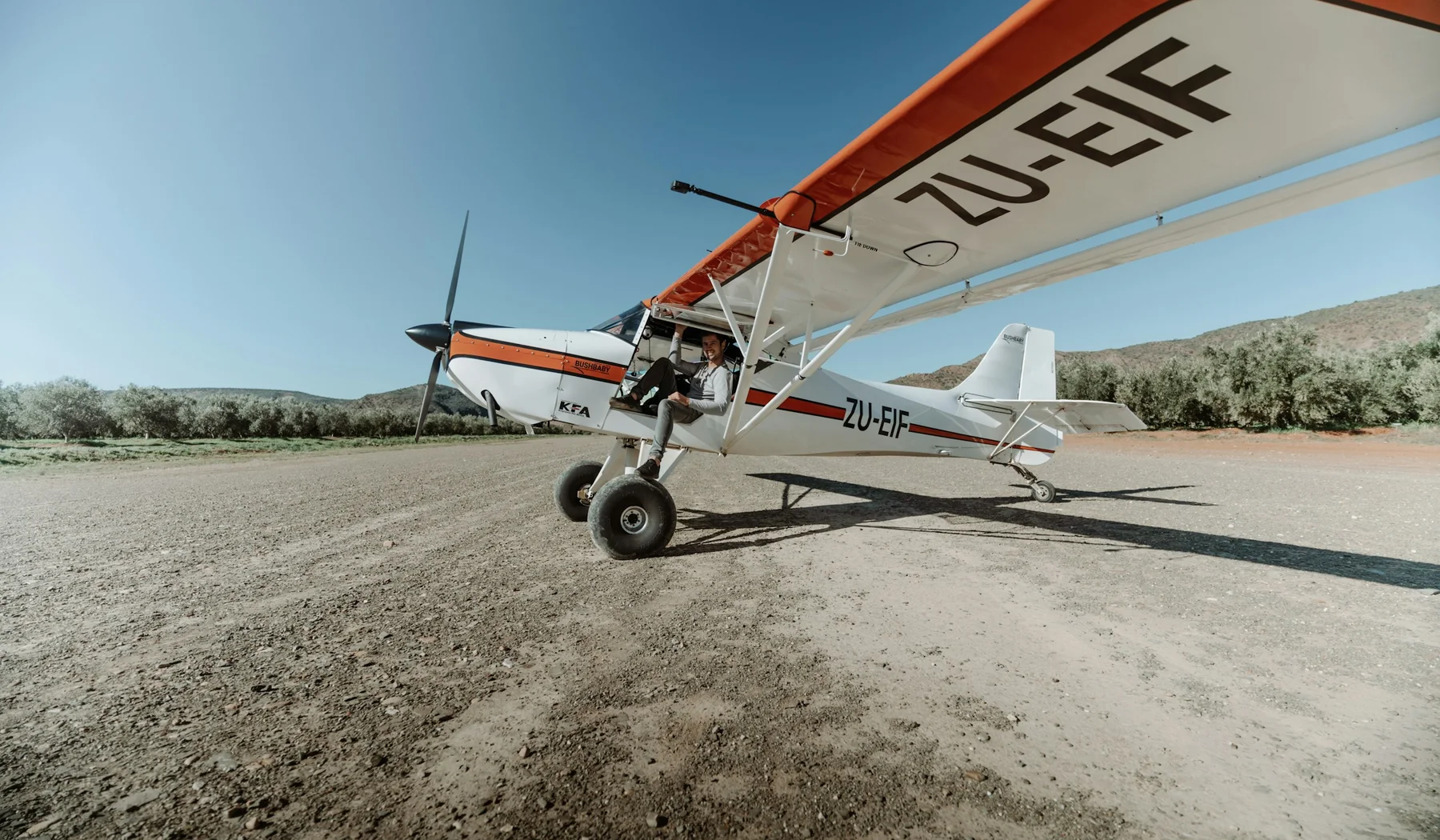
That is why packing for a Kenya safari flight starts with the smallest aircraft on the itinerary, not the largest. A long-haul airline may allow a large checked case, cabin trolley and personal item. A scheduled flight to the Maasai Mara, Amboseli, Lewa or Samburu may count everything together and ask for a flexible bag that can fit around the aircraft's irregular hold.
For many scheduled bush routes, the working rule is 15 kg per passenger in total, including hand baggage and cameras, packed in a soft-sided bag. It is a good starting point, but not a substitute for the ticket. Safarilink, AirKenya, Governors' Aviation and FlyALS publish route-specific details, and selected coastal services may have a higher allowance.
This guide to Kenya domestic safari airlines, baggage limits and soft bags explains the differences before the check-in scale does.
| Airline | Common safari allowance | What is included | Important variation |
|---|---|---|---|
| Safarilink | 15 kg total on safari routes | Hand baggage and cameras | 20 kg on listed coastal and regional destinations |
| AirKenya | 15 kg total | Hand baggage | Soft-sided bags required; freight-seat and storage options available |
| Governors' Aviation | 15 kg total | Personal carry-on items | Its detailed policy gives dimensions for limited small hard-shell baggage, but the ticket governs |
| FlyALS | 15 kg total on most safari routes | Hand baggage | 20 kg for Diani; excess carriage depends on space and payload |
First, identify the airline that operates the flight
A booking confirmation may show a safari package, lodge or ticket seller more prominently than the operating carrier. The baggage rule belongs to the airline actually carrying the passenger.
This matters when an operator can move a booking to an equivalent service. Governors' published schedule notes that passengers may be rebooked onto another airline when operating circumstances require it. A connection sold alongside Kenya Airways can still be operated by a specialist carrier with a smaller hold and different allowance.
Write down four things for every flight:
- operating airline;
- departure and arrival airport or airstrip;
- aircraft or route type, if stated;
- baggage allowance printed in the ticket conditions.
The flying into Nairobi guide explains why JKIA and Wilson Airport also need to be treated as separate airports in the same journey.
Why 15 kg means the whole travelling load
On many safari flights, 15 kg is not simply the checked bag. Safarilink states that its total includes hand baggage and cameras. AirKenya says its allowance includes all hand baggage. Governors' and FlyALS also describe a total inclusive of personal or hand items.
If the duffel weighs 14.8 kg and the camera backpack weighs 6 kg, the passenger is not within a 15 kg total allowance. A laptop, binoculars, lenses, toiletries and the bag itself all have weight.
A traveller comparing Kenya bush-flight experiences wrote, "I've had my bags + carryon weighed, I've had just my bags weighed, and I've had nothing at all weighed." Read the discussion. That variation is not permission to exceed the published rule. It shows why a traveller should pack for the strict check rather than the most relaxed story online.
Infants may not receive their own allowance
Safarilink and FlyALS state that infants who do not occupy a paid seat do not receive a baggage allowance. Families should not divide the packing total by every person in the vehicle without checking the ticketed seats.
The Kenya safari with children guide covers child seats, room layouts and the other details that need to be agreed before the route is confirmed.
Why airlines ask for soft bags
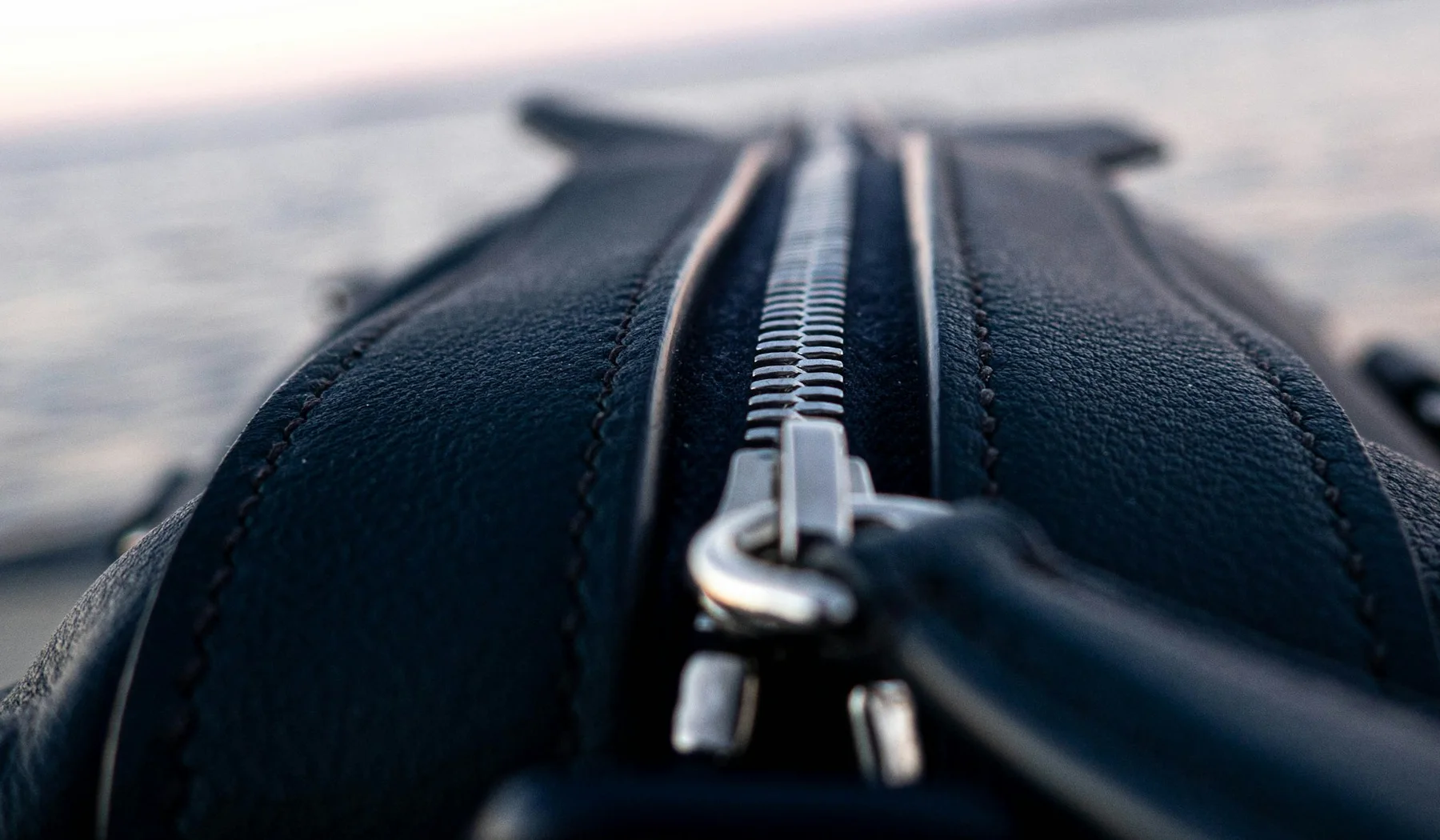
The answer is volume as much as weight. Safarilink explains that many aircraft have luggage compartments with limited volume and irregular shapes. A soft duffel can compress into that space. A rigid case cannot.
The best bag is fully flexible on the top, bottom and sides. Heavy frames, long telescopic handles and large fixed wheels can defeat the purpose even when fabric covers the outside. A lightly structured duffel may be accepted by one airline and rejected by another if it cannot conform to the hold.
Do not buy a new bag from a generic "safari approved" label alone. Compare its filled dimensions, frame and wheels with the operating airline's policy.
One recent Kenya traveller put the practical point simply: "We used duffle bags (with no wheels) for Kenya because we also had air transfers in our itinerary, and they were perfect for the small bush planes." Read the account.
Do all airlines ban hard-shell suitcases?
No, and this is where repeated packing advice becomes too broad. Safarilink warns that large rigid suitcases can be difficult to stow and may have to follow on another flight. AirKenya asks for soft-sided bags. FlyALS requires soft-sided bags on its baggage page.
Governors' Aviation publishes a more specific policy that permits a small hard-shell case within stated dimensions of 38 cm by 55 cm by 30 cm, while its general safari guidance still emphasises soft baggage. That exception belongs to Governors' current policy, not to every Kenya safari airline.
If several airlines appear in one trip, pack to the strictest rule among them. A case accepted on the first sector can still fail on the second.
| Bag type | Likely suitability | Why |
|---|---|---|
| Frameless soft duffel | Best general choice | Compresses into irregular holds and vehicles |
| Soft wheeled duffel | Check before buying | Wheels and base may form a rigid frame |
| Soft suitcase with full frame | Airline-specific | Fabric outside does not make the structure flexible |
| Small hard-shell case | Only where explicitly permitted | Dimensions and carrier rule must both match |
| Large international suitcase | Poor bush-flight choice | Too large and rigid for many light-aircraft holds |
Safarilink baggage rules in plain language
Safarilink publishes a strict 15 kg total per person on most safari routes, inclusive of hand baggage and cameras, in soft bags. Its listed 20 kg exceptions include Zanzibar, Kisumu, Diani, Lamu, Malindi, Entebbe and Mombasa.
The airline allows advance purchase of excess-baggage bundles on qualifying arrangements and recommends a freight seat for significant excess baggage. Carrying excess on the day still depends on payload and space.
That last sentence matters. Paying an excess rate is not always the same as guaranteeing that a large rigid case will fit.
AirKenya baggage rules in plain language
AirKenya publishes a maximum of 15 kg per passenger in soft-sided bags and includes hand baggage in the total. Its policy offers an advance freight-seat option for substantial extra luggage and complimentary storage for return passengers who leave excess baggage at Wilson Airport.
AirKenya also notes that scheduled safari flights may make intermediate stops. The destination on the ticket does not guarantee a non-stop route. Keep medication and essential documents accessible, but still inside the total baggage allowance.
Governors’ Aviation baggage rules in plain language
Governors' Aviation uses a 15 kg total allowance including personal carry-on items. Its detailed policy provides maximum dimensions for a soft bag and a limited small hard-shell case, permits adaptive equipment for qualified passengers, and says excess carriage depends on the pilot, passenger load and total luggage.
Its Wilson Airport office offers storage to its passengers. The policy also publishes an excess rate, but the current ticket and confirmed flight arrangement should decide what can be carried.
FlyALS baggage rules in plain language
FlyALS publishes 15 kg inclusive of hand luggage in soft-sided bags, with 20 kg for Diani. It gives maximum bag dimensions and says excess baggage is accepted only when payload and space allow. Its website also offers Wilson Airport storage and an advance freight-seat option.
Because airline pages can be revised, save the policy that applies when the ticket is issued and reconfirm it before packing.
Cameras create the most common packing surprise
A camera body, long lens, second lens, binoculars, laptop, chargers and batteries can consume much of 15 kg before clothes enter the bag.
Do not assume that wearing the camera around your neck removes it from the calculation. Safarilink explicitly includes cameras. Staff practice may differ from one check-in to another, but the published rule is the safe plan.
Build a camera inventory with actual weights:
| Item | Decision |
|---|---|
| Primary body and versatile lens | Keep if it serves most wildlife situations |
| Second body | Weigh reliability against duplicated kilograms |
| Very long prime lens | Confirm freight or seat arrangement before travel |
| Laptop | Consider whether the trip truly requires it |
| Batteries and power bank | Carry safely under applicable battery rules |
| Tripod | Often unnecessary in a safari vehicle; check size and operator policy |
The safari camera and binocular buying guide is the planned home for equipment choices and will connect back to this baggage limit.
What happens when a bag is overweight?
Several outcomes are possible: repacking, paying an excess charge, storing items, buying an advance baggage option, purchasing a freight seat, sending luggage on a later aircraft or refusing the non-compliant bag.
Excess carriage is normally subject to payload and space. A lightly booked flight may have room. A full flight from a hot, high airstrip may not. The captain's safety decision is final.
Do not build the trip around paying a few dollars per kilogram at check-in. If the excess is predictable, solve it when flights are booked.
Storage in Nairobi can protect a longer trip
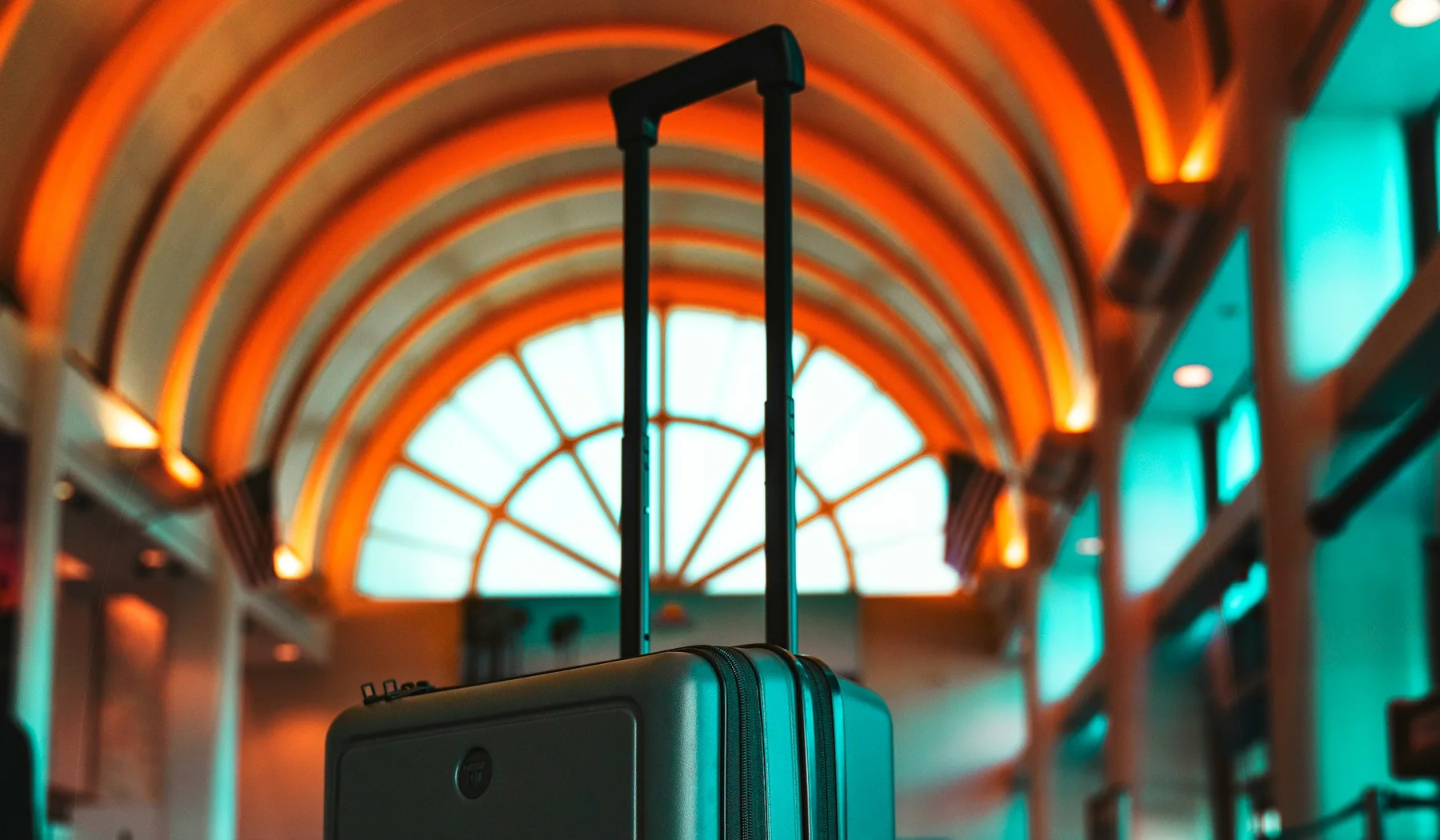
Travellers combining safari with Europe, a wedding, business or the coast may need clothes that do not belong in the bush-flight duffel. Storage can separate the journeys.
AirKenya, Governors' Aviation and FlyALS publish Wilson Airport storage options for eligible passengers. A Nairobi hotel may also hold a suitcase for a returning guest. Confirm security, opening hours, collection date, prohibited items and whether the return flight uses the same airport and operator.
One traveller described the solution clearly: "We left our hard sided bags in the luggage storage at Wilson airport in Nairobi and just took small duffels for safari." Read the independent discussion.
Storage only works when the route returns to the right place. It is a bad solution for a safari that ends at the coast or crosses into Tanzania without returning through Wilson.
A freight seat is not another passenger seat for comfort
Some airlines allow an extra seat or freight-seat arrangement that guarantees a larger baggage allocation. The additional weight still has packaging and item restrictions. It does not mean an unlimited pile of rigid suitcases can travel in the cabin.
Ask for written confirmation of:
- extra kilograms allowed;
- price and fare class;
- bag dimensions and soft-sided requirement;
- whether the seat applies to every sector;
- special handling for camera or medical equipment;
- cancellation and amendment terms.
When the trip uses more than one carrier, each sector needs its own solution.
Laundry is part of the baggage plan
Packing 15 kg becomes much easier when camps provide laundry. Service may take a day, delicate fabrics may be excluded and cultural practices can affect which personal garments staff handle. Check each property rather than assuming daily same-evening service.
Pack repeatable layers, two pairs of practical shoes at most, travel-size toiletries and clothing that can be washed together. The Kenya safari packing list helps turn the weight target into an actual bag.
Weigh the packed bag, not the empty plan
A 60-litre duffel can easily exceed 15 kg. Capacity is not allowance. Weigh every piece exactly as it will reach check-in, including camera backpack, handbag, binoculars and the duffel itself.
Leave a margin instead of aiming for 15.0 kg on a bathroom scale. Scales differ, and a wet jacket or last-minute purchase can erase the gap.
Use this final check:
- Confirm every operating airline and route.
- Find the lowest total allowance in the itinerary.
- Check whether cameras and hand baggage are included.
- Confirm dimensions and whether wheels or rigid frames are allowed.
- Arrange storage or freight before travel.
- Weigh the complete load with a margin.
- Keep medication, documents and essential valuables accessible within the allowance.
Before the final checklist, remember that Kenya domestic safari airlines, baggage limits and soft bags must be checked together. The allowance, bag shape and operating carrier are one decision.
Frequently asked questions
Is the 15 kg limit checked on Kenya safari flights?
It can be. Travellers report different check-in experiences, but the airline may weigh all luggage and enforce the published total.
Does the 15 kg include hand luggage?
Yes on the common policies discussed here. Safarilink also explicitly includes cameras.
Can I take a wheeled duffel?
Only if its frame and dimensions meet every operating airline's rule. A rigid wheeled base may prevent the bag from compressing.
Can I take a hard-shell suitcase?
Not as a general rule. Some detailed policies allow a small case within exact dimensions, while other airlines ask for soft bags. Follow the strictest ticketed carrier.
Can I pay for overweight baggage at the airport?
Possibly, but acceptance depends on space and aircraft payload. Advance baggage or freight arrangements are more reliable.
What should I do with my international suitcase?
Use confirmed storage if the itinerary returns through the same Nairobi point, or repack before safari and arrange onward delivery that matches the route.
Do coastal flights have the same limit?
Not always. Safarilink and FlyALS publish higher allowances on selected coastal routes. Check the exact origin, destination and airline.
Can medical or mobility equipment travel?
Airlines have specific assistance and adaptive-equipment rules. Notify the carrier before ticketing and obtain written confirmation.
Sources and further reading
- Safarilink baggage allowance
- Safarilink terms
- AirKenya baggage policy
- Governors' Aviation baggage policy
- FlyALS baggage allowance
Kenya domestic safari airlines, baggage limits and soft bags belong in the route discussion before tickets are issued. When the smallest aircraft is planned first, the suitcase never gets the chance to become the most dramatic part of the safari.
Check every flight before packing
Share operating airlines, routes, travellers and equipment so the baggage plan works from Wilson Airport to the final airstrip.