
Kenya Safari Packing List: What to Bring for Every Route
Build a lighter, more useful bag around the aircraft, vehicle, weather, parks, activities and travellers on your exact Kenya journey.

- The complete Kenya safari packing list
- Tick and print the essential checklist
- Start with the luggage rule, not the clothing pile
- The best bag setup for a Kenya safari
- What to wear on a game drive
- What to wear at the lodge or camp
- How many clothes for 7, 10 or 14 days
- Packing for cold mornings, hot afternoons and rain
- How the packing list changes by destination
- Fly-in safari packing
- Road safari packing
- Camera, phone and binoculars
- Charging and electricity
- Health, medicine and insect protection
- Toiletries that earn their space
- Documents, money and digital backups
- Packing for children
- Packing for older travellers and accessibility needs
- Adding the Kenya coast
- Adding Mount Kenya, the Aberdares or highland walking
- Packing for walking safaris and conservancy activities
- What not to pack
- The night-before-departure packing check
- Watch a traveller pack for Kenya
- What travellers wished they had known
- Kenya safari packing FAQs
- Pack for the journey you are actually taking
Packing for Kenya becomes much easier when you stop imagining one kind of safari. A three-night fly-in stay in the Masai Mara asks different things of your bag than a two-week road circuit through Samburu, Laikipia and Amboseli. Add a few days in Diani, a Mount Kenya trek or children, and the generic khaki-shirt checklist falls apart.
The goal is not to look like a safari catalogue. It is to stay warm on a dawn drive, cool at lunch, dry during a sudden shower and comfortable when the road turns dusty. Everything has to fit the vehicle or aircraft that carries you.
Check my packing plan against my safari route
Share your route, dates, domestic flights, travellers and any coast, mountain, medical or accessibility needs. We will match the luggage and packing brief to the actual journey.
The complete Kenya safari packing list
This is the master list. You will not need every item. Use the later sections to remove what does not suit your trip.
| Pack in your main bag | Keep in your day bag or hand luggage | Add only when the route needs it |
|---|---|---|
| 3 to 5 lightweight tops | Passport and eTA approval | Swimsuit and beach cover-up |
| 2 to 3 safari trousers | Wallet, cards and emergency cash | Reef shoes or sandals for the coast |
| 1 pair of comfortable shorts | Prescription medicine | Waterproof shell for wet-season travel |
| Warm fleece, sweater or light insulated jacket | Travel insurance and emergency contacts | Warm hat and gloves for highland or mountain routes |
| Light long-sleeved shirt | Phone and charging cable | Walking boots for a planned trek |
| Underwear and socks | Camera, lenses and memory cards | Smart-casual outfit for a city restaurant or special dinner |
| Sleepwear | Binoculars | Child carrier or specialist mobility equipment |
| Closed walking shoes or trainers | Sunglasses and hat | Waterproof dry pouch for a boat or beach day |
| Sandals for lodge or beach use | Sunscreen and insect repellent | Specialist photographic support approved for the vehicle |
| Broad-brimmed hat or cap | Refillable water bottle | Small laundry kit if camps do not offer laundry |
| Personal toiletries | Tissues, lip balm and hand sanitiser | Snorkelling or sports equipment only after checking transport rules |
| Compact first-aid supplies | One clean top and basic overnight items | Trekking poles when the activity and airline allow them |
The best bag is the one you can manage at an airport, fit into a safari vehicle and repack without turning every morning into a search party.
Tick and print the essentials before the bag closes
This shorter list is for the last pass across the bed. Tick it on screen as you pack, or use the print button for a clean paper checklist. Optional coast, mountain and specialist camera items come later in the guide.
Documents and health
Clothing and comfort
Game-drive day bag
Bags and final checks
Start with the luggage rule, not the clothing pile
International airlines often permit a wheeled case and a separate cabin bag. Safari aircraft may not. AirKenya's current baggage policy states a total allowance of 15 kilograms in soft-sided bags, including hand baggage, on its services. Other airlines, charter types and fare products can differ, so the flight named in your itinerary is the rule that matters.
Soft bags work because they can be shaped into small aircraft holds and vehicle compartments. A rigid suitcase, large frame, trolley mechanism or hard corners can prevent a bag from fitting even when its weight is acceptable.
Before you pack, write down:
- The airline and fare for every domestic or regional sector
- Total weight allowance, including hand baggage
- Maximum bag dimensions
- Soft-sided or hard-case rule
- Whether excess baggage can be prepaid
- Whether a luggage-storage arrangement is available in Nairobi
- Any separate limit for camera equipment
Do not rely on a rule from a previous safari. Aircraft, routes and operators can change. Check the confirmed itinerary and the operating airline close to departure.
The best bag setup for a Kenya safari
A simple three-bag system works for most travellers.
One soft-sided main bag
Choose a duffel with a wide opening, strong zip, visible name tag and enough structure to protect clothes without becoming rigid. Wheels add weight and may be awkward on gravel, although small soft luggage with light wheels can work if the airline permits it.
Use packing cubes or cloth pouches to separate tops, underwear, camera accessories and laundry. They keep a soft bag organised without the banned plastic carrier bags that travellers sometimes use as improvised dividers.
One secure personal day bag
This stays with you during transfers and game drives. It should hold your passport, medicine, money, phone, camera, sunglasses, sunscreen, insect repellent and a light layer. A quiet zip is useful when you need a lens cloth near a sleeping lion.
Choose a bag that closes properly. An open tote is easy to spill when the vehicle leans on a rough track.
One packable spare
A lightweight cloth tote or foldable daypack helps with laundry, beach days and purchases. Kenya's National Environment Management Authority prohibits plastic carrier bags and advises travellers that affected duty-free carrier bags cannot be brought into the country. Bring a reusable cloth option instead.
What to wear on a game drive
Safari mornings can begin in darkness. You may leave camp in a fleece, pull it off after sunrise and reach lunch in a short-sleeved shirt. Layers are more useful than one heavy coat.
A comfortable game-drive outfit is:
- Breathable T-shirt or long-sleeved shirt
- Light trousers with a little stretch
- Fleece, sweater or packable jacket within reach
- Closed trainers or walking shoes
- Hat with a secure fit
- Sunglasses
- Light scarf or buff for dust, sun and wind
Neutral colours such as olive, stone, tan, grey and muted blue hide dust and sit quietly in the landscape. You do not need a completely khaki wardrobe. Avoid full camouflage clothing, which can have military associations and may be restricted in some countries you pass through.
Bright white quickly shows dust. Very dark fabrics can feel hot in direct sun. Blue and black are sometimes discouraged in areas where tsetse flies occur, but one navy T-shirt will not ruin a trip. Comfort and bite protection matter more than creating a costume.
What to wear at the lodge or camp
Most safari properties are relaxed. Clean trousers, a shirt, dress or skirt and a sweater are enough for dinner. Luxury does not automatically mean a jacket and tie.
Pack one outfit that makes you feel good for a special dinner, honeymoon evening or city hotel. It can still be light and washable. High heels are rarely useful on gravel paths, timber decks or uneven tent flooring.
After dark, wear closed shoes and follow the camp's escort rule. Long sleeves and trousers reduce exposed skin when insects are active. Never step outside an unfenced tent to investigate a sound.
How many clothes for 7, 10 or 14 days
Most travellers overpack because they count one outfit for every day. Laundry changes the calculation.
| Item | 7-day safari | 10-day safari | 14-day safari with laundry | Notes |
|---|---|---|---|---|
| Lightweight tops | 4 | 5 | 5 to 6 | Include at least one long-sleeved option |
| Safari trousers | 2 | 3 | 3 | Zip-off trousers are optional, not essential |
| Shorts | 1 | 1 to 2 | 2 | Useful at the lodge and coast, less useful at dawn |
| Warm layer | 1 | 1 | 1 to 2 | Add a second layer for high-altitude or cold-season routes |
| Underwear | 7 | 7 to 10 | 7 to 10 | Some lodges do not wash intimate items |
| Socks | 4 to 5 pairs | 5 to 7 pairs | 6 to 7 pairs | Add hiking socks only for planned walks or treks |
| Closed shoes | 1 pair | 1 pair | 1 pair | A second pair helps if your route is wet or includes a trek |
| Sandals | 1 pair | 1 pair | 1 pair | Lodge and beach use |
| Smart-casual outfit | 1 | 1 | 1 to 2 | Only if you will use it |
Ask each property whether laundry is included, charged separately, returned the same day and able to handle underwear. Small camps may hand-wash and air-dry clothes, so delicate fabrics and items needed that evening are poor choices.
Packing for cold mornings, hot afternoons and rain
Kenya sits on the equator, but altitude makes many safari areas cooler than first-time visitors expect. Nairobi is high, the Mara can be cold before sunrise, and the Aberdares or Mount Kenya foothills can feel genuinely chilly. Open vehicles increase wind exposure.
For a cold dawn, layer a T-shirt, long-sleeved shirt and fleece, then add a light windproof jacket. A thin beanie is useful for travellers who feel the cold. Some camps provide blankets or ponchos, but do not assume they will fit every child.
For rain, choose a breathable, packable shell rather than a heavy city coat. A small dry pouch protects documents and electronics. Waterproof over-trousers are usually unnecessary for vehicle-based safaris but useful for serious walking or mountain routes.
During hot afternoons, loose breathable fabric, shade, water and sunscreen matter. A safari shirt with many pockets is optional. A shirt that dries overnight is much more useful.
How the packing list changes by destination
The same month can feel different across Kenya because altitude, wind, humidity and vegetation change. Use the route as a final filter.
| Destination | What often catches travellers out | Useful adjustment |
|---|---|---|
| Masai Mara | Cold open-vehicle mornings, dust in dry periods and sudden showers | Fleece, windproof layer, scarf or buff, rain shell and lens-cleaning kit |
| Amboseli | Strong sun, fine dust and warm afternoons, with cooler dawns | Hat, sunscreen, refillable bottle, closed shoes and a light fleece |
| Samburu and Buffalo Springs | Heat, bright sun and dry air | Breathable long sleeves, strong sun protection, hydration plan and lip balm |
| Laikipia conservancies | Wider activity mix, including walks, riding or camel experiences at some properties | Confirm footwear and clothing for the booked activity, plus a warm dawn layer |
| Tsavo East and West | Heat, red dust and long road sectors on some circuits | Dust protection, lightweight clothing, water bottle and protective camera bag |
| Lake Nakuru and Naivasha | Cooler highland mornings, boat spray at Naivasha and varied walking surfaces | Light jacket, closed shoes and a small dry pouch for boat days |
| Aberdares and Mount Kenya foothills | Rain, cold evenings and higher altitude | Warm layers, waterproof shell, grippy shoes and warm sleepwear |
| Meru National Park | Remote setting, heat and possible rain depending on season | Complete medicine supply, sun protection, rain shell and power backup |
| Nairobi | Cool evenings, restaurants, museums and city transfers | One smart-casual outfit, light jacket and a compact secure day bag |
| Kenya coast | Humidity, intense sun, boat days and modest dress away from resorts | Swimwear, breathable cover-up, sandals, high-protection sunscreen and dry pouch |
This table is a starting point, not a forecast. Check the weather for the exact travel dates and ask each camp whether game drives use open or closed vehicles. A closed 4×4 protects you from wind differently from an open conservancy vehicle.
Fly-in safari packing
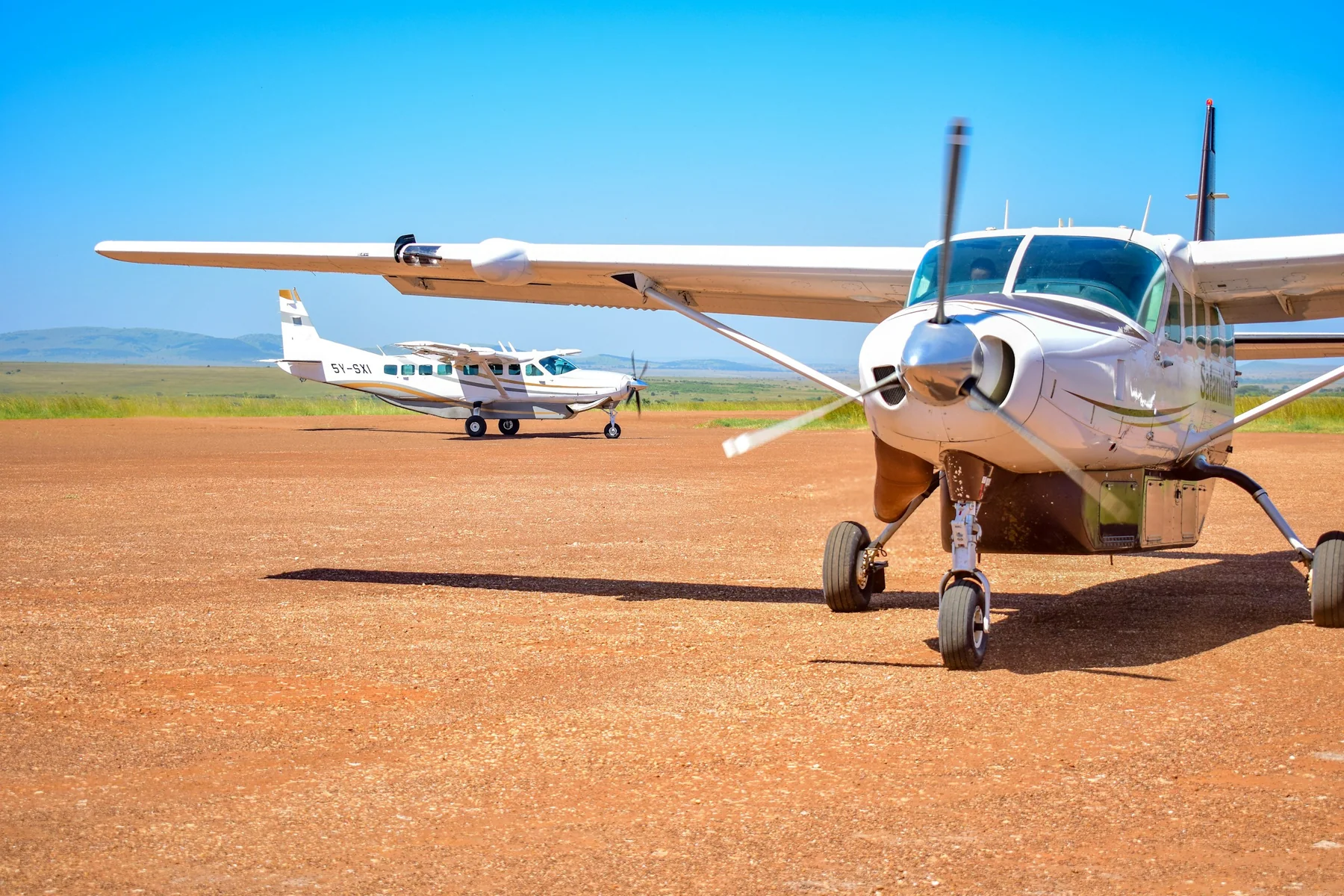
A light aircraft on a bush strip makes the baggage rule feel less arbitrary. The hold is small, and every passenger's luggage has to fit. AirKenya states a 15-kilogram total allowance in soft bags, including hand baggage. Treat that as a real ceiling when it is your operating carrier.
For a fly-in route:
- Weigh the main bag and day bag together
- Use a soft duffel without a rigid frame
- Wear the heaviest shoes and warm layer on travel day
- Decant toiletries into small reusable containers
- Leave books and duplicate chargers at home
- Confirm camera-equipment treatment before departure
- Store an international hard-shell suitcase in Nairobi only through a planned, documented arrangement
- Pack one change of clothes and all medicine in the bag that remains with you
If camera equipment pushes the limit, ask about an additional luggage allowance before arrival. Excess baggage may be subject to space and cannot always be solved at the airstrip.
Our fly-in Masai Mara safari guide explains airports, airstrips, lodge vehicles and the time trade-off in more detail.
Check luggage limits for my confirmed flights
Share your route, dates, domestic flights, travellers and any coast, mountain, medical or accessibility needs. We will match the luggage and packing brief to the actual journey.
Road safari packing
Road travel is usually more forgiving, but a private 4×4 is not a moving wardrobe. Large hard cases can block the rear door, obstruct sightlines and make daily loading slow. A soft bag is still the friendlier choice.
Keep the day bag small enough to sit at your feet without becoming a trip hazard. Pack a fleece, water, camera, binoculars, sunscreen and tissues where you can reach them without opening the main luggage.
For a longer road circuit, add:
- Motion-sickness remedy recommended for you, if needed
- Neck cushion only if it packs small
- Offline maps, books or downloaded audio for transfer days
- Charging cable compatible with the vehicle arrangement
- Cloth bag for dusty shoes or laundry
- Refillable water bottle that will not leak
Read the Kenya road safari packages guide if luggage, child seats, photography or mobility equipment will influence the vehicle choice.

Camera, phone and binoculars
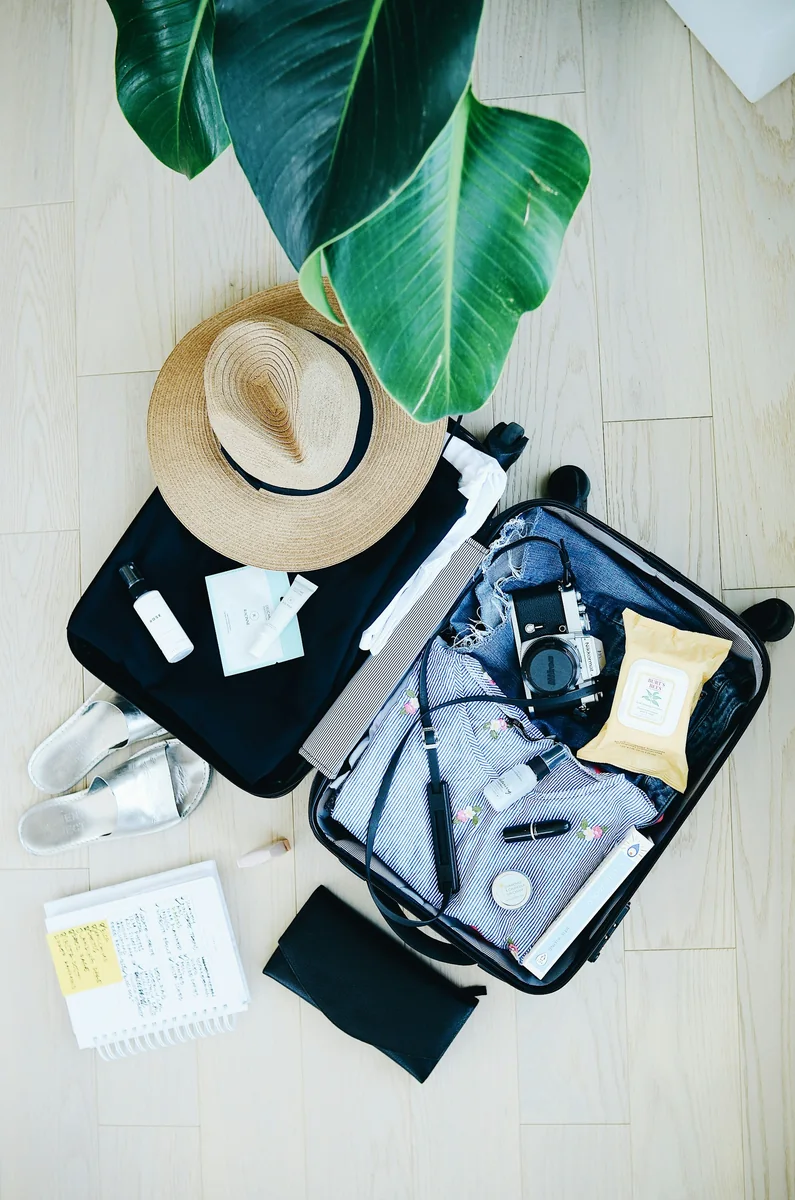
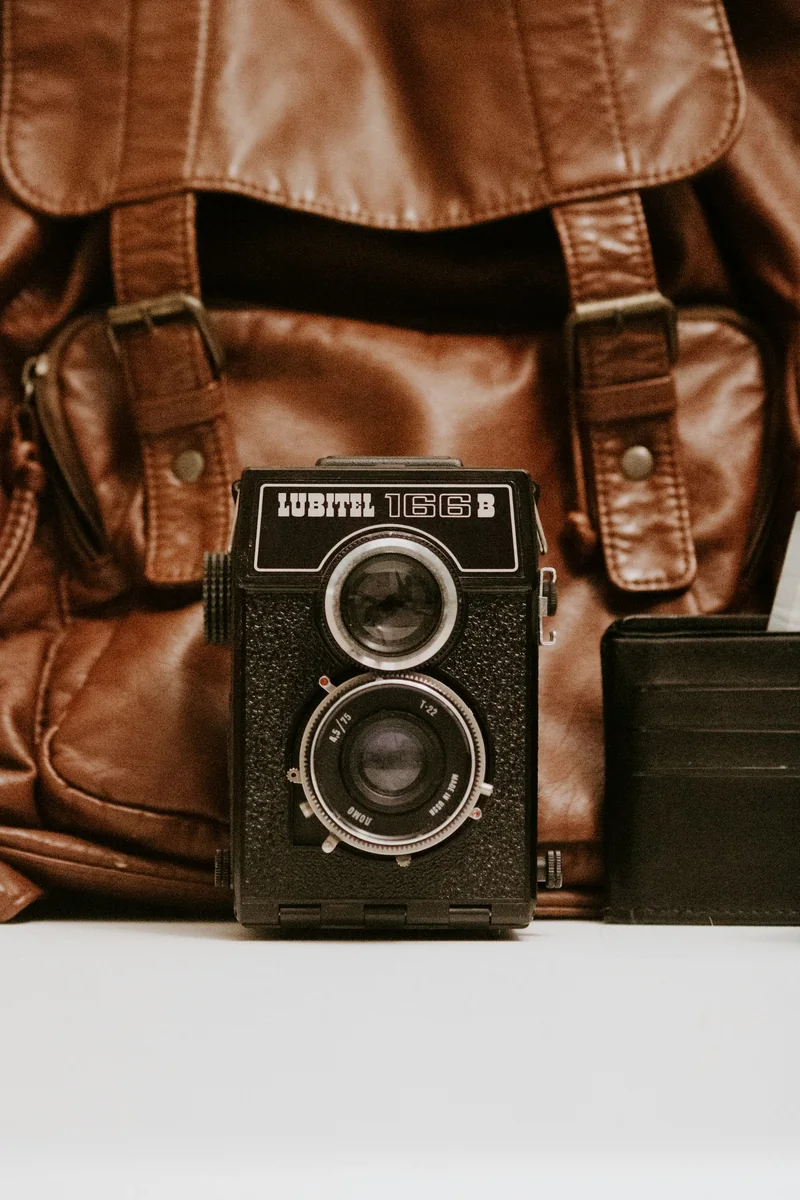
A phone can make wonderful landscape and close-animal pictures. A camera with a telephoto lens gives more reach. Bring the equipment you already understand, because a safari is a difficult place to learn an entirely new system.
Useful camera items include:
- Camera body and lens or lenses
- At least two batteries
- Enough memory cards for several days
- Lens cloth and blower
- Padded bag that closes against dust
- Charger and labelled cables
- Simple backup plan, such as a small solid-state drive or cloud upload when connection allows
- Beanbag only if the vehicle and luggage allowance suit it
Tripods are awkward in most game-drive vehicles. A monopod may also be difficult when several guests share the roof opening. Ask before packing either. Never rest equipment outside the vehicle where it can fall when the driver moves.
Binoculars change the experience even for non-photographers. An 8×42 or 10×42 pair is a practical safari size, but comfort and eye relief matter more than chasing a specification. Families often enjoy one pair per two people rather than one pair for the whole vehicle.
Charging and electricity
Kenya commonly uses Type G sockets, the three rectangular-pin format also used in the United Kingdom, with a 240-volt, 50-hertz supply. Check every device label. Most modern phone and camera chargers accept a broad voltage range, while some personal appliances do not.
Pack:
- One high-quality Type G or universal adapter
- A compact multi-port USB charger
- Power bank within the airline's cabin-baggage rules
- Short, labelled charging cables
- Spare camera battery
- Torch or headlamp if the camp recommends one
Remote camps may use solar power or switch generators off overnight. Charge when power is available. Do not bring high-wattage hair tools unless the property confirms that its system supports them.
Health, medicine and insect protection
Pack prescription medicine in its original labelled container, with enough for the entire journey and a sensible delay margin. Keep it in hand luggage. Carry copies of prescriptions where appropriate, and ask the prescribing clinician about time-zone changes, refrigeration or controlled medicines.
The CDC's Kenya traveller guidance recommends appropriate insect repellent, protective clothing, sunscreen and a basic first-aid kit. It also advises travellers to discuss malaria prevention for relevant areas. Your route, medical history, age and pregnancy status can change the advice, so use a travel-health clinician rather than another traveller's prescription.
A compact health kit may include:
- Personal prescription medicine
- Clinician-recommended malaria medicine, if prescribed
- Insect repellent with an effective registered active ingredient
- Sunscreen and lip balm with sun protection
- Adhesive dressings and blister care
- Oral rehydration salts
- Hand sanitiser and tissues
- Pain or fever medicine you can normally take
- Antihistamine you can normally take
- Spare glasses or contact-lens supplies
- Period products
- Small thermometer if travelling with children
Do not hide severe allergies, mobility needs or medical devices from the planner. They can affect room position, aircraft assistance, fridge access and distance from medical care. Use our Masai Mara malaria, vaccines and health guide to prepare for a professional consultation.
Toiletries that earn their space
Many lodges provide soap, shampoo and body lotion. Small camps may avoid single-use containers. Ask before packing full-size duplicates.
Useful personal items are:
- Toothbrush and toothpaste
- Moisturiser and lip balm
- Unscented deodorant
- Small hairbrush or comb
- Nail file or clippers in checked luggage
- Reusable menstrual products or enough preferred supplies
- Contact lenses, solution and backup glasses
- Biodegradable wipes used sparingly and packed out correctly
- Solid or small-format toiletries for fly-in limits
Strong perfume can be unpleasant in a shared vehicle and may attract insects. Keep fragrance light.
Documents, money and digital backups
Keep your passport, eTA approval, insurance, essential health documents and emergency contacts together but not dependent on one phone battery. Save offline copies and leave a secure copy with someone at home.
Carry:
- Passport with the required validity
- Kenya eTA approval or other entry documentation that applies to you
- Travel insurance certificate and assistance number
- Flight and accommodation confirmations
- Safari operator contact and airport handover details
- Bank cards and a small amount of useful cash
- Copies of prescriptions and relevant medical letters
- Child consent or guardianship documents when required
- Driver's licence if a self-drive section is planned
The Kenya eTA guide covers the official application path and document preparation. The safari travel insurance guide explains medical evacuation, cancellation and activity cover.
Packing for children
Children need familiar comfort as much as safari gear. A favourite small toy, familiar snack for transfer days and correctly sized warm layer can prevent a minor discomfort from becoming the day's main event.
Pack for children:
- Sun hat that stays on
- Child-appropriate sunscreen and repellent
- Warm fleece and long trousers
- Closed shoes plus sandals
- Refillable bottle
- Familiar medicine with dosing instructions
- Small binoculars if age-appropriate
- Quiet activities for long transfers
- Comfort item for bedtime
- Spare outfit in the day bag
- Nappies, wipes and disposal plan when relevant
Confirm car seats or booster seats before travel. Do not assume the same standard, attachment system or availability as at home. Ask about family laundry, meal times, fencing, pool safety and whether the room is reached by steps.
Packing for older travellers and accessibility needs
The right equipment depends on the route. A walking stick that folds, a supportive seat cushion or a step aid can make a larger difference than extra clothing.
Share dimensions and battery information for wheelchairs or mobility devices before flights are booked. Ask about aircraft steps, vehicle entry height, bathroom rails, path surfaces, distance from room to dining area and whether assistance is available.
Keep hearing-aid batteries, glasses, medication and a written medical summary in hand luggage. A small dry pouch protects devices during rain or boat transfers.
Adding the Kenya coast
Safari clothing works poorly as an entire beach wardrobe. The coast is hot and humid, and cultural context matters away from a private resort.
Add:
- Two swimsuits so one can dry
- Light cover-up or loose shirt
- Sandals
- Breathable casual clothes
- Sun hat and high-protection sunscreen
- Reef-safe choices where required by the activity provider
- Dry pouch for boat days
- Modest outfit for towns, villages or religious sites
- Lightweight rain layer in wetter months
Do not carry valuable jewellery to the beach simply because it fit in the safari bag. Leave unnecessary valuables at home.
Adding Mount Kenya, the Aberdares or highland walking
A lodge stay in the Aberdares needs warm layers and rain protection, but not technical climbing equipment. A Mount Kenya trek is a separate packing problem that should follow the guide company's route, altitude and porter brief.
For highlands, consider:
- Warm base layer
- Insulating fleece or light down jacket
- Waterproof shell
- Warm hat and light gloves
- Grippy walking shoes
- Hiking socks
- Small daypack
- Trekking poles if the route and carrier allow them
- Sun protection, because altitude increases exposure
Do not improvise technical mountain gear from a vehicle-safari list. Confirm sleeping bag rating, waterproofing, footwear and porter limits with the trek operator.
Packing for walking safaris and conservancy activities
A guided nature walk may require long trousers, closed shoes and muted colours. The property may prohibit bright clothing or open footwear for safety. A long, technical walk may need a hydration pack, gaiters or different footwear.
Night drives can be cold even after a hot day. Keep the fleece and light windproof layer within reach. Red light on a headlamp can be useful around camp, but always follow the guide's lighting instructions near wildlife.
What not to pack
Leave these behind unless a specific part of the route requires them:
- Rigid oversized suitcase for a light-aircraft itinerary
- Plastic carrier bags affected by Kenya's ban
- Full camouflage outfit
- Heavy formal clothing
- Several pairs of shoes
- High-wattage hair appliances without lodge approval
- Drone without the required permissions and operating plan
- Expensive jewellery
- Large tripod for a shared vehicle
- Strongly scented products
- Food that creates customs or biosecurity problems
- Wildlife products, feathers, bones or plants collected along the way
- Medication decanted into unlabelled containers
A drone is not an ordinary camera accessory. Protected areas, aviation rules and privacy all matter. Do not arrive expecting to launch it from camp.
The night-before-departure packing check
Lay out the bags and do the final check in this order:
- Weigh every bag according to the strictest domestic flight on the itinerary.
- Move passport, medicine, money, camera and one change of clothes into the personal bag.
- Check that liquids, batteries and sharp items are packed according to airline security rules.
- Remove prohibited plastic carrier bags and replace them with cloth or reusable pouches.
- Confirm chargers, adapter and power bank.
- Download eTA, insurance, flight and transfer documents for offline access.
- Add a label with your name and reachable contact details.
- Photograph the contents and closed bags for insurance records.
- Send the final luggage weights to the planner if a charter or special allowance was arranged.
- Leave behind one item you packed "just in case" but cannot explain.
Match my packing list to every stop
Share your route, dates, domestic flights, travellers and any coast, mountain, medical or accessibility needs. We will match the luggage and packing brief to the actual journey.
Watch a traveller unpack every choice
The creator behind No Niche filmed what she packed for a June Kenya safari, then walked through clothing, toiletries and camera gear item by item. It is an independent traveller’s bag, not an operator’s product list.
Her choices do not all belong in your bag. That is the point. Watch the clothing volumes, the camera section and the reasons behind each item, then compare them with your aircraft limit, laundry access and route.
What travellers wished they had known before packing
These are exact words from independent public discussions. The routes and travellers differ, but their comments point to the same three lessons: the day bag matters, the vehicle is a sitting environment and evenings can feel colder than expected.
And pack comfortable clothing since you’re sitting for 6-7 hours a day in a safari truck.
MOST USEFUL – this was my day pack for our phones, chargers, medicines, camera, etc.
I went on a safari in Tanzania in January and did not pack warm enough clothes for the evening.
Kenya safari packing FAQs
Do I have to wear khaki on safari in Kenya?
No. Comfortable muted colours are practical because they hide dust and feel unobtrusive. Olive, tan, grey and muted blue all work. The fit, fabric and layers matter more than a perfect colour palette.
Can I bring a hard-shell suitcase?
It may be fine for an international flight or road-only trip, but many light-aircraft safari routes require soft-sided bags. Follow the strictest confirmed carrier rule.
Is 15 kilograms enough for a safari?
Yes, when laundry is available and you pack layers rather than daily outfits. Remember that some airline allowances include hand baggage in the total.
Are jeans good for safari?
One comfortable pair can work in cool weather or Nairobi, but denim is heavy, slow to dry and bulky for fly-in limits. Lightweight trousers are usually more useful.
What shoes should I wear?
Closed trainers or light walking shoes suit vehicle safaris and ordinary camp paths. Add sandals for the lodge or coast. Bring hiking boots only for a genuine trek or demanding walk.
Do I need binoculars?
They are strongly recommended. Binoculars make distant cats, birds and small details much easier to enjoy. Ask whether the vehicle or camp provides a pair, but personal binoculars remove sharing.
Do safari lodges provide laundry?
Many do, sometimes included and sometimes charged. Same-day service, underwear policies and drying time vary. Ask each property on the route.
What plug adapter is used in Kenya?
Kenya commonly uses Type G three-pin sockets. Check that your devices accept the local voltage and use a good-quality adapter.
Should medicine go in checked luggage?
Essential medicine should stay in hand luggage in its labelled packaging, with copies of relevant prescriptions and enough for delays.
Can I pack plastic zip bags?
Kenya's rules prohibit specified plastic carrier and flat bags used for commercial and household packaging. Rules include defined exemptions, but reusable non-plastic pouches are the safest everyday packing choice. Check NEMA guidance if a medical or industrial packaging issue applies.
What should I pack for the Masai Mara specifically?
Pack warm dawn layers, sun protection, dust protection and a light rain shell according to season. Our Masai Mara packing list adds Mara-specific weather, vehicle and activity advice.
How do I pack for safari and beach in one bag?
Build the bag around safari layers, then add two swimsuits, sandals, a light cover-up and a few breathable coastal outfits. Use laundry instead of doubling every item.
Pack for the journey you are actually taking
A good Kenya safari packing list is a set of decisions, not a shopping list. The domestic flight tells you the bag. The altitude tells you the warm layer. The activity tells you the shoes. The traveller tells you the medicine, comfort items and accessibility equipment.
When those details line up, the bag becomes lighter and the journey feels easier. You spend less time managing possessions and more time watching the light change across the plains.
Continue planning the route behind the bag
Plan my Kenya safari and final packing brief
Share your route, dates, domestic flights, travellers and any coast, mountain, medical or accessibility needs. We will match the luggage and packing brief to the actual journey.
Plan the safari and its packing brief together
Tell us your dates, parks, flights, travellers and any beach, mountain, medical or accessibility needs. We will shape the route and explain the luggage implications.