
Kenya Safari Travel Guide: Plan the Journey from Airport to Last Game Drive
Kenya can take you from Nairobi to elephants beneath Kilimanjaro, rhinos beside a Rift Valley lake, big cats in the Mara and warm Indian Ocean water. This guide joins those experiences with the practical decisions that make them work.
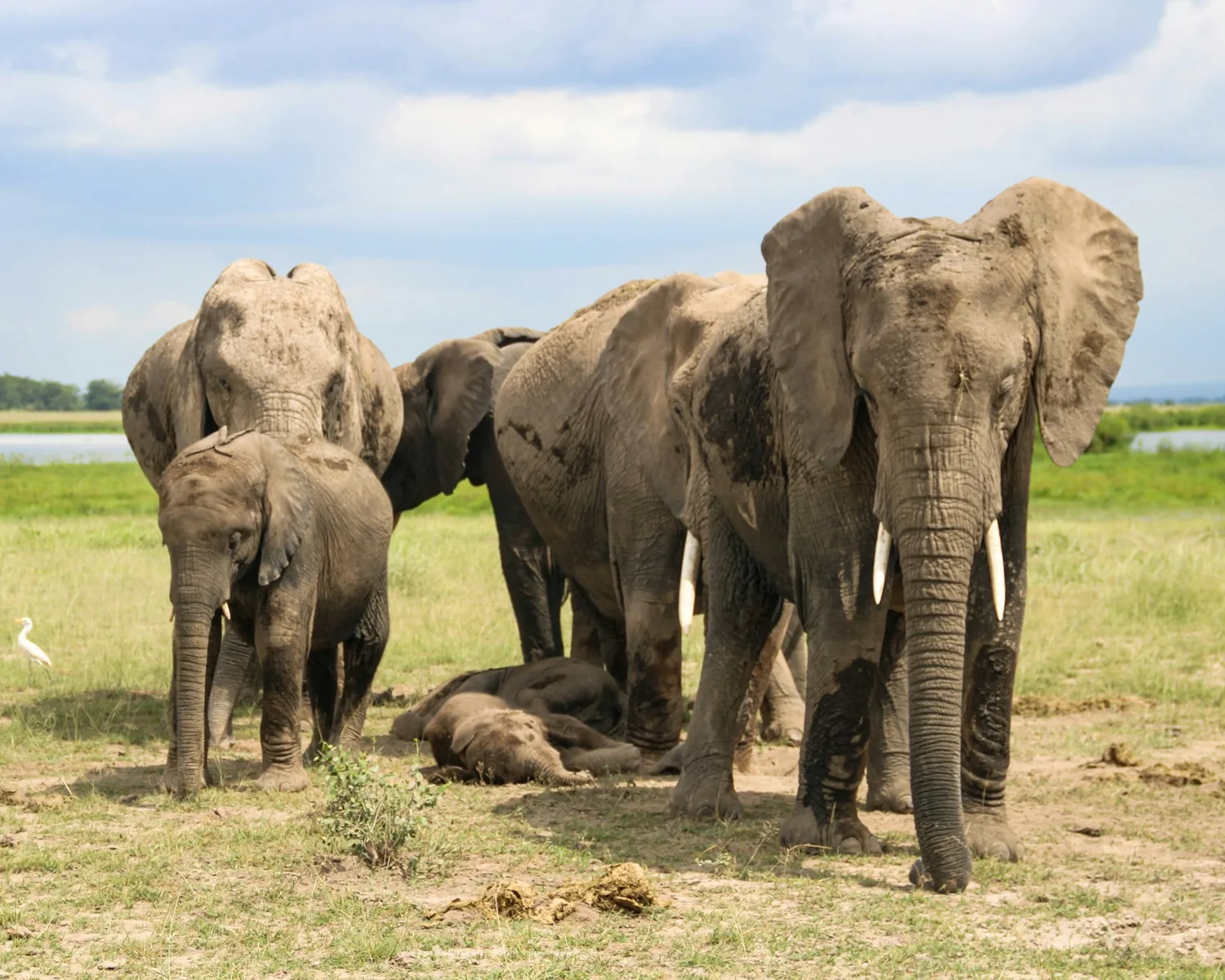
Use this Kenya safari travel guide as the starting map. It covers route design, parks, seasons, road and air access, accommodation, health preparation, packing, money, safety and the coast, with links to deeper guides for each decision.
- How to design a Kenya safari route
- Kenya safari destinations compared
- When to go on safari in Kenya
- Road safaris, bush flights, SGR and transfers
- Safari lodges, tented camps and conservancies
- What a Kenya safari costs
- Entry, health, insurance and safety
- What to pack for a Kenya safari
- Money, tipping and communication
- Wildlife, culture and responsible travel
- Adding a Kenya beach holiday
- Three sample Kenya safari itineraries
- Families, seniors and accessibility
- The final Kenya safari checklist
- Frequently asked questions
How to design a Kenya safari route
Choose the main reason for travelling, then add contrast. A first safari may anchor in the Mara and add Amboseli or the Rift Valley. A repeat visit may focus on Samburu, Laikipia, Meru or Tsavo. A coast holiday combines most naturally with Tsavo by road or the Mara by air.
Keep arrival reality in the plan. Jomo Kenyatta International Airport, Wilson Airport and Nairobi hotels are separate points. A same-day bush flight may be possible, but the international arrival, terminal transfer and check-in margin must support it.
| Trip length | Route principle | Example |
|---|---|---|
| 4 to 5 nights | One core area | Mara or Amboseli |
| 7 nights | Core plus contrast | Mara, Naivasha and Amboseli |
| 10 nights | Three regions or safari and beach | Samburu, Mara and Diani |
| 14 nights | Slower circuit | Northern Kenya, Mara and coast |
Kenya safari destinations compared
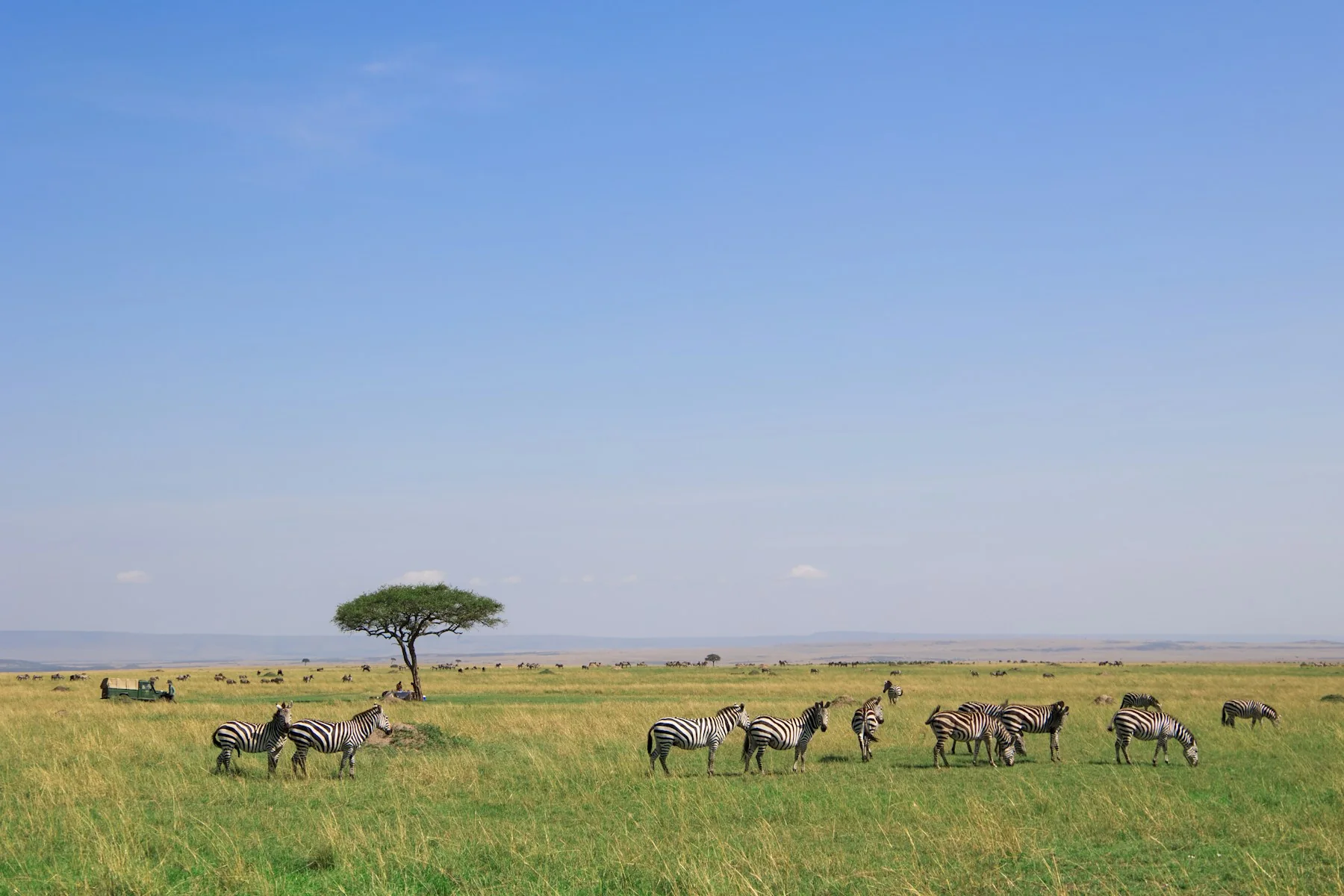
The Masai Mara suits big-cat interest, open plains and migration context. Amboseli is known for elephants, wetlands and mountain views when weather permits. Samburu offers northern species beside the Ewaso Nyiro. Tsavo brings scale, red soil and a coast connection. Nakuru and Ol Pejeta strengthen a rhino-focused route.
Laikipia conservancies add private-land activities and varied conservation models. Meru rewards travellers who value space and a wilder park. The Aberdares change the landscape with forest and moorland. Nairobi National Park can create a real safari close to an airport day, but it should not be treated as a guaranteed quick sighting list.
When to go on safari in Kenya
Dryer periods often make roads easier and wildlife more concentrated, while green seasons bring dramatic skies, new growth, young animals and bird activity. The Mara migration attracts demand from roughly mid-year into the later dry season, but herd location and river crossings remain natural events.
Rain can be local and intermittent. Price, crowd tolerance, photography, coast conditions and the parks in the route all matter. Choose dates for the complete itinerary rather than one famous event.
| Priority | Useful period to explore | Important caveat |
|---|---|---|
| Migration interest | Mid-year into later dry season | No crossing guarantee |
| Green scenery | Rain-linked shoulder periods | Roads can be slower |
| Birding | Resident birds plus migrant season | Habitat matters more than a checklist |
| Lower rates | Selected shoulder and rainy dates | Some camps may close |
Road safaris, bush flights, SGR and transfers
Road safaris give one guide, vehicle continuity and a view of the country between parks. Bush flights save time between distant regions but use small aircraft, soft-bag limits and remote airstrips. SGR is useful between Nairobi and the coast, while the final station transfer still belongs in the plan.
Compare fatigue as well as cost. A long drive can be enjoyable in a seven-day circuit and punishing in a three-night escape. Families, mobility needs and luggage can change the right answer.
Safari lodges, tented camps and conservancies
A lodge often provides solid rooms, pools and family facilities. A permanent tented camp combines canvas with a private bathroom and can range from simple to ultra-luxury. Private houses suit families and friends. Conservancy camps may add walks, night drives and lower vehicle density where rules permit.
Ask whether the property sits inside the park, in a conservancy or beyond a gate. Confirm the room, meals, vehicle policy, airstrip, paths, electricity and child rules. The accommodation is part of the safari system, not a bed chosen after the route.
What a Kenya safari costs
Season, park fees, accommodation, private vehicle, group size and flights drive the total. A solo traveller carries more of the room and vehicle cost. A family may save through room sharing but need a larger room or private vehicle. Conservancies and premium camps add fees and inclusions that must be compared carefully.
Put quotes into one structure: rooms, meals, vehicle, fees, flights, transfers, drinks, laundry, activities, taxes and exclusions. A cheaper total is not better value if it removes a wildlife day or uses a room that does not fit.
| Cost driver | Ask |
|---|---|
| Season | Which rate period applies? |
| Group size | How is vehicle cost shared? |
| Room | Exact occupancy and bathroom? |
| Fees | How many entry days? |
| Flights | Baggage and transfers included? |
| Activities | Included or optional? |
Entry, health, insurance and safety
Use the official Kenya eTA website for entry requirements and apply with the correct travel details. Health advice depends on origin, route and personal history, so consult a qualified travel-health professional. Mosquito avoidance, routine medicines and a plan for fever after travel deserve attention.
Insurance should cover medical care, evacuation, cancellation and the activities in the itinerary. Follow guide instructions around wildlife, use escorts at unfenced camps and keep valuables and documents secure during transfers. NLS can coordinate logistics but does not replace immigration, medical or insurance authorities.
What to pack for a Kenya safari
Bring light neutral layers, a warm early-morning layer, sun protection, comfortable closed shoes, personal medicine and compact binoculars. Dust and repeated wear matter more than fashion. A small torch and power bank are useful, while camps may have charging schedules.
Bush flights often require soft bags and lower limits than international airlines. Keep documents, medicine and essential clothing accessible. For the coast, add reef-safe sun protection and modest clothing for towns and cultural sites.
Money, tipping and communication
Cards and mobile payments are common in cities and many lodges, but remote areas can have weak connections. Carry a modest mix of usable cash without travelling with unnecessary amounts. Confirm which currency and method each final payment requires.
Tipping is discretionary and should reflect service, group size and local guidance. Ask how guide, camp and porter tips are normally handled. Wi-Fi varies, so share the itinerary and emergency contacts with someone at home before departure.
Wildlife, culture and responsible travel
Choose guides who respect distance, road rules and animal behaviour. Do not pressure a driver to block movement or surround a predator. Keep voices low, follow photography rules and avoid geotagging sensitive wildlife.
Community visits need clear local control, consent and payment transparency. Ask before photographing adults or children. Buy beadwork and crafts because you value them, not under pressure. Responsible travel is visible in daily choices, not only a sustainability paragraph.
Adding a Kenya beach holiday
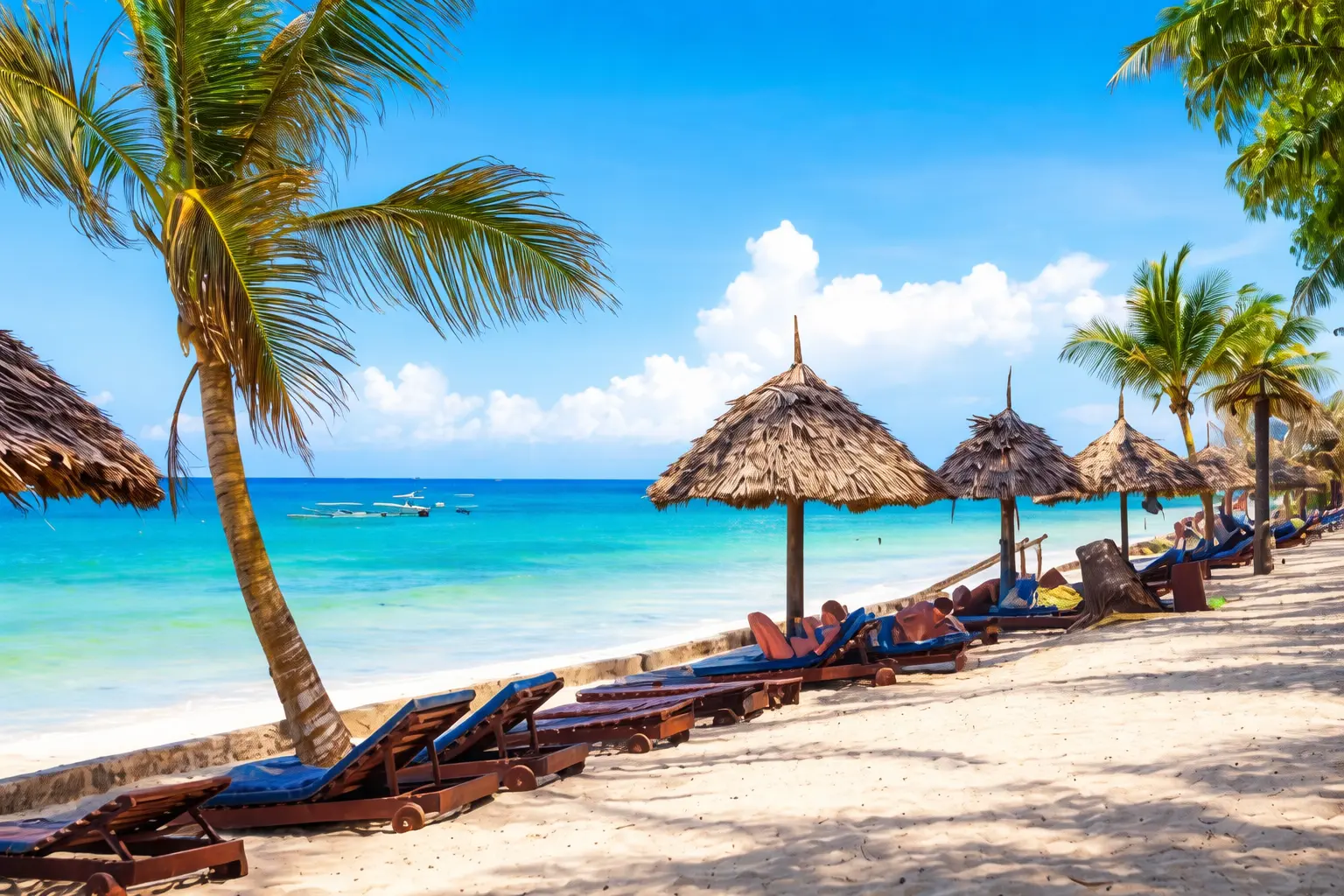
Diani offers a long resort strip and Ukunda Airport. Mombasa and the North Coast pair naturally with Tsavo. Watamu adds marine and creek experiences, while Lamu brings Swahili history, dhow travel and a slower island atmosphere.
Allow enough nights for the transfer to be worthwhile. Four beach nights give three usable days. Check monsoon, tide, marine conditions and baggage for the specific dates and activities.
Three sample Kenya safari itineraries
Seven nights can cover Amboseli, Naivasha or Nakuru and the Mara with a private road vehicle. Ten nights can bring Samburu or Laikipia before the Mara. Twelve to fourteen nights can add the coast without reducing either half to a transfer exercise.
Repeat visitors might centre Meru, Tsavo, the Aberdares or a conservation-focused Laikipia stay. The route should not imitate a first-time circuit when the traveller wants solitude, birds, walking or a specific landscape.
| Nights | Example | Character |
|---|---|---|
| 7 | Amboseli, Rift Valley and Mara | Classic first safari |
| 10 | Samburu or Laikipia plus Mara | Northern contrast |
| 12 to 14 | Safari plus Diani or Watamu | Bush and beach |
| 7 to 10 repeat visit | Meru, Laikipia or Tsavo focus | Slower and less familiar |
Families, seniors and accessibility
Children need room, food, sleep and drive plans that fit their age. Seniors may prefer fewer hotel changes and flights over rough road sections. Travellers with limited mobility need vehicle steps, bathroom layout, paths and aircraft assistance confirmed by each supplier.
A private vehicle is often the most useful upgrade because it controls return time and seating. Accessibility is property-specific, so broad labels should never replace measurements and written confirmation.
The final Kenya safari checklist
Confirm names, dates, properties, rooms, meals, vehicle, fees, flights, baggage, transfers, activities, exclusions, payment schedule and cancellation. Check passport spelling against tickets and eTA details.
Keep the operating contact, insurance and first-night address offline. Once the paperwork is clear, the traveller can stop managing the trip and begin looking forward to it.
What travellers say after planning and travelling
These are short exact excerpts from public discussions. Each trip had different dates, expectations and costs, so the useful part is the practical detail, not treating one experience as a promise.
Most of our accommodations in Kenya’s wildlife reserves were run by Serena Hotels
A traveller describing the lodge style used across a recent Kenya itinerary.
all the parks are slightly different
A traveller explaining why a Kenya route can feel varied rather than repetitive.
you’d rather take your time to research itinerary and plan transfers
Advice shared with a first-time solo safari planner.
Kenya safari planning questions
How many days do I need for a Kenya safari?
Seven nights supports a balanced first route. Shorter trips should focus on one or two connected areas.
What is the best park for a first safari?
The Mara is a strong core choice, but Amboseli, Samburu and other parks may fit specific priorities better.
Do I need an eTA?
Check and apply through the official Kenya eTA website because requirements can change.
Are bush flights worth it?
They save time on distant routes, especially short luxury trips and safari-to-coast combinations.
Is Kenya suitable for children?
Yes, with age-appropriate camps, rooms, health preparation, a flexible vehicle and realistic drive length.
Can I combine safari and beach?
Yes. Match the safari region to Diani, Mombasa, Watamu or Lamu using a sensible road or flight connection.
Sources and further reading
Plan the safari so the wild moments have room to happen
A calm route, good guide and honest expectations create more than a crowded checklist ever can.
Plan your Kenya safari
Share dates, travellers, safari priorities, comfort and any beach extension.